
Renal Transporters and the Urate Burden: Beyond Purine Intake
Published April 2026
Approximately 90% of hyperuricemia cases are caused by underexcretion rather than overproduction, yet dietary purine restriction remains the standard clinical recommendation. The key to managing uric acid lies in the renal proximal tubule, specifically the URAT1 and SLC2A9 transporters that govern urate reabsorption. This investigative piece explores how insulin, lead exposure, and genetics dictate your body's ability to clear this metabolic waste.
Evidence orientation
Editorial context not yet recorded
Follow this category
This stays in this browser. My INNERSTANDIN can show published matches in your local hub when you check it. It does not send email, push, or alert notifications.
Local learning review
A private browser aid for revisiting ideas. It is not an alert or a health recommendation.
Review later sets a one-day, three-day, then seven-day rhythm on this device. Choose it only when you want to revisit this article.
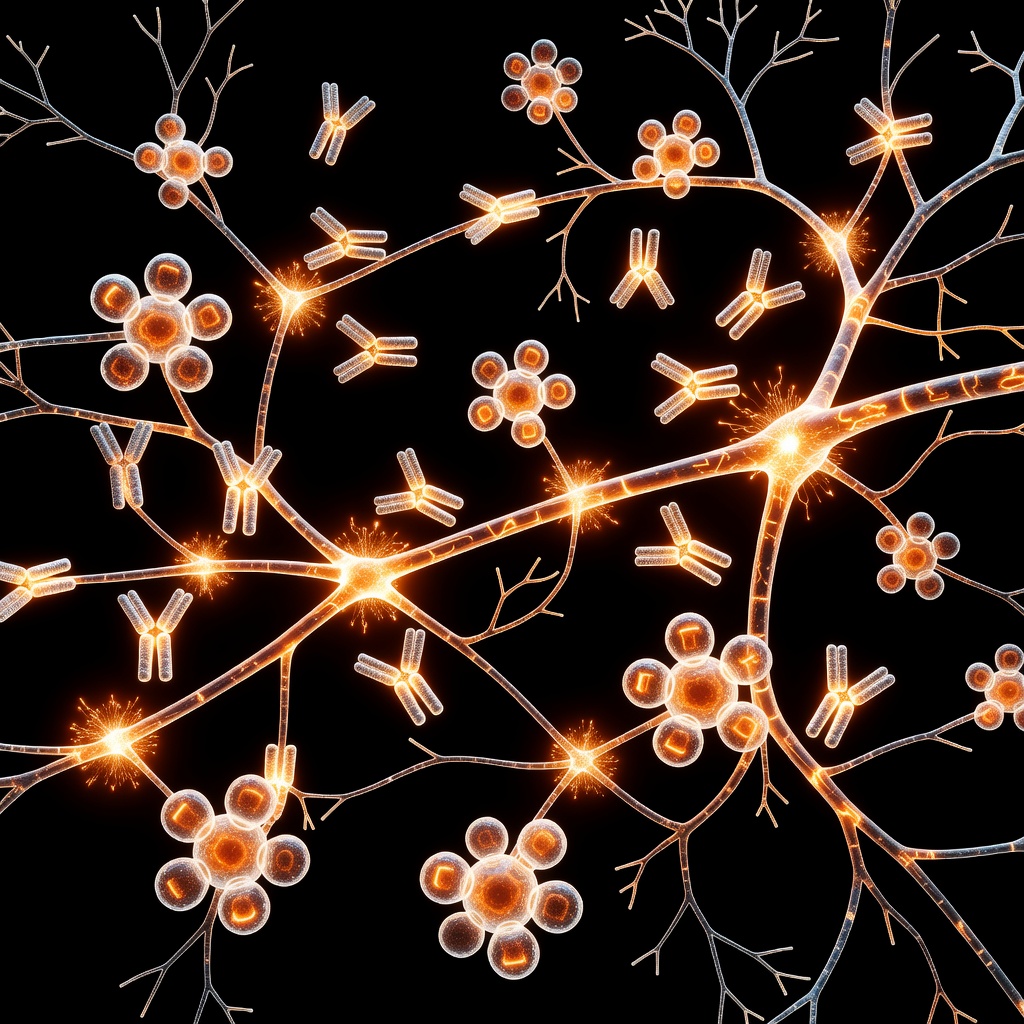
The kidney is the primary regulator of serum uric acid, responsible for approximately 70% of its excretion. However, the renal handling of urate is an incredibly complex process involving filtration, reabsorption, and secretion. Most clinical approaches fail to distinguish between 'over-producers' and 'underexcretors.' In reality, the vast majority of individuals with high uric acid are underexcretors. This failure to clear urate is governed by molecular pumps in the proximal tubule. The URAT1 (SLC22A12) and SLC2A9 transporters are the gatekeepers; they determine how much uric acid is pulled back from the urine into the bloodstream.
One of the most significant factors influencing these transporters is insulin. High circulating insulin levels—common in our carbohydrate-heavy environment—stimulate URAT1, causing the kidneys to aggressively reabsorb uric acid. This is why hyperuricemia is so frequently paired with insulin resistance. Furthermore, environmental toxins such as low-level lead exposure can impair renal urate clearance long before traditional kidney function markers like creatinine show any abnormality. Conventional medicine often overlooks these environmental and hormonal influences, focusing instead on a list of 'forbidden' high-purine foods that often provide essential nutrients like zinc and B12.
Investigating the gut-kidney axis also reveals that the remaining 30% of urate excretion occurs via the intestines, mediated by the ABCG2 transporter. If the gut microbiome is in dysbiosis or the intestinal barrier is compromised, this secondary clearance pathway fails, placing an even greater burden on the kidneys. Practical takeaways for optimizing urate clearance involve improving insulin sensitivity through time-restricted feeding and specific movement, as well as supporting renal blood flow. Supplementation with citrate can help alkalize the urine, making uric acid more soluble and easier to excrete, thereby reducing the risk of both kidney stones and systemic accumulation. By shifting the focus from 'what we eat' to 'how we excrete,' we can more effectively manage the biological purine load.
This article is provided for informational and educational purposes only. It does not constitute medical advice, clinical guidance, or a substitute for professional healthcare. Information reflects cited research at time of publication. Always consult a qualified healthcare professional before acting on any health information.
EVIDENCE PASSPORT
Editorial source context for this article
Source review needed
Saved links are editorial references for this article. They may support specific claims rather than every sentence. Open and assess each source in context. This passport does not independently verify them.
Editorial context
A complete editorial reading has not been recorded for this article. Source links remain available for you to open and assess directly.
Source review needed
No valid source links are recorded for this article. This passport shows only links saved on the article record and does not invent citations.
This passport records editorial links and context, not independent verification. Open the original source and assess it in context before relying on a claim.
Medical Disclaimer
The information in this article is for educational purposes only and does not constitute medical advice, diagnosis, or treatment. Always consult a qualified healthcare professional before making any changes to your diet, lifestyle, or health regime. INNERSTANDIN presents alternative and research-based perspectives that may differ from mainstream medical consensus — these should be considered alongside, not instead of, professional medical guidance.
Read Full DisclaimerContinue the thread
Keep this question moving.
Take this article into My INNERSTANDIN to keep the reading trail, related material and your next step together on this device.
Explore this in the Body Map
See where this hits your biology. Interactive anatomy, threats, and protective protocols.
Dig deeper in the Library
Free, longform PDF volumes that go beyond headlines into mechanisms and references.