
SIBO: The Hidden Architect of Intestinal Permeability
An in-depth exploration of how Small Intestinal Bacterial Overgrowth (SIBO) serves as a primary driver of increased intestinal permeability (Leaky Gut), examining the biochemical mechanisms, the role of endotoxins, and the pathway to restorative healing.
# SIBO: The Hidden Architect of Intestinal Permeability\n\nIn the evolving landscape of functional medicine and nutritional therapy in the UK, the term 'Leaky Gut' has transitioned from a fringe concept to a well-recognised clinical reality. Formally known as increased intestinal permeability, this condition is characterised by the breakdown of the tight junctions that govern what enters our bloodstream from the digestive tract. While many factors can compromise this barrier—including stress, ultra-processed diets, and certain medications—Small Intestinal Bacterial Overgrowth (SIBO) is increasingly identified as one of the most potent primary drivers of this dysfunction. At INNERSTANDING, we focus on root-cause resolution; understanding the SIBO-permeability axis is essential for anyone looking to reclaim their systemic health.\n\n## The Small Intestine: A Delicate Frontier\n\nTo understand why SIBO is so damaging, we must first appreciate the unique anatomy of the small intestine. Unlike the large intestine (colon), which is densely populated with trillions of bacteria designed to ferment fibrous matter, the small intestine is built for absorption.
It features a thinner mucus layer and a vast surface area comprised of villi and microvilli. This 'brush border' is where the final stages of digestion occur and where nutrients enter the body. Because the small intestine is so focused on absorption, its barrier is inherently more vulnerable than that of the colon. When bacteria from the large intestine migrate upwards or when indigenous bacteria proliferate excessively, they find themselves in an environment not designed to manage such a microbial load.\n\n## Mechanism 1: Direct Damage to the Brush Border\n\nThe presence of excessive bacteria in the small intestine leads to direct physical and enzymatic damage to the enterocytes (gut cells). Bacteria such as *Escherichia coli* and *Klebsiella* species can produce metabolites that erode the delicate glycocalyx—a glycoprotein layer that protects the microvilli.
As this layer thins, the underlying tight junction proteins, such as occludin and zonulin, become exposed and vulnerable. This direct microbial assault initiates the 'leaking' process, allowing undigested food particles and microbial byproducts to slip between cells rather than being properly processed through them.\n\n## Mechanism 2: The Endotoxin Assault (LPS)\n\nPerhaps the most significant way SIBO drives permeability is through the production of Lipopolysaccharides (LPS). LPS are endotoxins found in the outer membrane of Gram-negative bacteria. When SIBO is present, the sheer volume of LPS produced in the small intestine is staggering. These endotoxins are highly pro-inflammatory.
When they come into contact with the intestinal lining, they trigger an immune response that activates the release of pro-inflammatory cytokines like TNF-alpha and Interleukin-6. These cytokines act as signals to the 'gates' of the gut, causing them to remain in an open position. Once the barrier is breached, LPS can enter the systemic circulation, a state known as metabolic endotoxaemia, which fuels chronic inflammation throughout the body.\n\n## Mechanism 3: Bile Acid Deconjugation\n\nBacteria in a SIBO state often interfere with the body's digestive secretions, specifically bile acids. Bile is essential for the emulsification and absorption of fats. However, certain bacteria can 'deconjugate' these bile acids, rendering them ineffective and, worse, toxic to the intestinal lining.
Deconjugated bile acids are caustic to the mucosa of the small intestine. This chemical irritation further inflames the lining and contributes to the degradation of the epithelial barrier, ensuring that the 'leaky' state persists as long as the bacterial overgrowth remains unaddressed.\n\n## The Nutrient Theft Cycle\n\nIntestinal permeability is not just about what 'leaks in'; it is also about what fails to get in. SIBO bacteria are notorious for consuming nutrients before the host can absorb them. They have a particular affinity for Vitamin B12, Iron, and Magnesium. These nutrients are critical for the constant regeneration of the intestinal lining.
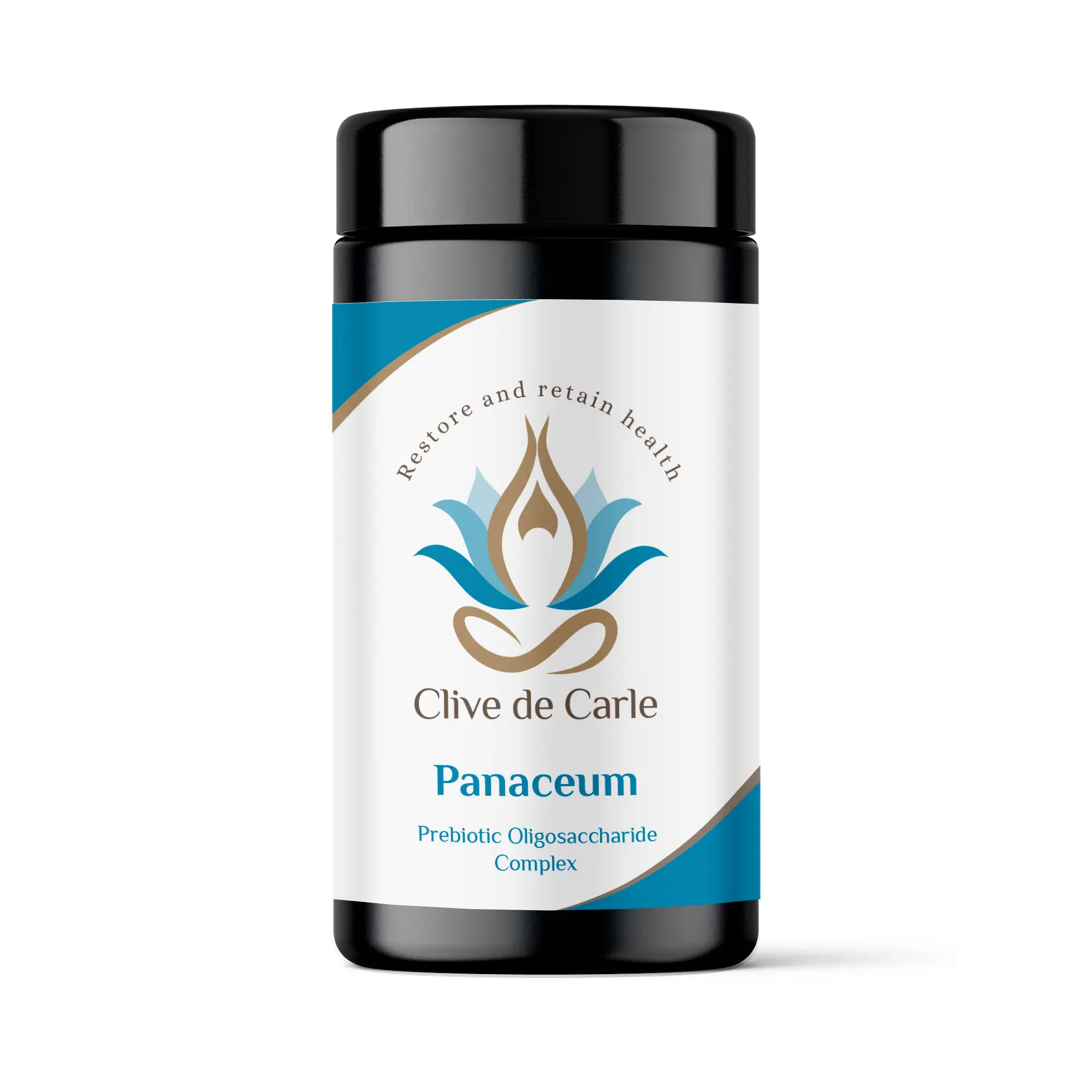
Panaceum – Prebiotic Oligosaccharide Complex
Panaceum is a specialist eight-oligosaccharide blend designed to restore the microbial diversity missing from the modern Western diet. By providing the complex fibres our ancestors once consumed, it feeds and sustains a resilient gut microbiome for long-term health.
Vetting Notes
Pending
The gut lining replaces itself roughly every three to five days, a process that is highly energy and nutrient-dependent. By sequestering these vital resources, SIBO prevents the host from repairing the damage to the gut barrier, creating a vicious cycle where the gut cannot heal because the bacteria are stealing the 'bricks and mortar' required for the job.\n\n## The Zonulin Connection\n\nModern research has highlighted the role of zonulin, a protein that modulates the permeability of tight junctions. SIBO acts as a potent trigger for zonulin release. When the small intestine is colonised by excessive bacteria, the body perceives a threat and releases zonulin to 'flush' the area, effectively opening the gates to allow water and immune cells into the lumen. While this is a protective mechanism in an acute infection, in the chronic state of SIBO, it leads to a permanent state of increased permeability, allowing environmental triggers to reach the immune system located just beneath the gut lining.\n\n## Moving Beyond Symptoms: Root-Cause Resolution\n\nAddressing SIBO-driven permeability requires a multi-phased approach that goes beyond simply taking probiotics.
In fact, many standard probiotics can exacerbate SIBO symptoms if introduced at the wrong time. The INNERSTANDING approach involves:\n\n1. Identification: Utilizing hydrogen and methane breath testing to confirm the presence and type of SIBO.\n2. Eradication: Employing targeted antimicrobials (such as Allicin, Berberine, or Neem) to reduce the bacterial load in the small intestine.\n3. Motility Support: Addressing the Migrating Motor Complex (MMC)—the 'inter-digestive housekeeper' that sweeps bacteria out of the small intestine—to prevent recurrence.\n4. Barrier Repair: Once the microbial pressure is reduced, introducing nutrients like L-glutamine, Zinc Carnosine, and Collagen to seal the tight junctions.\n5. Dietary Modulation: Temporarily reducing fermentable carbohydrates (FODMAPs) to starve the overgrowth while the lining heals.\n\n## Conclusion\n\nSIBO and increased intestinal permeability are inextricably linked. You cannot truly fix a 'leaky gut' if the small intestine is under a constant state of microbial siege. By identifying SIBO as the primary driver, we can move away from superficial 'gut healing' protocols and toward a strategy that addresses the biochemical and ecological reality of the digestive system. In the UK, as we see a rise in autoimmune and inflammatory conditions, the mastery of the SIBO-permeability connection remains one of the most powerful tools in our clinical arsenal for restoring long-term health and vitality.
This article is provided for informational and educational purposes only. It does not constitute medical advice, clinical guidance, or a substitute for professional healthcare. Information reflects cited research at time of publication. Always consult a qualified healthcare professional before acting on any health information.
RESEARCH FOUNDATIONS
Biological Credibility Archive
Citations provided for educational reference. Verify via PubMed or institutional databases.
Medical Disclaimer
The information in this article is for educational purposes only and does not constitute medical advice, diagnosis, or treatment. Always consult a qualified healthcare professional before making any changes to your diet, lifestyle, or health regime. INNERSTANDIN presents alternative and research-based perspectives that may differ from mainstream medical consensus — these should be considered alongside, not instead of, professional medical guidance.
Read Full DisclaimerReady to learn more?
Continue your journey through our classified biological research.
THE ARSENAL
Based on Leaky Gut & Intestinal Permeability — products curated by our research team for educational relevance and biological support.
Panaceum – Prebiotic Oligosaccharide Complex
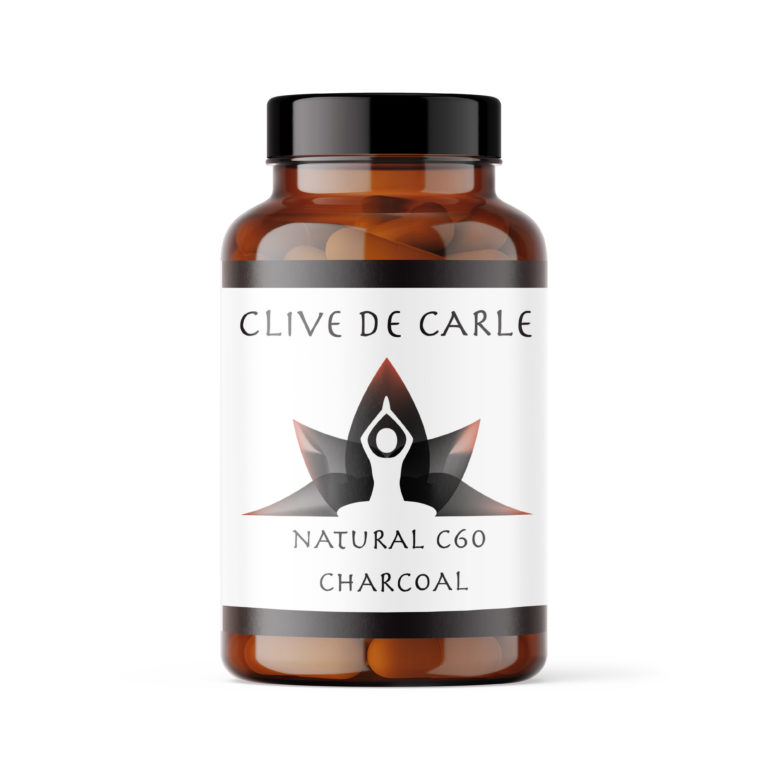
C60 Charcoal – Supports Healthy Digestion and Detoxification.
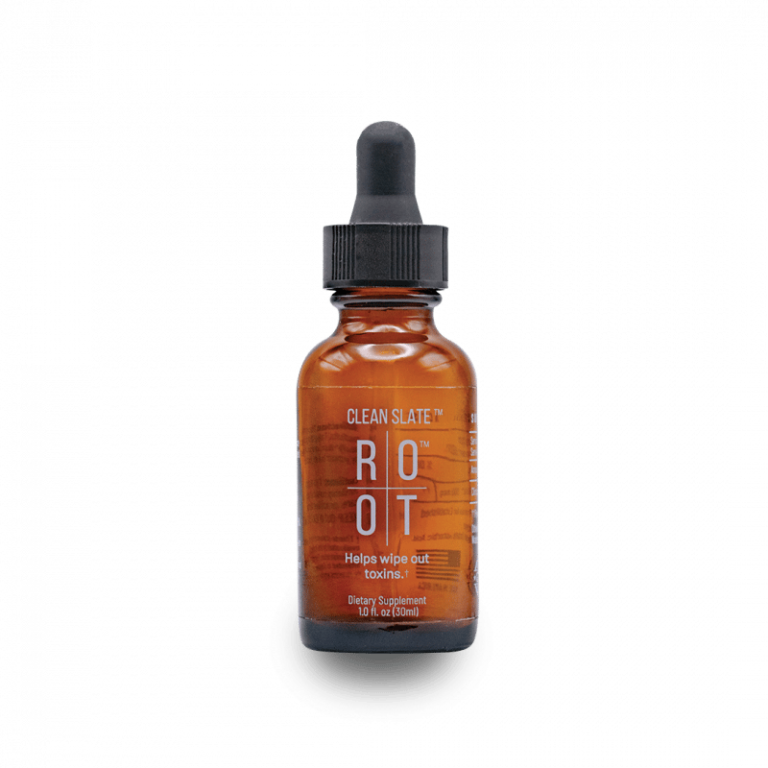
Clean Slate – Detoxes thousands of chemicals,heavy metals, pesticides, allergens, mold spores and fungus
INNERSTANDING may earn a commission on purchases made through these links. All products are selected based on rigorous educational relevance to our biological research.
RABBIT HOLE
Follow the biological thread deeper

