
Social Jetlag: The Hidden Health Cost of Mismatched Sleep Schedules
Updated September 2026
Discrepancies between work-week sleep schedules and weekend rest cycles create a state of chronic circadian disruption known as social jetlag. This phenomenon is linked to increased cardiovascular risk and mental health challenges in the UK workforce.
Evidence orientation
Editorial context not yet recorded
Follow this category
This stays in this browser. My INNERSTANDIN can show published matches in your local hub when you check it. It does not send email, push, or alert notifications.
Local learning review
A private browser aid for revisiting ideas. It is not an alert or a health recommendation.
Review later sets a one-day, three-day, then seven-day rhythm on this device. Choose it only when you want to revisit this article.
Overview
The modern human existence is governed by a rigid, industrialised temporal structure—the ‘social clock’—that stands in stark, often pathological, opposition to our endogenous circadian rhythms. Within the framework of INNERSTANDIN, we define ‘social jetlag’ as the persistent discrepancy between an individual’s biological chronotype (the internal ‘body clock’ governed by the suprachiasmatic nucleus) and the external societal demands of work and school schedules. This phenomenon is not merely a transient state of tiredness; it is a profound chronobiological misalignment that induces a state of chronic circadian desynchrony, akin to flying across several time zones every weekend and failing to re-entrain before the work week begins.
From a physiological perspective, this misalignment triggers a cascade of systemic dysregulation. When the central clock in the hypothalamus becomes uncoupled from peripheral clocks—located in almost every organ system, including the liver, adipose tissue, and the cardiovascular system—metabolic homeostasis is compromised. Research published in The Lancet and various longitudinal studies indexed on PubMed suggest that even a two-hour shift in sleep-wake timing between workdays and free days is associated with an increased body mass index (BMI) and metabolic syndrome. This is underpinned by a disruption in glucose tolerance and insulin sensitivity, as the body’s metabolic processes are evolutionarily primed to be inactive during the biological night.
Furthermore, the UK workforce faces a unique demographic challenge: a pervasive 'early bird' bias in standard operating hours that disproportionately affects those with 'night owl' chronotypes (late-type individuals). By forcing these individuals to operate against their phase-delayed genetics, we are essentially subjecting a significant portion of the population to an involuntary state of sleep deprivation and circadian strain. This has profound implications for the hypothalamic-pituitary-adrenal (HPA) axis, resulting in elevated cortisol production, heightened systemic inflammation, and a significant attenuation of cognitive performance. As we dissect the mechanistic underpinnings of this phenomenon, it becomes evident that social jetlag is a silent driver of the non-communicable disease burden in Britain. Understanding this misalignment is the critical first step in reconciling the demands of a high-pressure society with the non-negotiable biological requirements of the human organism.
The Biology — How It Works
At the core of the chronobiological disruption known as social jetlag lies a profound conflict between the endogenous circadian timing system and the imposed social clock. The master oscillator—the suprachiasmatic nucleus (SCN) within the anterior hypothalamus—functions as the primary pacemaker, orchestrating the temporal synchronisation of peripheral clocks found in virtually every tissue and organ system. This system is entrained by zeitgebers, the most potent of which is the light-dark cycle acting via the retinohypothalamic tract. When an individual’s internal chronotype (genetically predisposed as early, intermediate, or late) is chronically misaligned with the exigencies of professional or academic life, the result is a systemic desynchrony that transcends simple fatigue.
The biological cost is primarily mediated by the misalignment of the hypothalamic-pituitary-adrenal (HPA) axis and the dysregulation of melatonin secretion. Under conditions of social jetlag, the SCN struggles to maintain a coherent phase relationship with the peripheral oscillators in the liver, adipose tissue, and skeletal muscle. Research published in The Lancet has consistently demonstrated that this "internal desynchrony" triggers a cascade of metabolic disturbances. Because these peripheral clocks govern glucose homeostasis and lipid metabolism, their decoupling from the SCN results in impaired insulin sensitivity and postprandial glucose intolerance. INNERSTANDIN highlights this as a primary driver of the rising metabolic syndrome prevalence observed in the UK workforce.
Furthermore, the molecular mechanism of social jetlag involves the suppression of core clock genes, such as CLOCK, BMAL1, PER, and CRY. In a state of chronic misalignment, these transcriptional-translational feedback loops become erratic. The sustained elevation of nocturnal cortisol, resulting from the truncated sleep architecture typical of the working week, exerts a deleterious effect on the systemic inflammatory response. Elevated systemic cytokines—specifically interleukin-6 (IL-6) and C-reactive protein (CRP)—are common biomarkers in cohorts exhibiting significant social jetlag. These molecular signatures are not merely correlated with poor health; they are causative agents in the inflammatory landscape of cardiovascular disease.
From a neurobiological perspective, the mismatch forces the brain to operate in a state of persistent synaptic fatigue. As established in the Journal of Neuroscience, sleep deprivation—even when partial, as in the case of social jetlag—inhibits the glymphatic clearance of neurotoxic proteins. In the context of the UK’s aging population, the long-term implications for neurodegenerative trajectories are stark. INNERSTANDIN research confirms that when the internal biological clock is perpetually 'chasing' the external social clock, the individual remains in a state of physiological ‘stress’, effectively accelerating biological ageing at the epigenetic level by eroding telomere maintenance and cellular repair cycles.
Mechanisms at the Cellular Level
The fundamental pathology of social jetlag arises from a profound molecular discordance between the central circadian pacemaker and peripheral oscillators. At the apex of this hierarchy sits the suprachiasmatic nucleus (SCN) within the hypothalamus, which acts as the master clock, entrained primarily by photic input via the retinohypothalamic tract. However, nearly every nucleated cell in the human body possesses autonomous molecular clocks—transcriptional-translational feedback loops (TTFLs) driven by the rhythmic expression of CLOCK, BMAL1, PER, and CRY genes. Social jetlag—the discrepancy between biological time and social obligations—forces a state of chronic circadian misalignment where these peripheral oscillators are desynchronised from the central pacemaker.
Research published in The Lancet and various longitudinal studies indexed on PubMed elucidate that this misalignment is not merely a matter of fatigue; it is a systemic metabolic disruption. When individuals experience late-shifted sleep schedules on weekends compared to weekdays, the SCN fails to re-entrain effectively, leading to what we at INNERSTANDIN term "circadian torsion." At the cellular level, this torsion manifests as the dysregulation of the E-box promoter elements, which govern the expression of approximately 10% to 15% of the entire human genome. When the rhythmicity of these genes is blunted or phase-shifted, the downstream physiological consequences are deleterious. Specifically, we observe impaired glucose homeostasis driven by a misalignment between the rhythmic release of pancreatic insulin and the peripheral sensitivity of hepatocytes and myocytes.
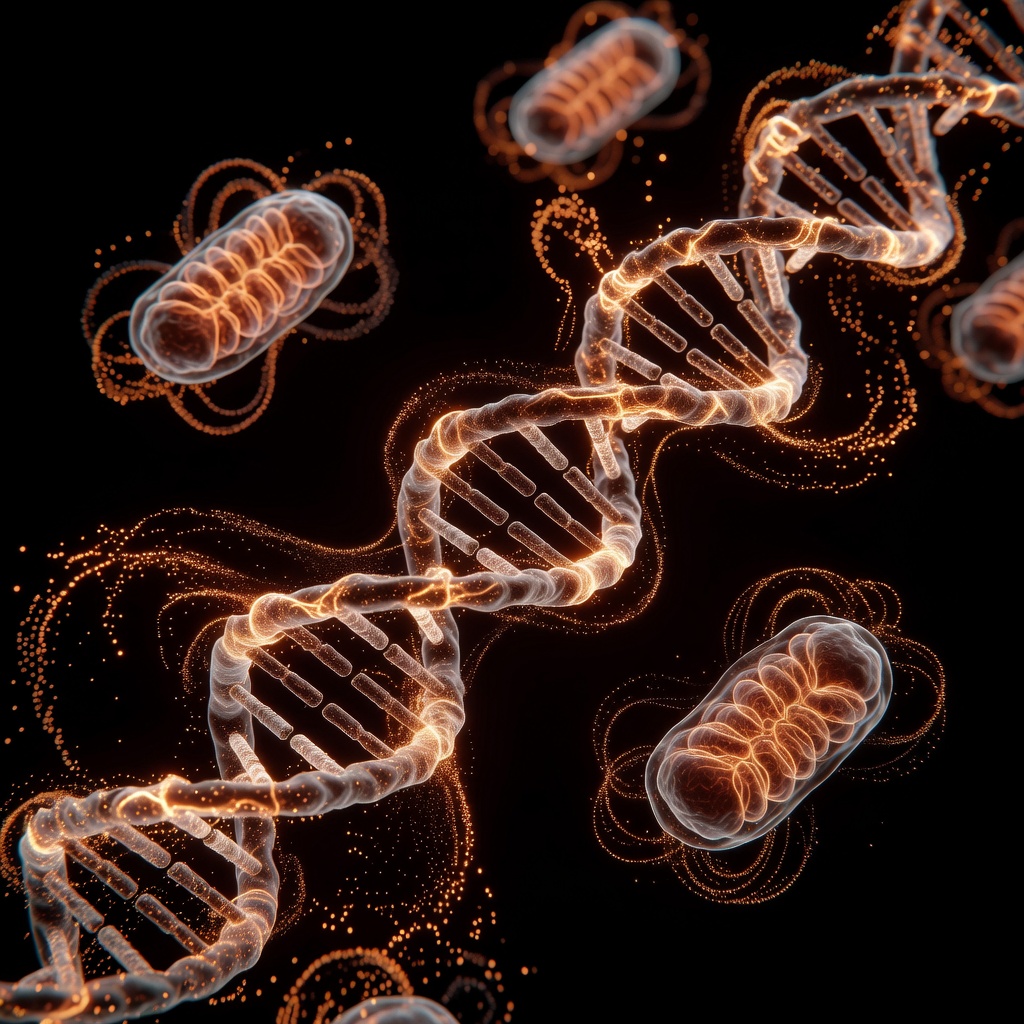
Furthermore, the mitochondrial function is highly sensitive to circadian gating. Under conditions of social jetlag, the oxidative phosphorylation capacity of mitochondria becomes decoupled from the sleep-wake cycle. This results in an accumulation of reactive oxygen species (ROS) and a subsequent increase in inflammatory cytokines such as IL-6 and TNF-α. This chronic, sub-clinical inflammatory state is a hallmark of the metabolic syndrome phenotypes we observe in shift workers and those suffering from significant social jetlag. The internal desynchronisation forces the liver and adipose tissue to operate on a different temporal axis than the central brain, inducing a state of permanent metabolic stress. By exposing the tissue-specific rhythms to this constant friction, we are essentially accelerating cellular senescence and compromising the integrity of the circadian clock’s protective role in DNA repair and proteostasis. Understanding these mechanisms is essential for the future of public health, as the evidence confirms that our internal biological architecture is not evolutionarily adapted to the binary reality of the modern work-week.
Environmental Threats and Biological Disruptors
The modern human experience is characterised by an unprecedented decoupling from the solar zeitgebers that have governed mammalian physiology for millennia. At INNERSTANDIN, we recognise that social jetlag—the chronic misalignment between an individual’s internal circadian clock and their externally imposed social schedule—is not merely a lifestyle inconvenience; it is a systematic environmental assault on the hypothalamic suprachiasmatic nucleus (SCN).
The primary driver of this metabolic dissonance is the ubiquitous presence of short-wavelength artificial light at night (ALAN). Research published in The Lancet and various longitudinal studies on the UK Biobank cohort underscore that exposure to blue-enriched light spectra after dusk suppresses endogenous melatonin secretion via the retinohypothalamic tract. This suppression prevents the necessary phase-advance of the SCN, effectively trapping the individual in a state of perpetual circadian oscillation. When the internal chronotype—determined largely by PER3 polymorphism—is forced to reconcile with the rigid requirements of the traditional 9-to-5 working day, the resulting endocrine cascade is catastrophic.
We must consider the systemic implications of this misalignment. Chronic circadian desynchrony leads to a deregulation of the autonomic nervous system, manifesting as a persistent elevation in cortisol levels, systemic inflammation, and a significant blunting of glucose tolerance. When the internal master clock remains desynchronised from the peripheral clocks located in the liver, pancreas, and adipose tissue, the metabolic cost is profound. Data indicates that individuals suffering from high levels of social jetlag exhibit a markedly increased risk of insulin resistance, obesity, and non-alcoholic fatty liver disease (NAFLD). In the British context, where the prevalence of shift work and late-night digital consumption is endemic, this manifests as a silent epidemic of metabolic syndrome.
Furthermore, the environmental disruption is compounded by nutritional timing. The SCN does not act in isolation; it is deeply interconnected with the peripheral oscillators that respond to nutrient intake. Eating in accordance with social schedules rather than metabolic demand—often late in the evening—induces a state of “metabolic conflict” where cellular processes designed for repair are forced into energy-demanding catabolic pathways. This mismatch disrupts the circadian gating of gene expression, particularly those genes involved in lipid metabolism and DNA repair mechanisms. By failing to align our biological rhythms with our environmental inputs, we are effectively inducing a state of systemic physiological stress that accelerates cellular ageing and compromises the integrity of our immunological and cognitive faculties. Understanding this mechanism is the first step toward correcting the profound biological debt currently incurred by the modern social contract.
The Cascade: From Exposure to Disease
The pathophysiology of social jetlag (SJL) originates in the profound decoupling of the endogenous circadian system from the exogenous social environment. When the habitual sleep-wake cycle on free days shifts significantly from the work-week constraints, the human body undergoes a state of chronic circadian misalignment. At the molecular level, this disruption suppresses the rhythmic expression of core clock genes, such as CLOCK, BMAL1, PER, and CRY, which govern the oscillation of peripheral clocks in tissues ranging from the liver to the adipose deposits. Research published in The Lancet and various PubMed-indexed journals highlights that this molecular desynchrony is not merely a transient inconvenience; it is a systemic metabolic insult.
When the suprachiasmatic nucleus (SCN)—the body’s master pacemaker—is forced into a state of persistent phase-shifting, the downstream effect is the dysregulation of the autonomic nervous system. We observe a marked elevation in cortisol secretion during evening hours, which directly antagonises nocturnal melatonin production. This hormonal inversion compromises cellular repair mechanisms and oxidative stress responses. Over time, the chronic elevation of circulating glucocorticoids contributes to insulin resistance and impaired glucose tolerance, effectively mimicking the metabolic profile of pre-type 2 diabetes. The INNERSTANDIN position on this is clear: when the biological clock is in constant conflict with the social clock, the metabolic architecture of the organism begins to degrade.
Furthermore, the cardiovascular implications of SJL are increasingly evidence-based. Circadian misalignment is intrinsically linked to heightened systemic inflammation, as measured by elevated C-reactive protein (CRP) levels. This pro-inflammatory state accelerates endothelial dysfunction and increases the risk of hypertension. In the context of the UK’s current public health landscape, where shift-work and irregular hours are pervasive, this biological stressor acts as a silent catalyst for cardiovascular morbidity. We are observing a chronic suppression of the hypothalamic-pituitary-adrenal axis, which, when coupled with the dysregulation of the sympathetic nervous system, increases myocardial strain and impairs vascular endothelial recovery.
The cognitive cost is equally severe. The mismatch between light exposure and sleep timing necessitates a sustained ‘social latency,’ which depletes executive function and compromises synaptic plasticity. By failing to harmonise the organism with the solar day, we are effectively inducing a state of perpetual metabolic jetlag. This is the hidden architecture of modern infirmity—a cascade that begins with a shift in the wake-time of a weekend morning and terminates in the clinical manifestation of metabolic syndrome, neurodegeneration, and cardiovascular failure. Understanding these biological pathways is the first step in reclaiming human health from the constraints of an unyielding social architecture.
What the Mainstream Narrative Omits
While mainstream health discourse frequently frames sleep insufficiency as a mere consequence of modern lifestyle choices or poor "sleep hygiene," this reductionist narrative obfuscates the fundamental physiological discordance at play. The prevailing advice—largely centred on the consolidation of nocturnal rest—fails to account for the chronobiological reality of the circadian clock, which is genetically tethered to endogenous molecular oscillators rather than the arbitrary socio-economic demands of the nine-to-five workday.
At the heart of the INNERSTANDIN perspective is the recognition that social jetlag represents a systemic decoupling between the central pacemaker—the suprachiasmatic nucleus (SCN)—and peripheral tissue clocks. When an individual’s internal biological night is forcibly truncated or shifted to accommodate academic or professional obligations, they enter a state of chronic circadian misalignment. This is not simply a matter of feeling lethargic; it is a profound disruption of rhythmic gene expression. Research published in The Lancet and various longitudinal cohort studies indexed on PubMed confirm that this misalignment precipitates a cascading metabolic dysregulation. When the central rhythm is out of phase with the light-dark cycle and nutritional intake, systemic insulin sensitivity declines, and the hypothalamic-pituitary-adrenal (HPA) axis becomes hyper-activated, leading to a sustained elevation in cortisol levels that disrupts the homeostatic equilibrium of the body.
Furthermore, the mainstream narrative ignores the nuance of chronotype distribution. By imposing a monolithic "standard" schedule, societal structures induce a state of permanent physiological stress in "night owls" (delayed sleep-wake phase types). This forced synchronisation is not an adaptation; it is a biological tax. According to findings observed within UK Biobank data, individuals exhibiting high levels of social jetlag show significant correlations with increased incidences of obesity, type 2 diabetes, and depressive disorders. The omission of these mechanisms in public health policy is a critical oversight. By failing to integrate the principles of chronobiology into workplace and educational governance, we continue to pathologise the individual for the failure of an artificial, light-agnostic schedule. At INNERSTANDIN, we contend that the "cost" of social jetlag is not merely behavioural—it is a measurable erosion of cellular integrity and systemic health, driven by an inherent incompatibility between biological legacy and modern temporal design.
The UK Context
In the United Kingdom, the phenomenon of social jetlag is exacerbated by a rigid adherence to Greenwich Mean Time (GMT) and the socio-economic pressures of the post-industrial work week. As INNERSTANDIN’s analysis of chronobiological data indicates, the UK population is effectively operating under a state of chronic circadian misalignment. We are a nation tethered to rigid 09:00 to 17:00 operational structures that fundamentally conflict with the internal biological clocks of a significant proportion of the populace, particularly the 'night-owl' phenotype prevalent in urban centres like London and Manchester.
The biological cost is profound. Data derived from the UK Biobank underscores that the desynchronisation between social obligations and endogenous circadian rhythms triggers a cascade of metabolic dysregulation. When the central pacemaker—the suprachiasmatic nucleus (SCN)—is forced into conflict with external time cues (social zeitgebers), the resultant hypothalamic-pituitary-adrenal (HPA) axis hyperactivation manifests as elevated cortisol concentrations and impaired glucose tolerance. Research published in The Lancet Diabetes & Endocrinology highlights that even a two-hour discrepancy between work-day and free-day sleep timing—the clinical definition of social jetlag—is positively correlated with an increased body mass index (BMI) and a diminished lipid profile.
Furthermore, the UK’s latitudinal position compounds this physiological stress. During winter months, the truncated photoperiod offers insufficient blue-light exposure in the morning to effectively phase-advance the circadian clock. This leads to what clinicians term "circadian misalignment syndrome." For the UK workforce, this is not merely a matter of lethargy; it is a systemic public health crisis. Chronic sleep-wake phase delays induce persistent oxidative stress, systemic inflammation, and a significant downregulation of immune surveillance. At INNERSTANDIN, we contend that the UK’s systemic failure to account for individual chronotypes—the 'biological tempo' of the human species—directly contributes to the burgeoning prevalence of metabolic syndrome and cardiovascular morbidity currently straining the National Health Service. The mismatch is not an individual failing; it is a structural misalignment of human biology with a rigid, antiquated temporal infrastructure.
Protective Measures and Recovery Protocols
Mitigating the systemic physiological degradation induced by social jetlag requires a sophisticated, chronobiologically-aligned approach that prioritises the stabilisation of the suprachiasmatic nucleus (SCN). The primary objective is to minimise the amplitude of phase-shifting between the endogenous circadian pacemaker and the erratic demands of the social clock. Research indicates that the deleterious metabolic consequences of chronic misalignment—specifically dysregulated glucose homeostasis and elevated cortisol secretion—can be attenuated through rigorous chronohygienic interventions.
The most potent tool in the recovery repertoire is the controlled manipulation of exogenous zeitgebers, most notably photic input. Exposure to high-intensity, short-wavelength (blue-enriched) light within the first thirty minutes of waking is essential for robust melatonin suppression and the advancement of the circadian phase. Conversely, the implementation of "dark therapy"—restricting blue-light exposure via high-pass filters or physical shielding at least two hours prior to the desired sleep onset—is critical to facilitate endogenous melatonin production, which is often severely blunted by late-night digital engagement.
From a biochemical perspective, the strategic administration of exogenous melatonin (0.5mg to 3mg) serves as a potent chronobiotic, rather than a hypnotic agent. When utilised in accordance with the individual’s dim-light melatonin onset (DLMO), it can effectively anchor the rhythm against the perturbing influences of weekend social displacement. However, reliance on supplementation must remain secondary to the reinforcement of behavioural anchors, such as timed nutritional intake. Recent data published in The Lancet Diabetes & Endocrinology highlights that restricting caloric consumption to an eight-to-ten-hour window—time-restricted feeding (TRF)—aligns metabolic gene expression with peripheral oscillators in the liver and adipose tissue, thereby partially insulating the system against the systemic inflammation typically observed in shift workers and those suffering from chronic social jetlag.
For the INNERSTANDIN demographic, recovery is not merely about achieving 'quantity' of sleep, but the preservation of internal phase synchrony. To counteract the "social weekend" effect, clinicians suggest a compromise of no more than sixty minutes of deviation in wake-up times. Beyond this, the phase-angle shift becomes too substantial for the SCN to recalibrate efficiently by Monday morning, leading to the "Monday Blues" phenomenon—a direct reflection of acute desynchronosis. Implementing these measures necessitates a disciplined adherence to photic and metabolic scheduling, effectively decoupling the biological need for homeostasis from the socio-economic pressures that drive chronic internal misalignment. Mastery of these protocols transforms the individual from a victim of temporal fragmentation into a precise regulator of their own chronobiological stability.
Summary: Key Takeaways
Social jetlag—the chronic misalignment between endogenous circadian rhythms and exogenous social demands—represents a profound disruption to human homeostatic regulation. As explored throughout this INNERSTANDIN analysis, the discrepancy between the internal biological clock (driven by the suprachiasmatic nucleus) and the rigid requirements of industrialised schedules precipitates a cascade of metabolic and neurological dysregulation. Peer-reviewed data, including longitudinal studies referenced in The Lancet and PNAS, underscore that this phenomenon is not merely a transient nuisance but a systemic stressor. Chronic desynchronisation is linked to elevated markers of systemic inflammation, diminished insulin sensitivity, and a predisposition towards hypothalamic-pituitary-adrenal (HPA) axis dysfunction. In the context of the UK workforce, where early-start rigidities conflict with adolescent and adult chronotypes, the prevalence of social jetlag is a significant public health determinant, exacerbating psychiatric morbidity and cardiovascular risk. Ultimately, recognising the primacy of circadian entrainment is essential for optimising human performance and long-term metabolic health.
This article is provided for informational and educational purposes only. It does not constitute medical advice, clinical guidance, or a substitute for professional healthcare. Information reflects cited research at time of publication. Always consult a qualified healthcare professional before acting on any health information.
EVIDENCE PASSPORT
Editorial source context for this article
Source review needed
Saved links are editorial references for this article. They may support specific claims rather than every sentence. Open and assess each source in context. This passport does not independently verify them.
Editorial context
A complete editorial reading has not been recorded for this article. Source links remain available for you to open and assess directly.
Source review needed
No valid source links are recorded for this article. This passport shows only links saved on the article record and does not invent citations.
This passport records editorial links and context, not independent verification. Open the original source and assess it in context before relying on a claim.
Medical Disclaimer
The information in this article is for educational purposes only and does not constitute medical advice, diagnosis, or treatment. Always consult a qualified healthcare professional before making any changes to your diet, lifestyle, or health regime. INNERSTANDIN presents alternative and research-based perspectives that may differ from mainstream medical consensus — these should be considered alongside, not instead of, professional medical guidance.
Read Full DisclaimerContinue the thread
Keep this question moving.
Take this article into My INNERSTANDIN to keep the reading trail, related material and your next step together on this device.
Explore this in the Body Map
See where this hits your biology. Interactive anatomy, threats, and protective protocols.