

SEASONAL AFFECTIVE DISORDER & LIGHT MEDICINE
Depression That Arrives With the Darkness Is a Biological Signal, Not a Psychiatric One.
Seasonal Affective Disorder (SAD) — the cyclical mood disorder characterised by depression, fatigue, hypersomnia, carbohydrate craving, and social withdrawal that tracks with reduced daylight hours — affects an estimated 3 million UK adults and reflects a failure of the circadian-melatonin-serotonin cascade in individuals genetically sensitised to photoperiod change. The retinal melanopsin cells that synchronise the master circadian clock to environmental light are particularly vulnerable in SAD patients. Treatment with pharmaceutical antidepressants for this profoundly biological condition represents one of medicine's most persistent category errors — addressing a neurotransmitter epiphenomenon while ignoring the light deficiency driving it. Bright light therapy at 10,000 lux, morning sunlight exposure, vitamin D optimisation, tryptophan-rich nutrition, and strategic blue light management at night address the actual biological mechanism with comparable or superior outcomes to antidepressant pharmacotherapy.
Keep this domain close
Follow Seasonal Affective Disorder & Light Medicine to see new published articles in My INNERSTANDIN.
LATEST RESEARCH
In-depth analysis of biological systems and environmental factors.



THE ARSENAL
Based on Seasonal Affective Disorder & Light Medicine content — products curated by our research team for educational relevance and biological support.
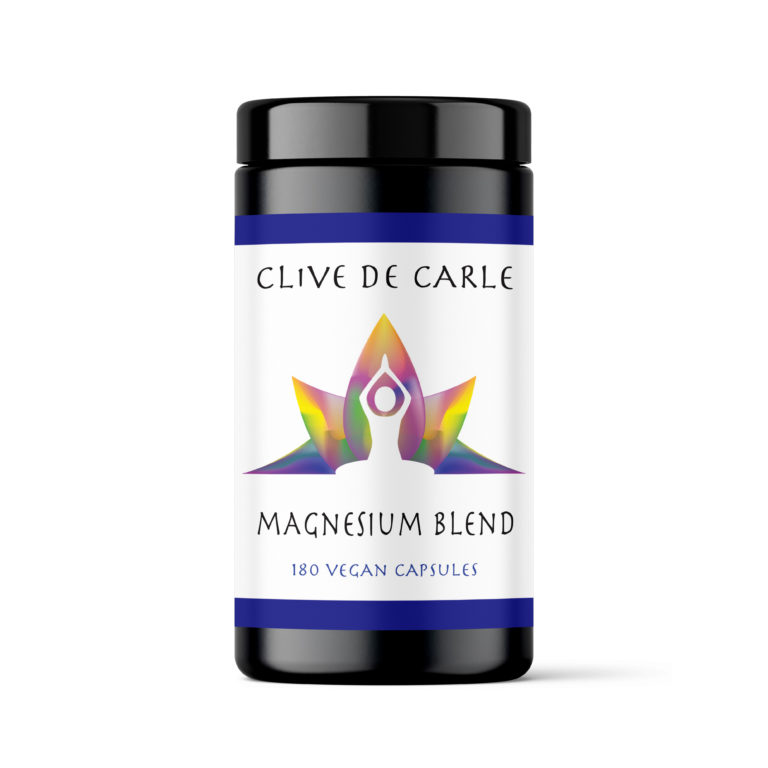
Magnesium Blend – The Most Important Mineral
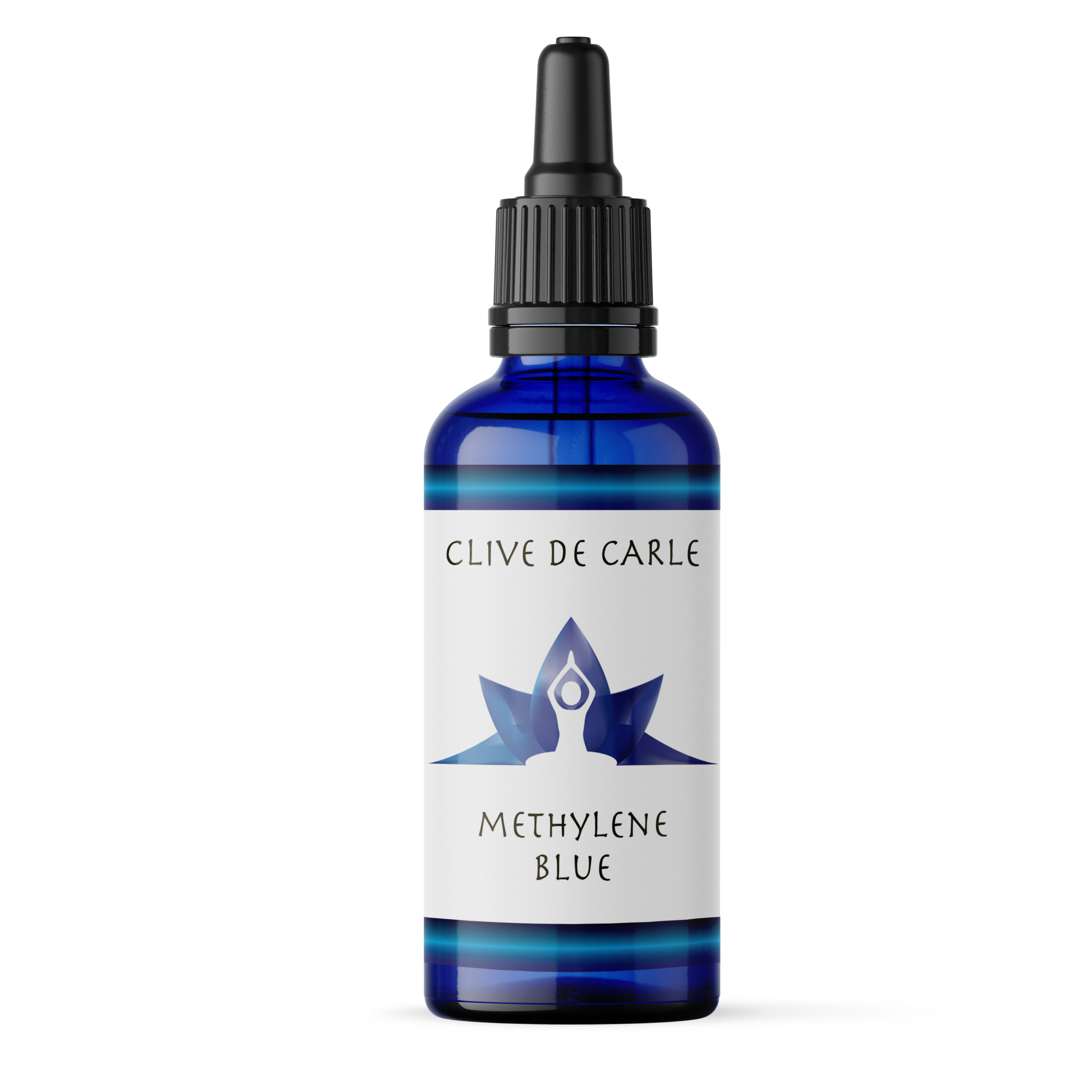
Methylene Blue – Advanced Cellular Chemistry
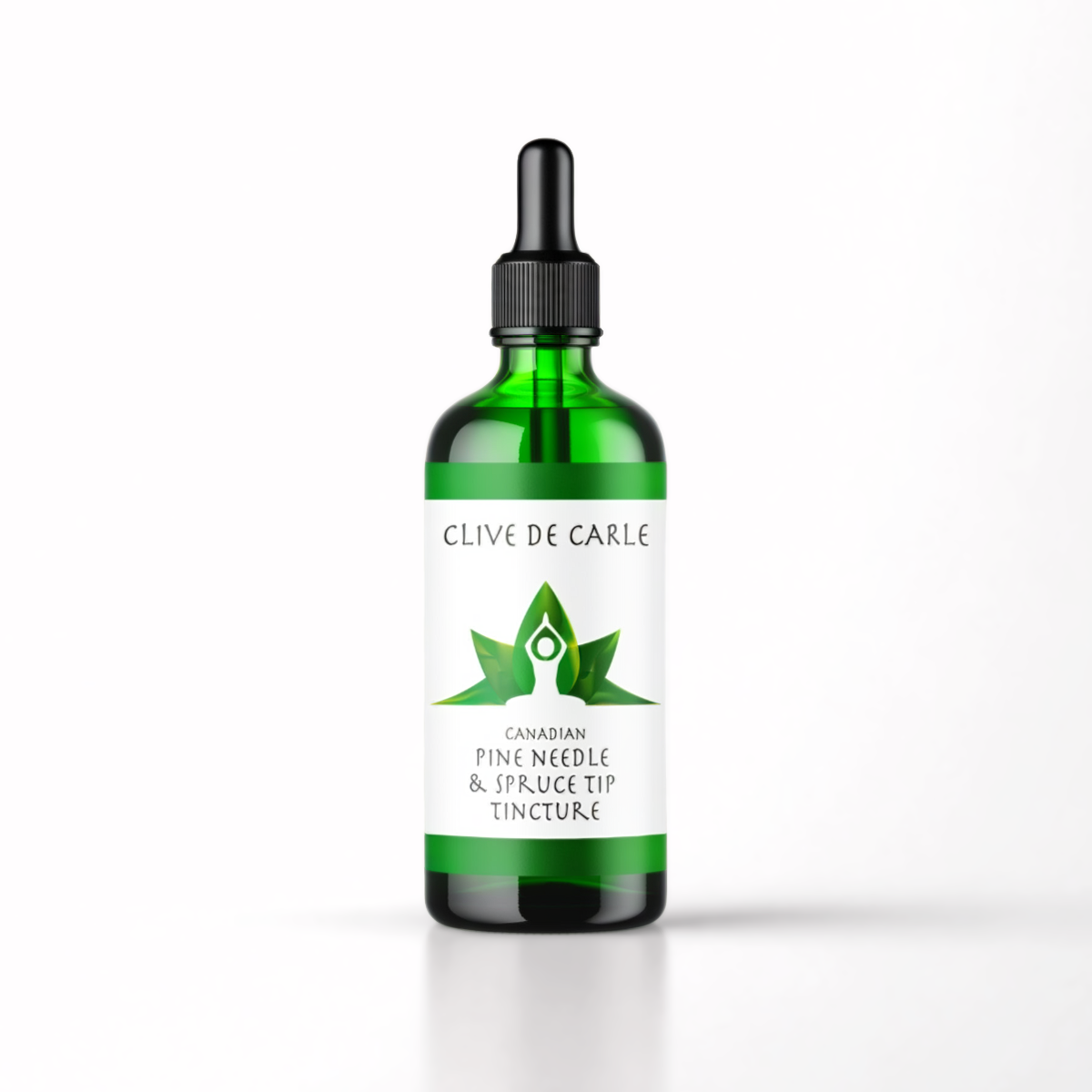
Canadian Pine Needle and Spruce Tip Tincture – Wild Harvested
INNERSTANDING may earn a commission on purchases made through these links. All products are selected based on rigorous educational relevance to our biological research.