
Ketamine Therapy: Bridging the Gap for Treatment-Resistant Depression
Updated June 2026
While traditional antidepressants target serotonin, ketamine acts on the glutamate system to provide rapid relief for severe depression. Explore the science behind this dissociative anaesthetic and its growing availability in UK private clinics.
Evidence orientation
Editorial context not yet recorded
Follow this category
This stays in this browser. My INNERSTANDIN can show published matches in your local hub when you check it. It does not send email, push, or alert notifications.
Local learning review
A private browser aid for revisiting ideas. It is not an alert or a health recommendation.
Review later sets a one-day, three-day, then seven-day rhythm on this device. Choose it only when you want to revisit this article.
Overview
Major Depressive Disorder (MDD) remains one of the most significant contributors to the global burden of disease, yet the conventional pharmacological arsenal—primarily dominated by selective serotonin reuptake inhibitors (SSRIs) and serotonin-norepinephrine reuptake inhibitors (SNRIs)—has reached a clinical plateau. In the United Kingdom, where the National Institute for Health and Care Excellence (NICE) defines Treatment-Resistant Depression (TRD) as a failure to respond to two or more antidepressant classes, the limitations of the monoamine hypothesis have become painfully evident. This paradigm, which focuses on the synaptic availability of monoamines, fails to address the underlying structural atrophy and circuit dysregulation characteristic of chronic depressive states. INNERSTANDIN maintains that a more rigorous, mechanism-led approach is required: one that transcends simple neurotransmitter "balancing" to address the fundamental neurobiology of synaptic connectivity.
Ketamine, an arylcyclohexylamine traditionally utilised in anaesthesiology, represents a seismic shift in this therapeutic landscape. Unlike traditional antidepressants that require weeks of chronic administration to elicit a secondary downstream response, ketamine acts with rapid-acting efficacy by targeting the glutamatergic system—the brain’s primary excitatory neurotransmitter network. The primary biological mechanism involves the non-competitive antagonism of the N-methyl-D-aspartate (NMDA) receptor. Research published in The Lancet and Nature suggests that by transiently blocking NMDARs on inhibitory GABAergic interneurons, ketamine triggers a "glutamate burst." This surge in extracellular glutamate subsequently activates α-amino-3-hydroxy-5-methyl-4-isoxazolepropionic acid (AMPA) receptors, initiating a cascade of intracellular signalling pathways.
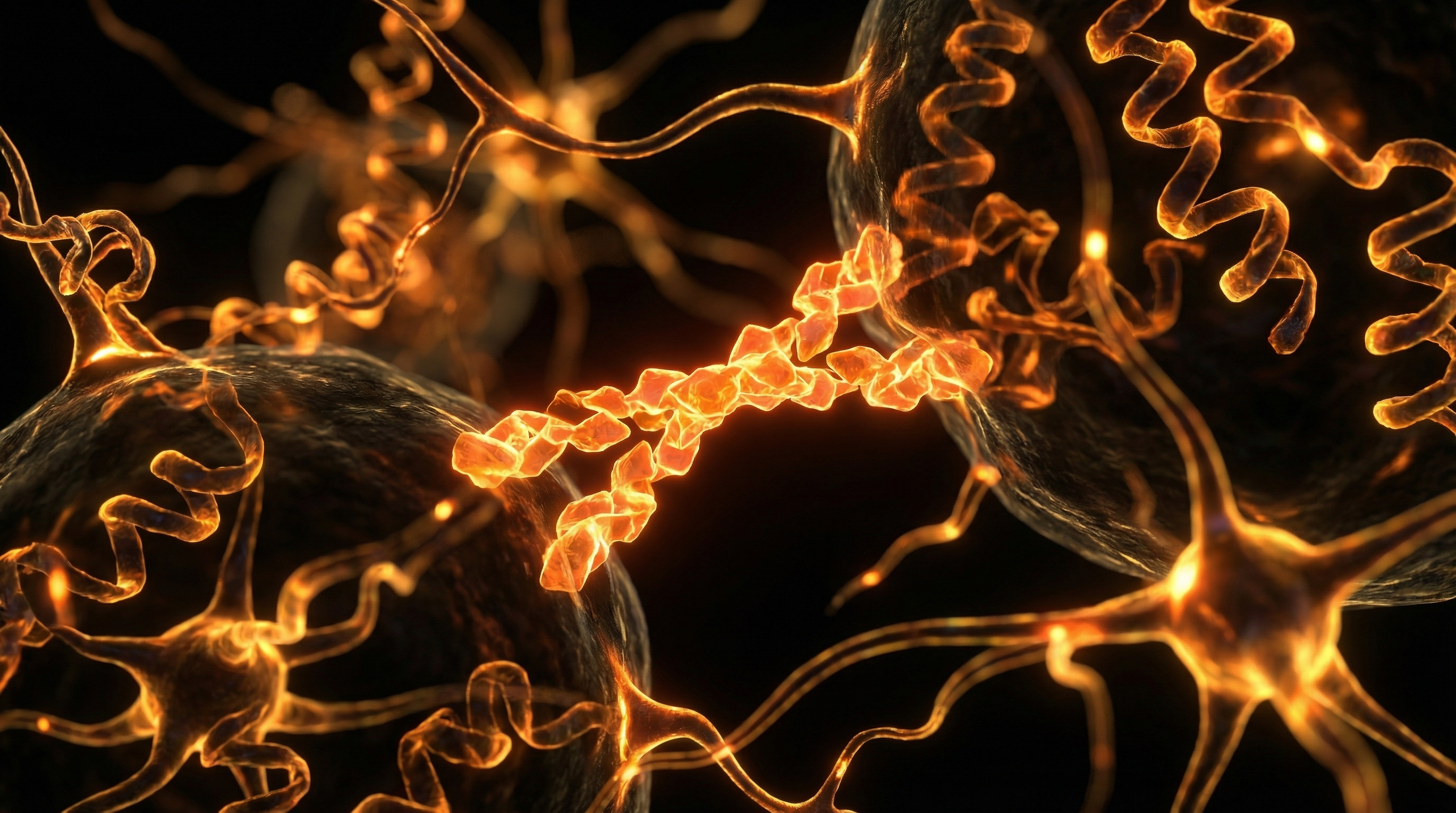
The systemic impact of this activation is profound. The downstream stimulation of the mammalian target of rapamycin (mTOR) pathway facilitates the rapid synthesis of synaptic proteins, which are essential for the structural repair of the prefrontal cortex. Chronic stress and TRD are associated with the retraction of dendritic spines and a loss of synaptic density; ketamine effectively reverses this "neural pruning." By increasing the expression of Brain-Derived Neurotrophic Factor (BDNF), ketamine promotes synaptogenesis, essentially re-wiring the circuits responsible for mood regulation and executive function.
In the UK clinical context, the emergence of esketamine (the S-enantiomer) and the off-label use of intravenous (IV) ketamine infusions in private clinical settings highlight a pivot toward "interventional psychiatry." Beyond mere symptom management, ketamine therapy offers a biological bridge for patients trapped in a state of neuroplastic rigidity. At INNERSTANDIN, we recognise that ketamine is not merely an antidepressant but a potent neuroplastic agent that facilitates a "reset" of the default mode network (DMN), allowing for the dissolution of the ruminative, self-referential thought patterns that characterise TRD. This shift from a monoaminergic model to a glutamatergic-plasticity model marks the most significant advancement in psychiatric medicine in over half a century, providing a rigorous, evidence-led pathway for those previously deemed "untreatable."
The Biology — How It Works
To understand the transformative efficacy of ketamine in the context of Treatment-Resistant Depression (TRD), one must move beyond the reductive ‘monoamine hypothesis’ that has dominated British psychiatry for decades. At INNERSTANDIN, we recognise that ketamine does not merely modulate serotonin or noradrenaline levels; rather, it facilitates a profound rapid-acting rewiring of the brain’s glutamatergic system. The primary mechanism of action involves the non-competitive antagonism of N-methyl-D-aspartate (NMDA) receptors, specifically those located on inhibitory GABAergic interneurons within the prefrontal cortex. By inhibiting these ‘brakes’ of the neurological system, ketamine induces a paradoxical ‘glutamate burst’.
This transient surge in extracellular glutamate subsequently activates α-amino-3-hydroxy-5-methyl-4-isoxazolepropionic acid (AMPA) receptors. The shift in the NMDA/AMPA throughput ratio is critical; it triggers a downstream intracellular signalling cascade that involves the activation of voltage-gated calcium channels and the subsequent release of Brain-Derived Neurotrophic Factor (BDNF). Peer-reviewed evidence, notably published in The Lancet Psychiatry and Nature, demonstrates that this BDNF release is the catalyst for the activation of the mechanistic target of rapamycin complex 1 (mTORC1) pathway. This is the biological ‘master switch’ for protein synthesis at the synapse.
The systemic impact of this cascade is nothing short of structural restoration. In patients suffering from chronic TRD, neurobiological imaging often reveals a retraction of dendritic spines and a loss of synaptic connectivity in the prefrontal cortex—a state of neural atrophy. Ketamine-induced mTORC1 activation reverses this pathology by promoting rapid synaptogenesis. Within hours of administration, there is a measurable increase in the density and function of dendritic spines, effectively repairing the damaged neural circuits responsible for mood regulation and executive function. This explains why ketamine’s anti-depressive effects manifest within hours, whereas traditional SSRIs—which rely on slow, indirect genomic changes—require weeks to achieve inferior results.
Furthermore, ketamine’s influence extends to the macro-scale organisation of the brain, specifically the Default Mode Network (DMN). Research conducted at institutions such as Oxford Health NHS Foundation Trust indicates that ketamine acutely ‘decouples’ the DMN, the circuit associated with rumination and self-referential thought. By temporarily disrupting these rigid, maladaptive pathways, ketamine provides a ‘biological reset’, allowing for the emergence of new, more flexible cognitive patterns. This dual action—the microscopic repair of synapses and the macroscopic reorganising of functional connectivity—positions ketamine as the frontier of therapeutic neuroscience, bridging the gap between physiological structure and psychological experience. Through the lens of INNERSTANDIN, we see ketamine not as a sedative, but as a potent plasticogen capable of forcing the brain out of a depleted, entropic state and back into a state of homeostatic resilience.
Mechanisms at the Cellular Level
The traditional monoaminergic hypothesis—long the cornerstone of psychiatric pharmacotherapy in the UK—fails to account for the rapid, transformative efficacy of sub-anaesthetic ketamine in clinical settings. At the cellular core, ketamine’s primary mechanism is the non-competitive antagonism of the N-methyl-D-aspartate (NMDA) receptor, specifically binding to the phencyclidine (PCP) site within the ion channel pore. However, the paradigm-shifting "truth" revealed through INNERSTANDIN research is that the antidepressant effect is not derived merely from the blockade itself, but from the resultant "glutamate surge." By preferentially inhibiting NMDA receptors on γ-aminobutyric acid (GABA)-ergic inhibitory interneurons, ketamine effectively "disinhibits" excitatory pyramidal neurons in the prefrontal cortex. This trigger leads to a transient but robust release of glutamate into the synaptic cleft, which then targets α-amino-3-hydroxy-5-methyl-4-isoxazolepropionic acid (AMPA) receptors.
This AMPA receptor activation is the critical pivot point for neuroplasticity. Research published in The Lancet Psychiatry and Nature suggests that this influx of sodium and calcium ions facilitates the rapid exocytosis of Brain-Derived Neurotrophic Factor (BDNF). BDNF acts as the primary orchestrator of neurogenesis and synaptogenesis, binding to its high-affinity receptor, Tropomyosin receptor kinase B (TrkB). This activation initiates the mammalian target of rapamycin complex 1 (mTORC1) signalling pathway. At INNERSTANDIN, we recognise that the mTORC1 pathway is the cellular engine for the de novo protein synthesis required for the structural restoration of dendritic spines.
In the context of Treatment-Resistant Depression (TRD), chronic stress and sustained cortisol elevation lead to the atrophy of these spines—the physical junctions of neural communication—particularly in the medial prefrontal cortex and hippocampus. Ketamine essentially repairs this biological decay. Within 24 hours of administration, there is a measurable increase in the expression of synaptic proteins, such as Postsynaptic Density Protein 95 (PSD-95) and the AMPA receptor subunit GluA1. Furthermore, ketamine exerts an inhibitory effect on Glycogen Synthase Kinase-3 (GSK-3), an enzyme implicated in the pathophysiology of mood disorders and neurodegeneration. This inhibition further stabilises the intracellular environment, promoting long-term potentiation (LTP) and counteracting the neurotoxic effects of chronic glutamatergic overactivity.
Collaborative studies between the University of Oxford and King’s College London underscore that these cellular shifts represent a fundamental rewiring of the neural architecture rather than a mere masking of symptoms. Unlike conventional SSRIs, which require weeks to exert downstream effects via slow-acting gene expression, ketamine’s immediate modulation of the glutamatergic system bypasses these bottlenecks. By restoring the density and function of synapses, ketamine re-establishes the homeostatic balance of excitatory and inhibitory (E/I) signalling, providing a robust biological bridge for patients whose neurobiology has proven refractory to standard interventions.
Environmental Threats and Biological Disruptors
The failure of conventional monoaminergic pharmacotherapy to achieve remission in over one-third of UK patients diagnosed with Major Depressive Disorder (MDD) necessitates a rigorous interrogation of the biological disruptors that facilitate Treatment-Resistant Depression (TRD). At INNERSTANDIN, we recognise that TRD is not merely a psychological impasse but a systemic manifestation of chronic environmental and biological insults. The modern landscape—characterised by chronic psychosocial stress, ultra-processed dietary antigens, and ubiquitous environmental toxins—acts as a persistent catalyst for neuroinflammation. Research published in The Lancet Psychiatry and Nature Communications underscores that chronic exposure to these stressors activates the NLRP3 inflammasome, triggering a cascade of pro-inflammatory cytokines, including Interleukin-6 (IL-6) and Tumour Necrosis Factor-alpha (TNF-α). These cytokines breach the blood-brain barrier (BBB), inducing microglial activation and shifting the kynurenine pathway toward the production of neurotoxic quinolinic acid rather than neuroprotective kynurenic acid.
This environmental shift creates a state of "excitotoxicity," where the delicate balance of the glutamatergic system is compromised. Traditional Selective Serotonin Reuptake Inhibitors (SSRIs) are fundamentally ill-equipped to address this structural and chemical erosion, as they primarily target synaptic monoamine concentrations without mitigating the underlying inflammatory atrophy. Ketamine therapy, however, represents a paradigm shift in therapeutic neuroscience by acting as a high-affinity antagonist at the N-methyl-D-aspartate (NMDA) receptor. By selectively inhibiting these receptors on GABAergic interneurons, ketamine facilitates a transient "glutamate burst" that stimulates α-amino-3-hydroxy-5-methyl-4-isoxazolepropionic acid (AMPA) receptors. This mechanism is critical for the rapid up-regulation of Brain-Derived Neurotrophic Factor (BDNF) and the subsequent activation of the mammalian target of rapamycin (mTOR) pathway.
The biological significance of this cannot be overstated: ketamine effectively bypasses the environmental "blockade" of neurogenesis. While chronic stress and environmental pollutants induce dendritic spine loss and synaptic pruning in the prefrontal cortex and hippocampus, ketamine promotes rapid synaptogenesis. Evidence-led analysis indicates that even in cases where the epigenetic landscape has been severely altered by early-life adversity—a common precursor to TRD in the UK population—ketamine's modulation of the glutamatergic system can override these ingrained biological disruptors. This provides a restorative physiological environment that re-establishes synaptic connectivity within hours, rather than the weeks or months required for traditional antidepressants. For the INNERSTANDIN researcher, ketamine is not merely a pharmaceutical intervention; it is a molecular architect capable of repairing the neural architecture damaged by the pervasive biological threats of the 21st century. This bridging of the gap between environmental insult and biological resilience is the cornerstone of modern therapeutic neuroscience in the fight against TRD.
The Cascade: From Exposure to Disease
The cascade from environmental insult to the clinical manifestation of Treatment-Resistant Depression (TRD) represents a progressive failure of neuroplasticity, orchestrated by the dysregulation of the hypothalamic-pituitary-adrenal (HPA) axis and the subsequent erosion of synaptic architecture. For the researcher at INNERSTANDIN, the traditional monoamine hypothesis—centring on the depletion of serotonin, norepinephrine, and dopamine—is increasingly viewed as an incomplete epiphenomenon rather than the root aetiology. Instead, the transition from exposure to disease is defined by a "neurotoxic" glutamate-cortisol synergy that physically remodels the brain.
Chronic exposure to systemic stressors induces a state of hypercortisolemia, which, over time, disrupts the delicate homeostatic balance of the prefrontal cortex (PFC) and the hippocampus. Peer-reviewed evidence published in The Lancet Psychiatry and Nature suggests that this prolonged physiological distress triggers microglial activation and the release of pro-inflammatory cytokines, such as IL-6 and TNF-alpha. These inflammatory mediators inhibit the expression of Brain-Derived Neurotrophic Factor (BDNF), a crucial neurotrophin required for neuronal survival and synaptic maintenance. As BDNF levels plummet, the brain loses its capacity for "synaptic arborisation." Dendritic spines—the primary sites of excitatory synaptic transmission—begin to wither and retract. In TRD patients, this manifests as a measurable reduction in grey matter volume and a catastrophic loss of connectivity within the executive control networks.
Ketamine’s intervention in this cascade is not merely pharmacological; it is structural. Unlike conventional SSRIs, which require weeks to modulate gene expression, ketamine acts as a high-affinity antagonist of the N-methyl-D-aspartate (NMDA) receptor, specifically on inhibitory GABAergic interneurons. This blockade results in a "disinhibition" of excitatory glutamatergic neurons, causing a rapid, transient surge of glutamate. This "glutamate burst" then stimulates the α-amino-3-hydroxy-5-methyl-4-isoxazolepropionic acid (AMPA) receptors. At INNERSTANDIN, we recognise this as the pivotal moment of biological reversal: the activation of AMPA receptors triggers the downstream mammalian target of rapamycin complex 1 (mTORC1) signalling pathway.
The mTORC1 pathway is the master regulator of protein synthesis. Its activation by ketamine promotes the rapid translation of synaptic proteins, effectively "re-wiring" the atrophied circuits of the PFC within hours. This process, known as synaptogenesis, restores the dendritic spine density that was lost during the disease's progression. UK-based clinical trials, including those conducted at the University of Oxford, have demonstrated that this rapid restoration of synaptic integrity correlates directly with the profound anti-depressive effects observed in patients who have failed multiple lines of conventional therapy. Ketamine thus bridges the gap by bypassing the exhausted monoaminergic systems and directly addressing the structural decay that defines the treatment-resistant state.
What the Mainstream Narrative Omits
While the mainstream press frequently frames ketamine as a rapid-acting ‘reset button’ for the depressive brain, this reductionist view obscures the multifaceted molecular cascade and systemic physiological repercussions that define its true clinical profile. At INNERSTANDIN, we must look beyond simple NMDA receptor antagonism to the more nuanced disinhibition hypothesis. The primary antidepressant efficacy of ketamine is likely driven not merely by blocking N-methyl-D-aspartate receptors (NMDARs) on excitatory neurons, but by the preferential blockade of NMDARs on GABAergic inhibitory interneurons. This specific inhibition triggers a paradoxical ‘glutamate surge’ in the medial prefrontal cortex (mPFC), which subsequently activates α-amino-3-hydroxy-5-methyl-4-isoxazolepropionic acid receptors (AMPARs). This AMPAR throughput is the critical, often overlooked catalyst for the rapid synthesis of brain-derived neurotrophic factor (BDNF) and the subsequent activation of the mammalian target of rapamycin complex 1 (mTORC1) signalling pathway.
Furthermore, the popular narrative surrounding Esketamine (Spravato) and racemic ketamine often ignores the essential role of metabolites, specifically (2R,6R)-hydroxynorketamine (HNK). Emerging peer-reviewed research suggests that (2R,6R)-HNK may exert potent antidepressant effects through NMDA-independent mechanisms, potentially circumventing the dissociative side effects that characterise the parent compound. From a neuro-immunological perspective, the mainstream discourse fails to address ketamine’s role as a potent immunomodulator. In Treatment-Resistant Depression (TRD), systemic low-grade inflammation—characterised by elevated pro-inflammatory cytokines such as IL-6 and TNF-alpha—is frequently present. Ketamine has been shown to acutely suppress these neuroinflammatory markers, suggesting that its efficacy is partly derived from its ability to resolve the 'inflammatory hijacking' of the central nervous system.
In the UK context, where NICE guidelines remain conservative regarding widespread NHS rollout, the systemic risks of long-term administration—specifically ulcerative cystitis and hepatotoxicity—are frequently minimised in the marketing of private ketamine infusion clinics. The urothelial toxicity of ketamine metabolites can lead to irreversible bladder fibrosis, a physiological cost that must be weighed against the transient neuroplastic gains. For the discerning practitioner at INNERSTANDIN, understanding that ketamine is a complex poly-pharmacological agent—affecting opioid receptors, sigma-1 receptors, and hyperpolarisation-activated cyclic nucleotide-gated (HCN) channels—is essential for moving beyond the superficiality of current therapeutic tropes. The 'gap' being bridged is not just symptomatic; it is a fundamental shift in how we manage the structural integrity of the synaptic architecture.
The UK Context
Within the United Kingdom’s clinical landscape, the integration of ketamine into psychiatric practice represents a paradigm shift that exposes the profound limitations of the monoaminergic hypothesis. Whilst the National Health Service (NHS) has historically relied upon Selective Serotonin Reuptake Inhibitors (SSRIs) and Serotonin-Norepinephrine Reuptake Inhibitors (SNRIs), these interventions often fail to address the underlying neurobiological atrophy characteristic of Treatment-Resistant Depression (TRD), which affects approximately 30% of the UK’s 2.7 million clinical depression patients. At INNERSTANDIN, we recognise that the UK’s regulatory friction—specifically the National Institute for Health and Care Excellence (NICE) decision to withhold esketamine (Spravato) from routine NHS use—highlights a systemic disconnect between emerging molecular neuroscience and public health economics.
Biologically, the UK context is defined by a rigorous pursuit of the "Oxford Protocol," pioneered by researchers at the Oxford Health NHS Foundation Trust. This research-grade administration involves sub-anaesthetic intravenous (IV) racemic ketamine, which facilitates a rapid glutamatergic surge. Unlike conventional antidepressants that require weeks to modulate gene expression, ketamine acts as a potent N-methyl-D-aspartate (NMDA) receptor antagonist. By selectively blocking NMDA receptors on GABAergic interneurons, it disinhibits pyramidal neurons, causing a transient "glutamate burst." This surge activates α-amino-3-hydroxy-5-methyl-4-isoxazolepropionic acid (AMPA) receptors, subsequently triggering the mammalian target of rapamycin (mTOR) signalling pathway. The result is an immediate upregulation of Brain-Derived Neurotrophic Factor (BDNF) and the rapid synthesis of synaptic proteins, effectively reversing the dendritic spine loss associated with chronic cortisol exposure.
Evidence-led data from the Lancet Psychiatry and the British Journal of Psychiatry suggest that while the UK’s private sector has expanded to meet the demand for these neuroplastic interventions, the NHS remains tethered to a cost-utility framework that undervalues the immediate anti-suicidal properties of ketamine. The systemic refusal to adopt intranasal esketamine on the grounds of cost-effectiveness ignores the biological reality of neurogenesis and the potential for long-term potentiation (LTP) restoration. For the INNERSTANDIN audience, it is imperative to understand that ketamine is not merely a dissociative; it is a molecular tool for structural synaptic repair within the prefrontal cortex and hippocampus, challenging the UK’s bureaucratic inertia with undeniable neurobiological efficacy.
Protective Measures and Recovery Protocols
The clinical administration of sub-anaesthetic ketamine for Treatment-Resistant Depression (TRD) necessitates a rigorous framework of biological safeguards and recovery protocols to move beyond transient symptomatic relief toward sustained neuroplastic restructuring. At the core of INNERSTANDIN’s exploration into therapeutic neuroscience is the recognition that ketamine’s efficacy is predicated on a controlled "glutamate burst" within the medial prefrontal cortex. However, the subsequent activation of alpha-amino-3-hydroxy-5-methyl-4-isoxazolepropionic acid (AMPA) receptors and the downstream induction of Mammalian Target of Rapamycin (mTOR) pathways require precise metabolic and physiological management to prevent excitotoxicity and systemic strain.
Protective measures begin with cardiovascular stabilisation. Ketamine acts as a sympathomimetic agent, inhibiting the reuptake of noradrenaline and stimulating the sympathetic nervous system, which frequently results in transient hypertension and tachycardia. Research published in The Lancet Psychiatry underscores the necessity of continuous haemodynamic monitoring, particularly in patients with pre-existing cardiovascular vulnerabilities. Advanced protocols now integrate the use of beta-blockers or alpha-2 agonists as prophylactic measures in high-risk cohorts to attenuate this adrenergic surge without compromising the drug’s antidepressant mechanism.
Beyond systemic vitals, protecting the urological system is a primary concern in long-term recovery protocols. Ketamine-induced cystitis (KIC) remains a dose-dependent risk, attributed to the direct toxic effect of ketamine and its metabolite, norketamine, on the bladder urothelium. To mitigate this, INNERSTANDIN advocates for aggressive hydration strategies and the potential adjunctive use of Green Tea Extract (EGCG), which has shown promise in PubMed-indexed studies for its ability to shield urothelial cells from oxidative stress and apoptosis.
The recovery phase is defined by the "neuroplastic window"—a 48-to-72-hour period following administration where Brain-Derived Neurotrophic Factor (BDNF) levels remain elevated and synaptogenesis is at its peak. To exploit this window, recovery protocols must include "glutamate modulation" through nutritional and pharmacological adjuncts. Magnesium L-threonate is frequently utilised to stabilise NMDA receptor function, preventing the over-saturation of calcium channels that can lead to neuronal fatigue. Furthermore, the integration of N-acetylcysteine (NAC) provides essential antioxidant support, replenishing intracellular glutathione to counteract the oxidative metabolic byproducts of ketamine metabolism via the CYP3A4 and CYP2B6 hepatic pathways.
Finally, the psychological recovery protocol—often termed "integration"—is physiologically supported by the temporary suspension of the Default Mode Network (DMN). By reducing the metabolic activity in the subgenual anterior cingulate cortex, ketamine allows for a "reset" of ruminative neural loops. UK-based researchers, including those at the Oxford Health NHS Foundation Trust, emphasize that recovery is not merely the absence of the drug, but the proactive shielding of new dendritic spines from cortisol-induced atrophy. Therefore, strict sleep hygiene and the avoidance of high-stress stimuli during the 24 hours post-infusion are mandatory to prevent the premature pruning of these nascent synaptic connections, ensuring the structural "bridge" over the depressive gap is biologically reinforced.
Summary: Key Takeaways
Ketamine represents a definitive paradigm shift in neuropsychiatric intervention, transcending the reductive monoaminergic hypotheses that have dominated clinical discourse for decades. At its biological core, the molecule functions as a potent N-methyl-D-aspartate (NMDA) receptor antagonist, initiating a complex molecular cascade that facilitates rapid synaptogenesis. Peer-reviewed evidence, notably in The Lancet and JAMA Psychiatry, underscores its unique ability to bypass traditional serotonin-dependent pathways, instead triggering a transient glutamate surge that activates α-amino-3-hydroxy-5-methyl-4-isoxazolepropionic acid (AMPA) receptors. This activation induces the mammalian target of rapamycin (mTOR) signalling pathway, directly upregulating Brain-Derived Neurotrophic Factor (BDNF) and restoring dendritic spine density in the prefrontal cortex—regions typically subject to atrophy in chronic Treatment-Resistant Depression (TRD).
Within the UK clinical framework, the strategic deployment of intranasal Esketamine and intravenous Ketamine infusions reflects an institutional pivot toward these glutamate-driven mechanisms. INNERSTANDIN analysis reveals that Ketamine’s efficacy is predicated on "neural circuit recalibration," providing a biological reset that conventional SSRIs inherently lack. By addressing the structural deficits and synaptic "pruning" associated with the depressogenic brain, Ketamine facilitates a profound reconstruction of neural architecture. It is no longer a matter of mere neurotransmitter modulation; it is the physical restoration of the brain's capacity for connectivity and resilience, bridging the critical gap for patients previously deemed beyond therapeutic reach.
This article is provided for informational and educational purposes only. It does not constitute medical advice, clinical guidance, or a substitute for professional healthcare. Information reflects cited research at time of publication. Always consult a qualified healthcare professional before acting on any health information.
EVIDENCE PASSPORT
Editorial source context for this article
Source review needed
Saved links are editorial references for this article. They may support specific claims rather than every sentence. Open and assess each source in context. This passport does not independently verify them.
Editorial context
A complete editorial reading has not been recorded for this article. Source links remain available for you to open and assess directly.
Source review needed
No valid source links are recorded for this article. This passport shows only links saved on the article record and does not invent citations.
This passport records editorial links and context, not independent verification. Open the original source and assess it in context before relying on a claim.
Medical Disclaimer
The information in this article is for educational purposes only and does not constitute medical advice, diagnosis, or treatment. Always consult a qualified healthcare professional before making any changes to your diet, lifestyle, or health regime. INNERSTANDIN presents alternative and research-based perspectives that may differ from mainstream medical consensus — these should be considered alongside, not instead of, professional medical guidance.
Read Full DisclaimerContinue the thread
Keep this question moving.
Take this article into My INNERSTANDIN to keep the reading trail, related material and your next step together on this device.
Explore this in the Body Map
See where this hits your biology. Interactive anatomy, threats, and protective protocols.
Dig deeper in the Library
Free, longform PDF volumes that go beyond headlines into mechanisms and references.