All INNERSTANDIN content is for educational purposes only — not medical advice, diagnosis or treatment. Full Disclaimer →

    BACK TO DATABASE
    TAGGED RESEARCH

    #Depression

    7TRANSMISSIONS FOUND
    G
    Scientific illustration for The Gut-Brain Axis: The Bidirectional Intelligence Your Doctor Ignores
    Physiology
    13 MIN READ

    The Gut-Brain Axis: The Bidirectional Intelligence Your Doctor Ignores

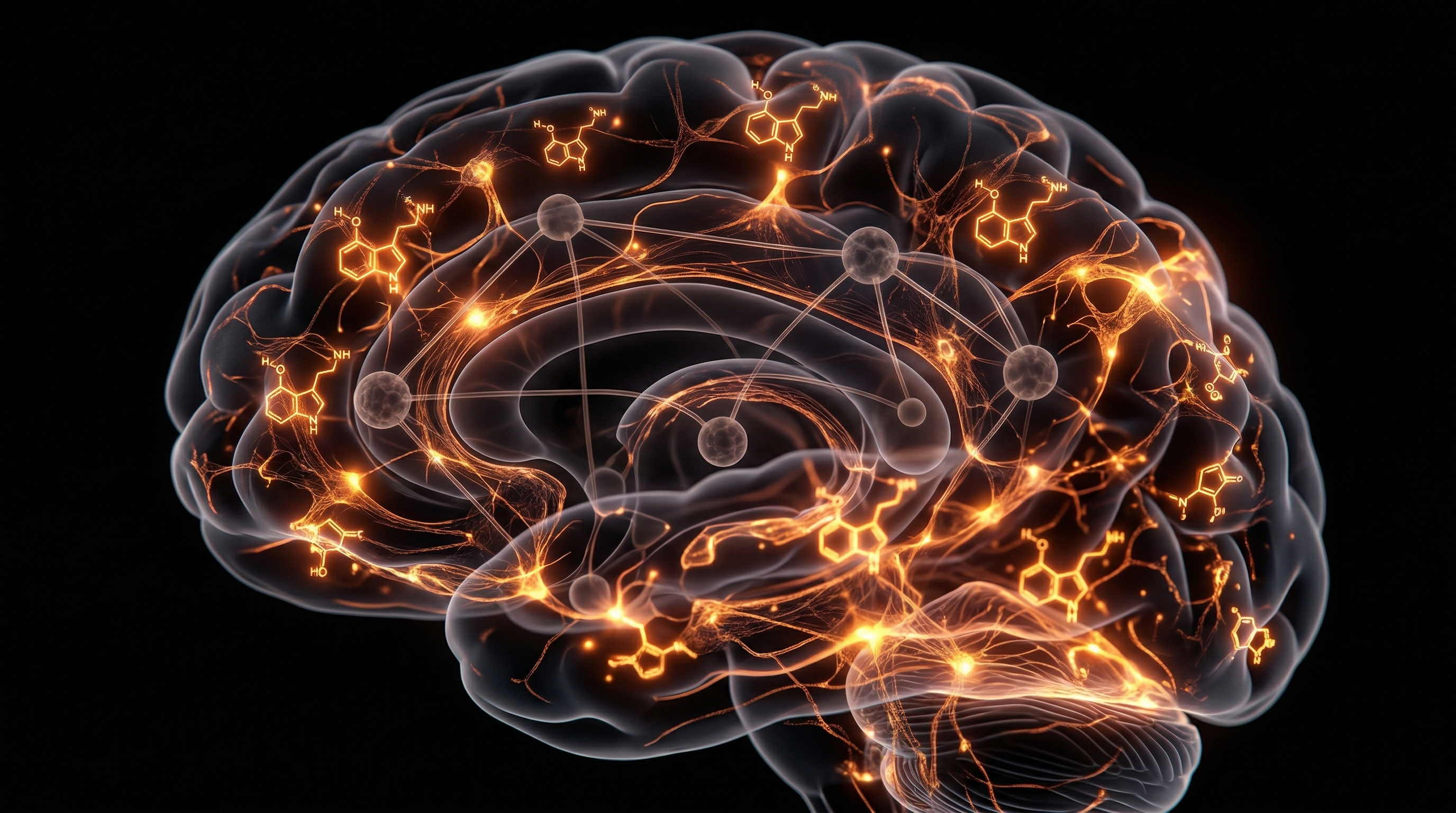
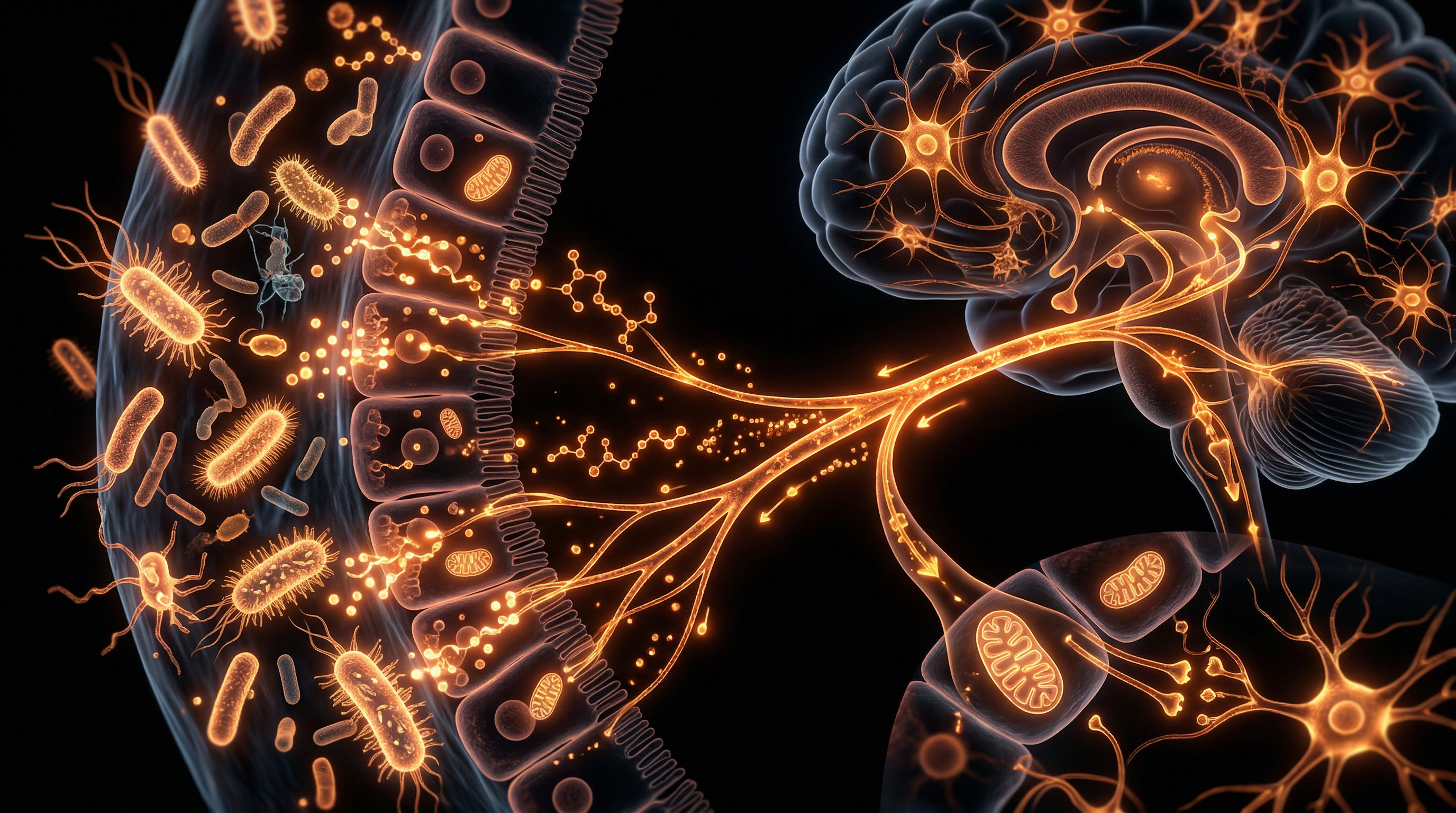
    The gut-brain axis — the bidirectional communication network connecting the enteric nervous system's 100 million neurons with the central nervous system via the vagus nerve, immune signalling, and neurotransmitter production — fundamentally challenges the conventional separation of gastrointestinal and neurological medicine. Ninety percent of the body's serotonin, 50% of its dopamine precursors, and the majority of its GABA are synthesised in the gut by microbiome organisms whose populations are devastated by antibiotics, glyphosate, processed food, and chronic stress. This makes gut dysbiosis a direct cause of depression, anxiety, autism spectrum disorder, and neurodegenerative disease — a connection that psychiatric medicine has been extraordinarily reluctant to integrate.

    #gut-brain axis#serotonin
    N
    Scientific illustration for Neuroinflammation: The Biological Root of Mental Illness
    Immune System
    12 MIN READ

    Neuroinflammation: The Biological Root of Mental Illness

    Neuroinflammation — the activation of the brain's resident immune cells, the microglia, in response to blood-brain barrier disruption, systemic inflammatory signals, heavy metal accumulation, viral or bacterial insult, or oxidative stress — is now recognised by leading neuroscientists as the primary biological driver of depression, anxiety disorders, bipolar disorder, schizophrenia, and the majority of conditions currently categorised as psychiatric illness. Pro-inflammatory cytokines including IL-1β, IL-6, and TNF-α cross the blood-brain barrier and directly inhibit tryptophan hydroxylase (reducing serotonin synthesis), disrupt dopamine signalling, and impair hippocampal neurogenesis — the biological mechanisms of the mood disorders for which the NHS prescribes SSRIs and antipsychotics without addressing the underlying inflammatory aetiology. This paradigm shift from chemical imbalance to immune-inflammatory models of mental illness has profound and largely unimplemented implications for psychiatry.

    #neuroinflammation#microglia
    N
    Scientific illustration for Neurotransmitter Depletion: The Biological Root of Depression & Anxiety
    Nervous System
    13 MIN READ

    Neurotransmitter Depletion: The Biological Root of Depression & Anxiety

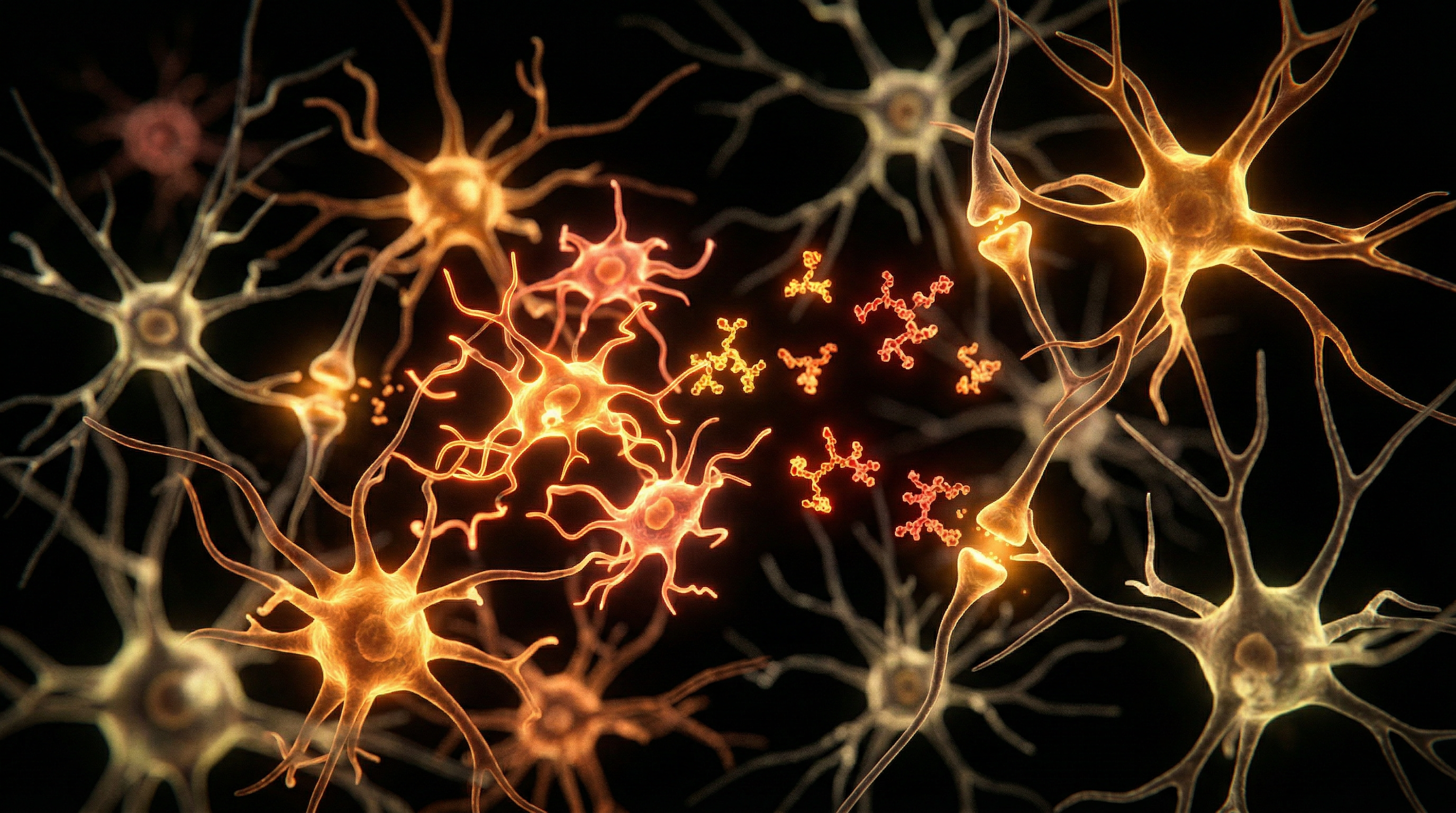
    Depression and anxiety are not diseases of serotonin, dopamine, or GABA deficiency in any simple sense — they are the predictable neurological consequences of the multi-factorial biological breakdown that depletes the amino acid precursors, cofactor micronutrients, and neurological infrastructure required to synthesise and signal with these compounds at optimal levels. Tryptophan (the serotonin precursor) is diverted away from serotonin synthesis toward the pro-inflammatory kynurenine pathway by inflammatory cytokines; dopamine synthesis requires L-DOPA, copper, and vitamin B6 all of which are depleted by heavy metal competition and nutrient-poor diets; and GABA is synthesised from glutamate by glutamic acid decoderase, an enzyme requiring pyridoxal-5-phosphate (active B6) that is directly inhibited by aluminium. The pharmaceutical model of blocking neurotransmitter reuptake with SSRIs and SNRIs addresses none of these root causes and creates iatrogenic dependency whilst the biological causes of neurotransmitter depletion are ignored.

    #neurotransmitters#serotonin