

TIME-RESTRICTED EATING & CIRCADIAN NUTRITION
When You Eat Matters as Much as What You Eat.
Time-restricted eating (TRE) — confining all caloric intake to a consistent window of 6-12 hours aligned with daylight hours — leverages the body's circadian biology to optimise metabolic function, insulin sensitivity, gut microbiome diversity, cellular repair, and cardiovascular health without necessarily reducing overall caloric intake. Dr Satchin Panda's research at the Salk Institute has demonstrated that eating within a 10-hour window — even without dietary change — reduces body fat, improves sleep, lowers blood pressure, and reduces LDL cholesterol in overweight individuals with metabolic syndrome. Eating late at night — when peripheral clocks in the liver, gut, and adipose tissue are biologically programmed for rest — generates postprandial inflammation, disrupts cortisol rhythms, impairs overnight fat oxidation, and suppresses melatonin-mediated repair. Circadian nutrition extends beyond meal timing to encompass light exposure with meals, chronotype alignment, and seasonal eating patterns that have governed human metabolic health for millennia and been entirely abandoned in the modern world.
Keep this domain close
Follow Time-Restricted Eating & Circadian Nutrition to see new published articles in My INNERSTANDIN.
LATEST RESEARCH
In-depth analysis of biological systems and environmental factors.


THE ARSENAL
Based on Time-Restricted Eating & Circadian Nutrition content — products curated by our research team for educational relevance and biological support.
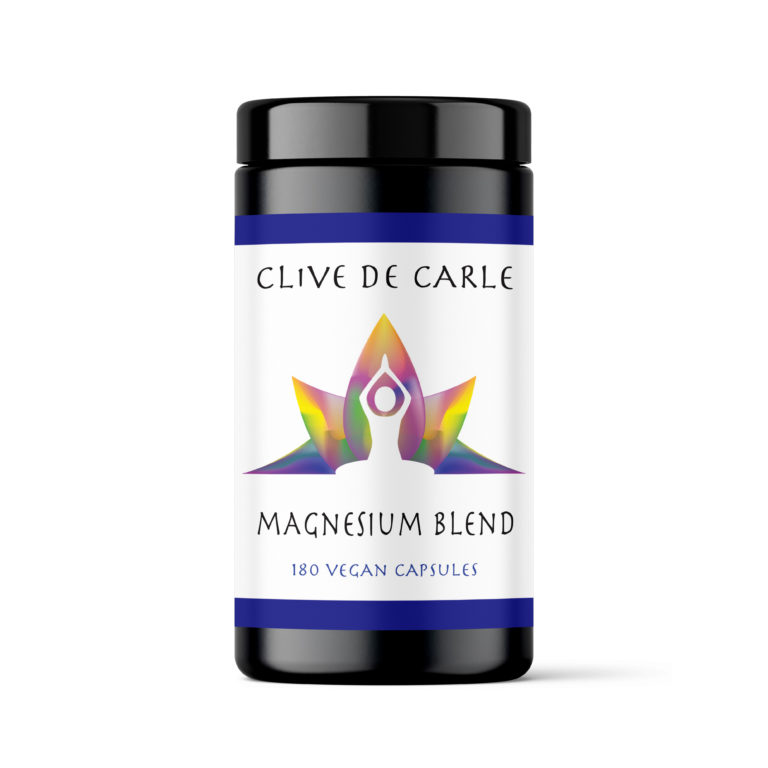
Magnesium Blend – The Most Important Mineral
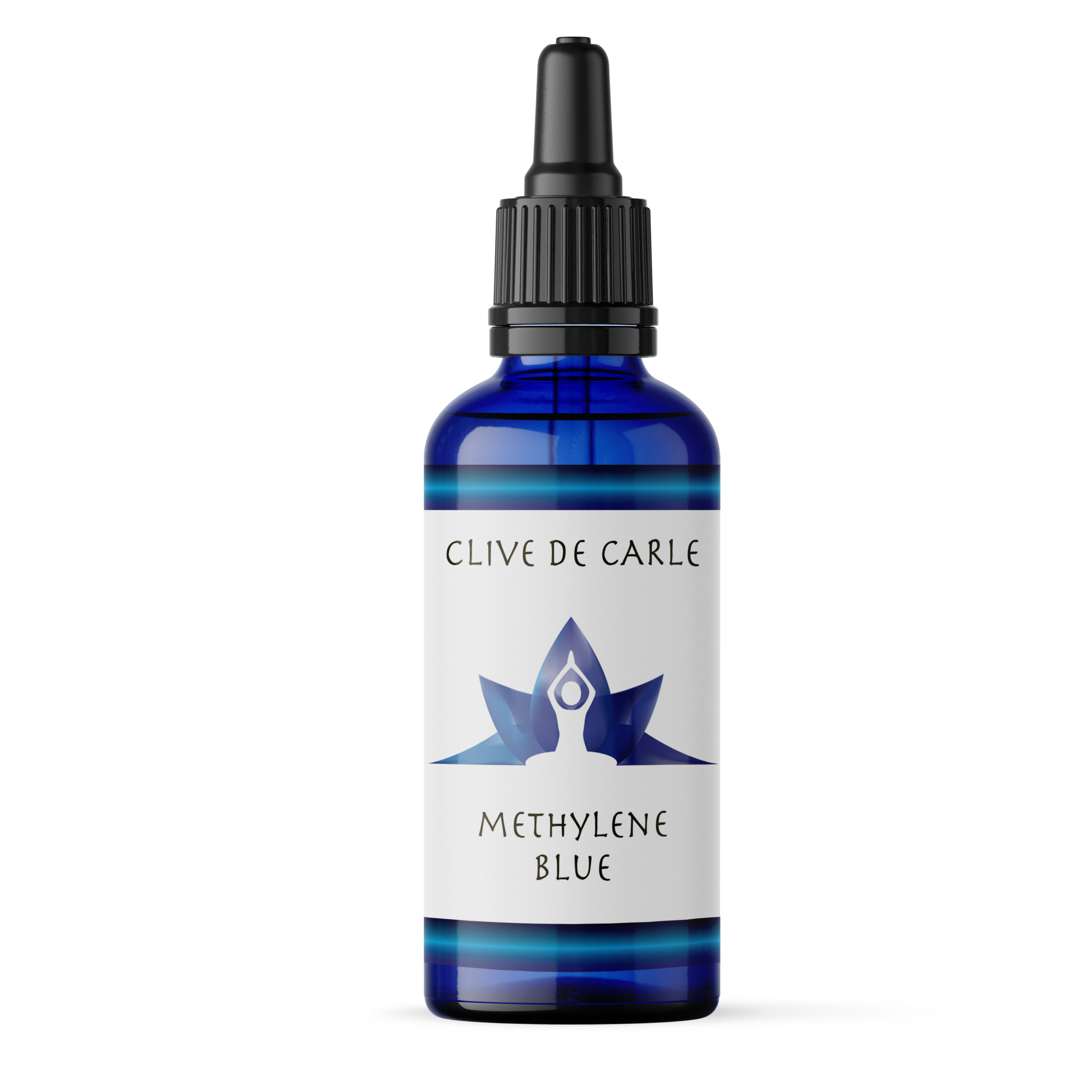
Methylene Blue – Advanced Cellular Chemistry

Canadian Pine Needle and Spruce Tip Tincture – Wild Harvested
INNERSTANDING may earn a commission on purchases made through these links. All products are selected based on rigorous educational relevance to our biological research.