
BIOFILM SCIENCE & PATHOGENIC PERSISTENCE
Why Infections Never Truly Clear — and What to Do About It.
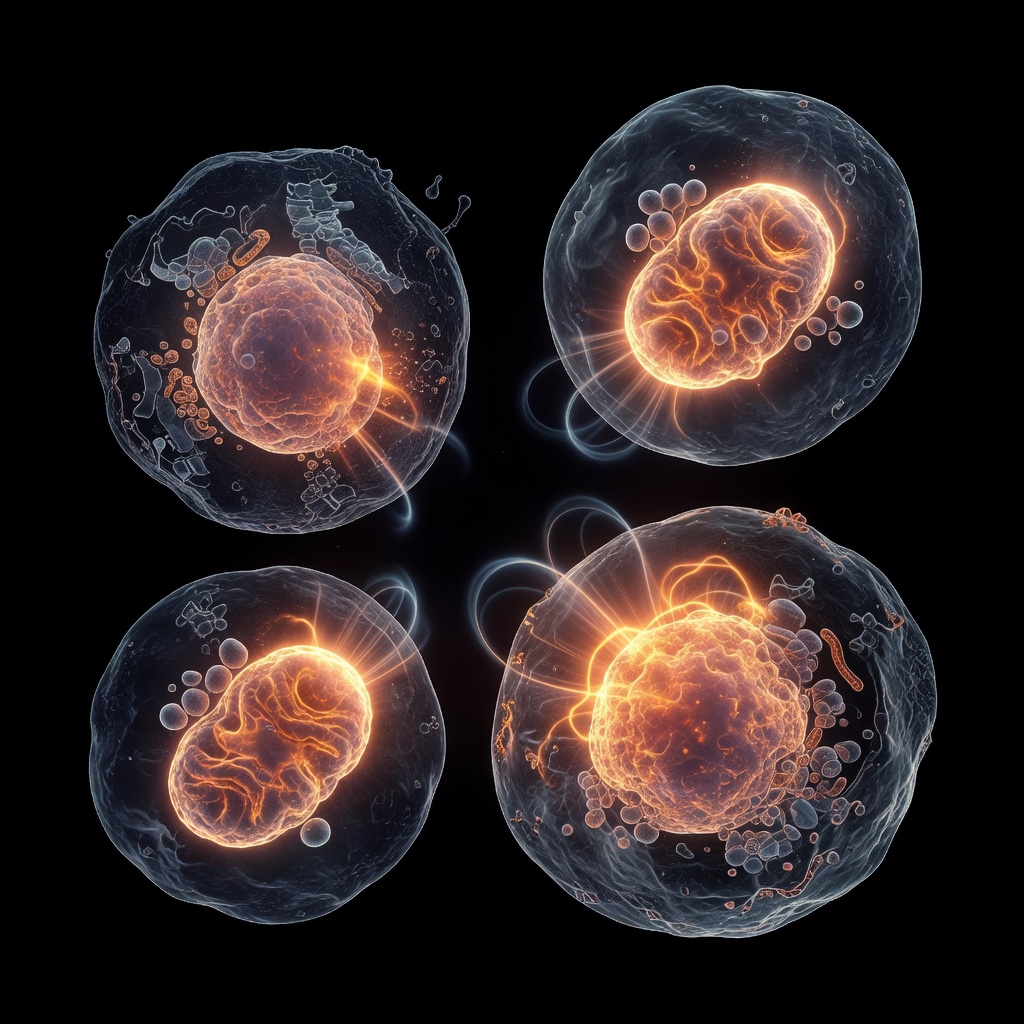
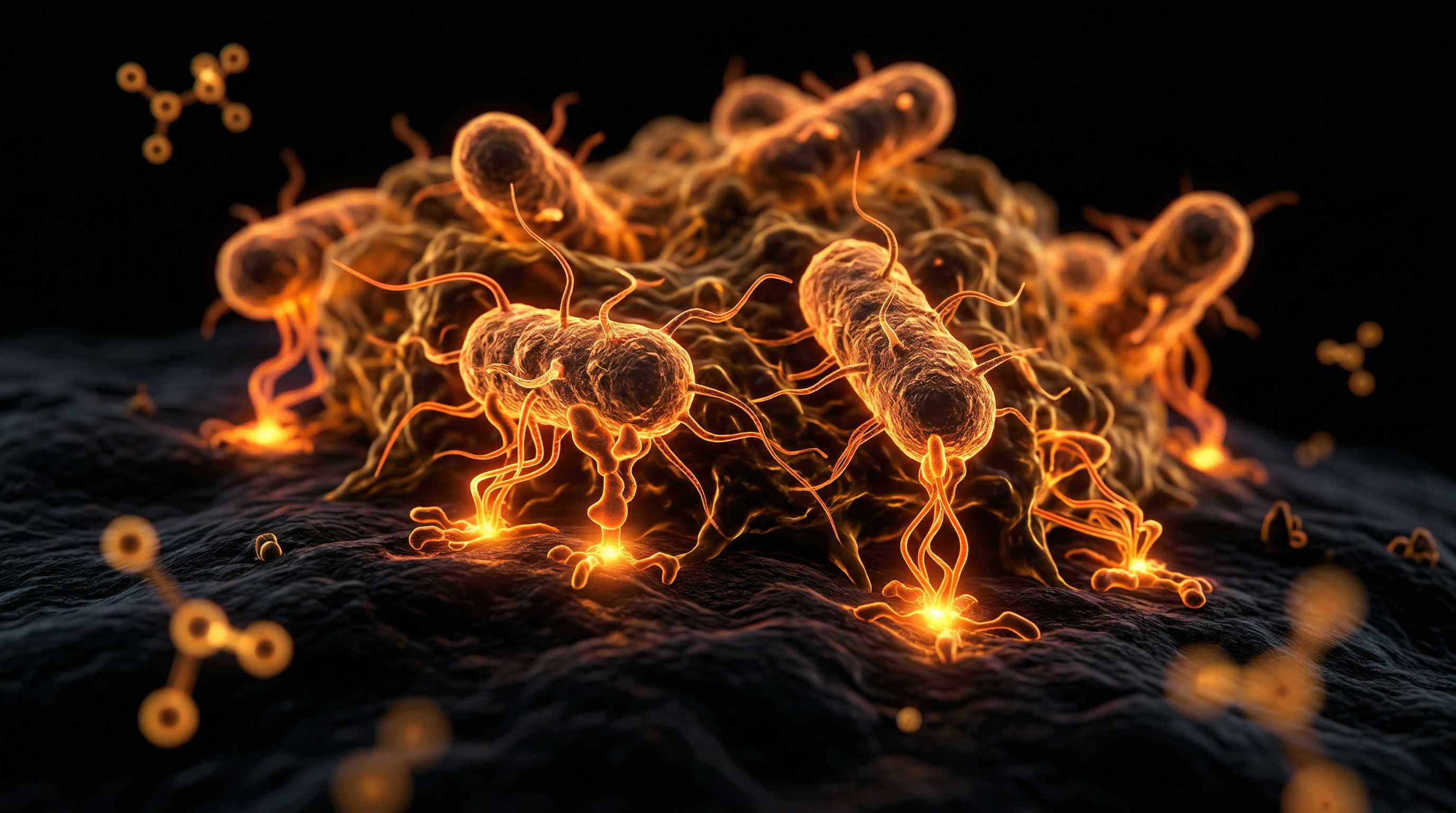
Biofilms are structured communities of microorganisms — bacteria, fungi, and parasites — encased in a self-produced extracellular matrix of polysaccharides, proteins, and DNA that provides near-complete protection from antibiotics, antifungals, and immune surveillance. It is estimated that over 80% of chronic infectious diseases involve biofilm formation. Borrelia burgdorferi (Lyme disease), Candida albicans, Pseudomonas, Staphylococcus, and a wide range of stealth pathogens exploit biofilm architecture to evade treatment and establish permanent residence in body tissue. Antibiotics, even at 1,000 times the standard clinical dose, cannot penetrate mature biofilms effectively. The conventional 2–4 week antibiotic course for Lyme disease — contested by patient advocates and functional medicine practitioners globally — completely ignores the biofilm life cycle of Borrelia, explaining the epidemic of 'post-treatment Lyme disease syndrome' affecting thousands of UK patients. Biofilm disruption protocols — combining enzymes (serrapeptase, nattokinase, lumbrokinase), bismuth compounds, and biofilm-penetrating botanical agents — represent an emerging therapeutic frontier that most NHS practitioners are entirely unaware of.
Keep this domain close
Follow Biofilm Science & Pathogenic Persistence to see new published articles in My INNERSTANDIN.
LATEST RESEARCH
In-depth analysis of biological systems and environmental factors.




THE ARSENAL
Based on Biofilm Science & Pathogenic Persistence content — products curated by our research team for educational relevance and biological support.
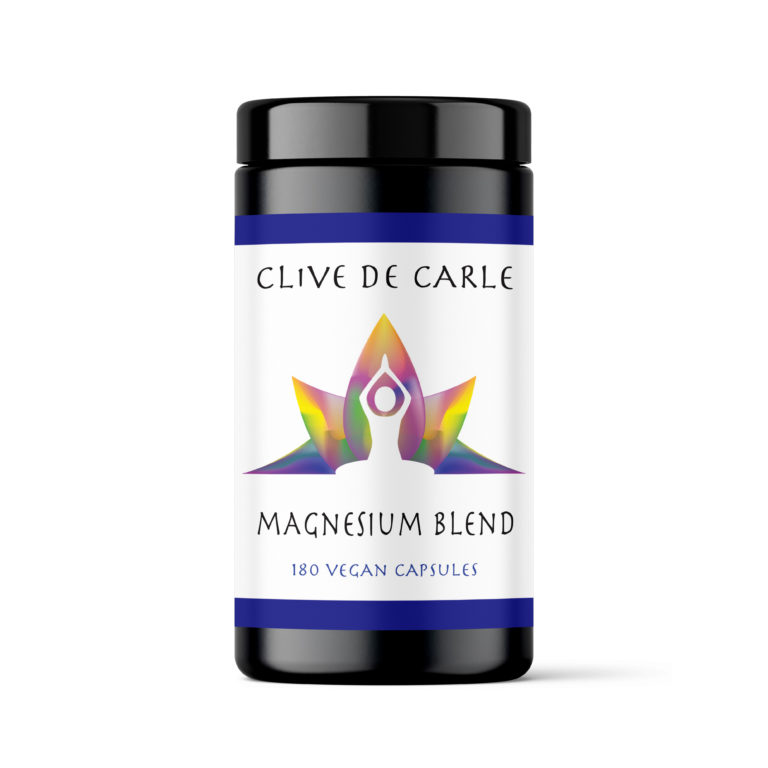
Magnesium Blend – The Most Important Mineral
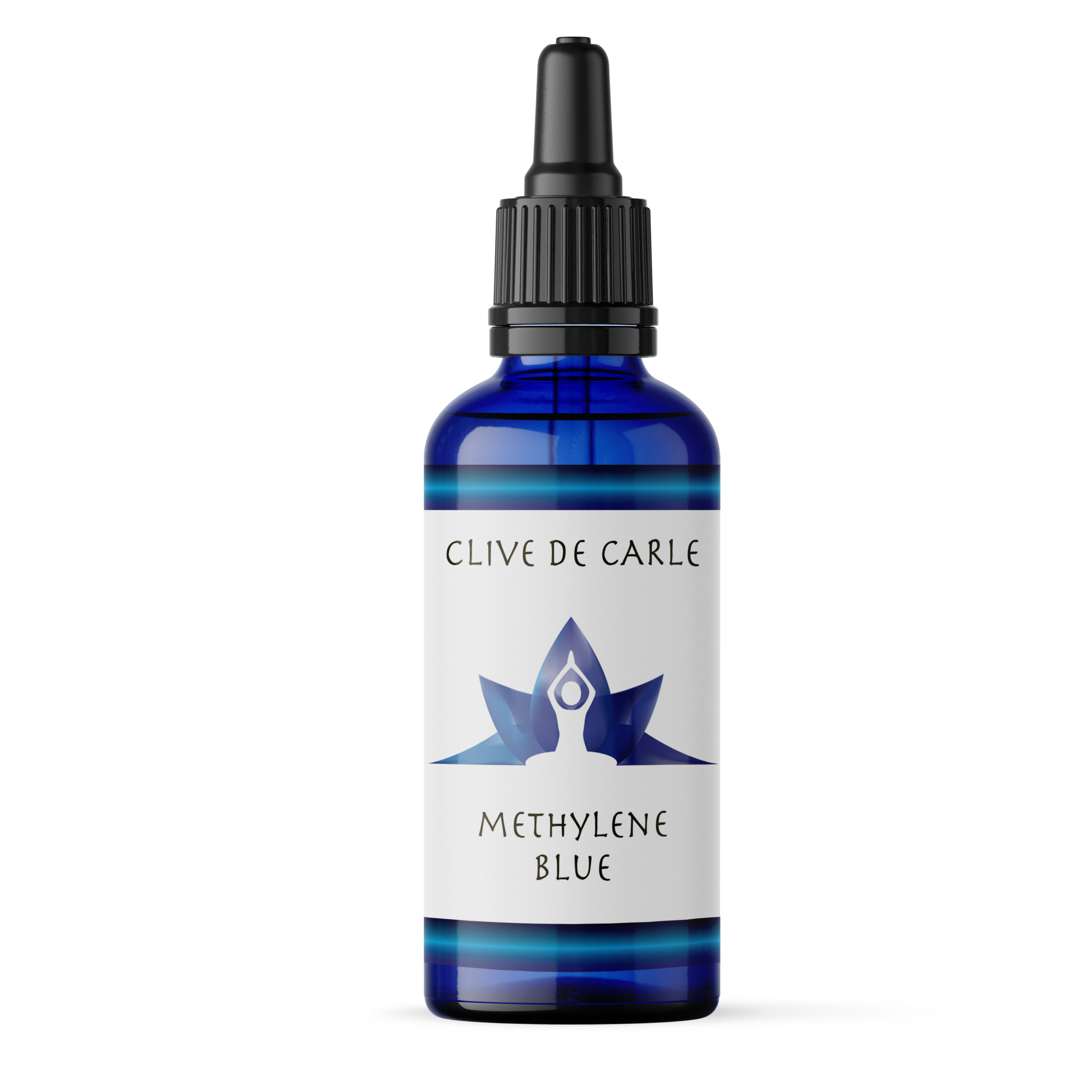
Methylene Blue – Advanced Cellular Chemistry
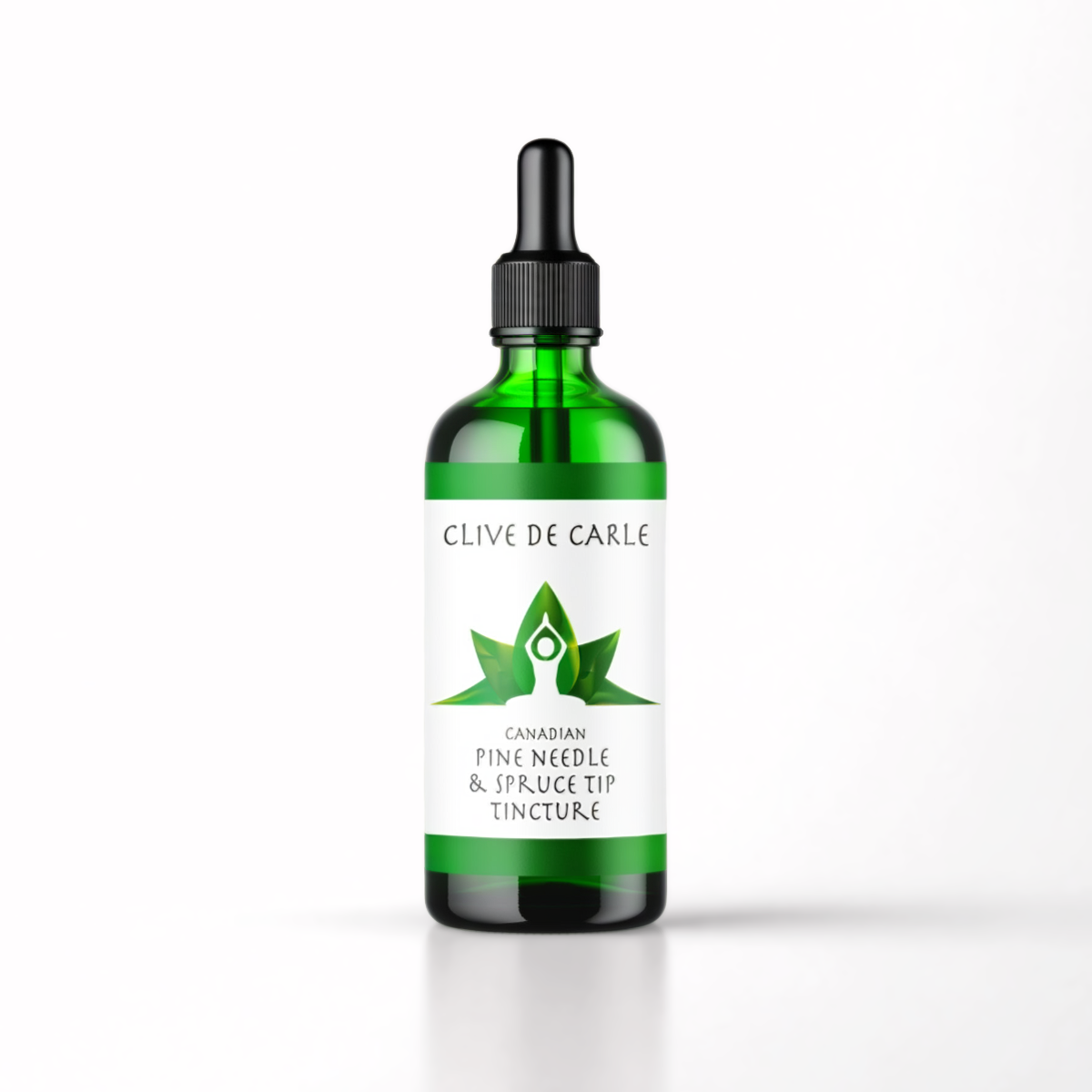
Canadian Pine Needle and Spruce Tip Tincture – Wild Harvested
INNERSTANDING may earn a commission on purchases made through these links. All products are selected based on rigorous educational relevance to our biological research.