All INNERSTANDIN content is for educational purposes only — not medical advice, diagnosis or treatment. Full Disclaimer →

    BACK TO DATABASE
    TAGGED RESEARCH

    #Deficiency

    8TRANSMISSIONS FOUND
    Z
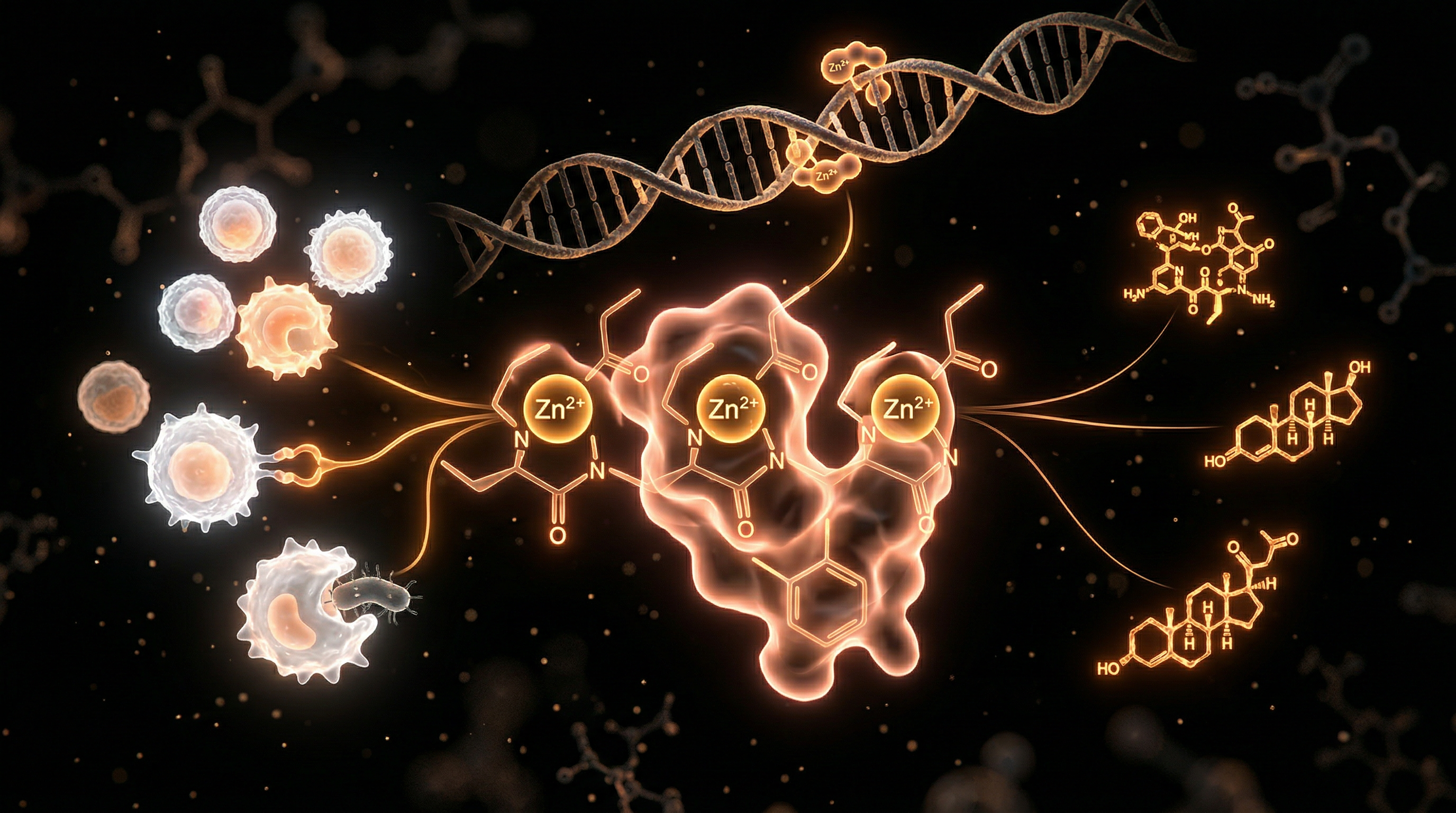
    Scientific illustration for Zinc: The Mineral Most Critical for Immunity, Repair, and Hormones
    Immune System
    14 MIN READ

    Zinc: The Mineral Most Critical for Immunity, Repair, and Hormones

    Zinc is a cofactor for over 300 enzymatic reactions and is required for the structural integrity of over 2,500 transcription factors — including p53, the most important tumour suppressor protein in the human genome — making it arguably the most functionally critical mineral in human biology. It is essential for T-cell maturation and NK cell function (immune surveillance), thymulin production (thymic hormone driving immune education), testosterone biosynthesis, insulin signalling, wound healing, DNA repair, and the function of taste and smell receptors whose loss is now recognised as a clinical sign of zinc deficiency. Soil zinc depletion in UK agricultural land, combined with the phytate content of cereal-heavy diets that blocks zinc absorption, has created widespread subclinical zinc deficiency that manifests as impaired immunity, reduced reproductive function, poor wound healing, and cognitive dysfunction that conventional medicine routinely fails to identify or treat.

    #zinc#immunity
    V
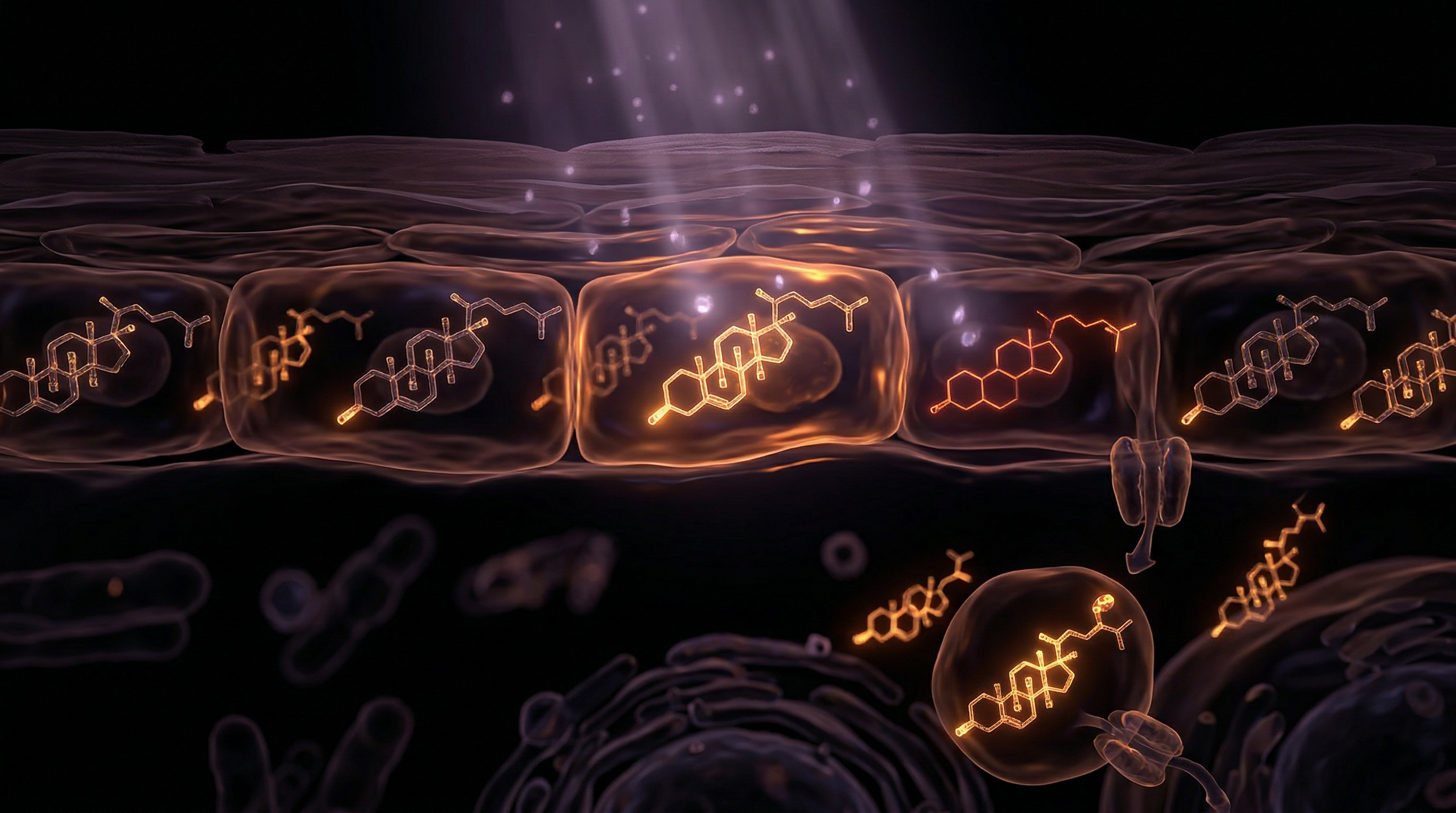
    Scientific illustration for Vitamin D: The Immune Regulator Britain Is Chronically Deficient In
    Immune System
    14 MIN READ

    Vitamin D: The Immune Regulator Britain Is Chronically Deficient In

    Vitamin D3 — technically a secosteroid hormone rather than a vitamin — is synthesised in the skin from 7-dehydrocholesterol upon UVB radiation exposure, converted to 25-hydroxyvitamin D in the liver, and then to the active 1,25-dihydroxyvitamin D (calcitriol) in the kidney and immune tissues, where it regulates the expression of over 2,000 genes involved in immune modulation, antimicrobial peptide production, calcium homeostasis, cancer suppression, and cardiovascular protection. An estimated 1 in 5 UK adults are deficient in vitamin D — a figure that rises dramatically in winter months and among darker-skinned individuals due to the UK's northern latitude and insufficient sunlight — creating widespread immune dysregulation, increased susceptibility to infection, elevated cancer risk, and the autoimmune conditions that optimal vitamin D status is documented to prevent. The UK government's recommendation of 400 IU daily is orders of magnitude below the therapeutic levels demonstrated in clinical research.

    #vitamin D#immune function