The Pineal Gland: Fluoride, Calcification & Suppressed Melatonin
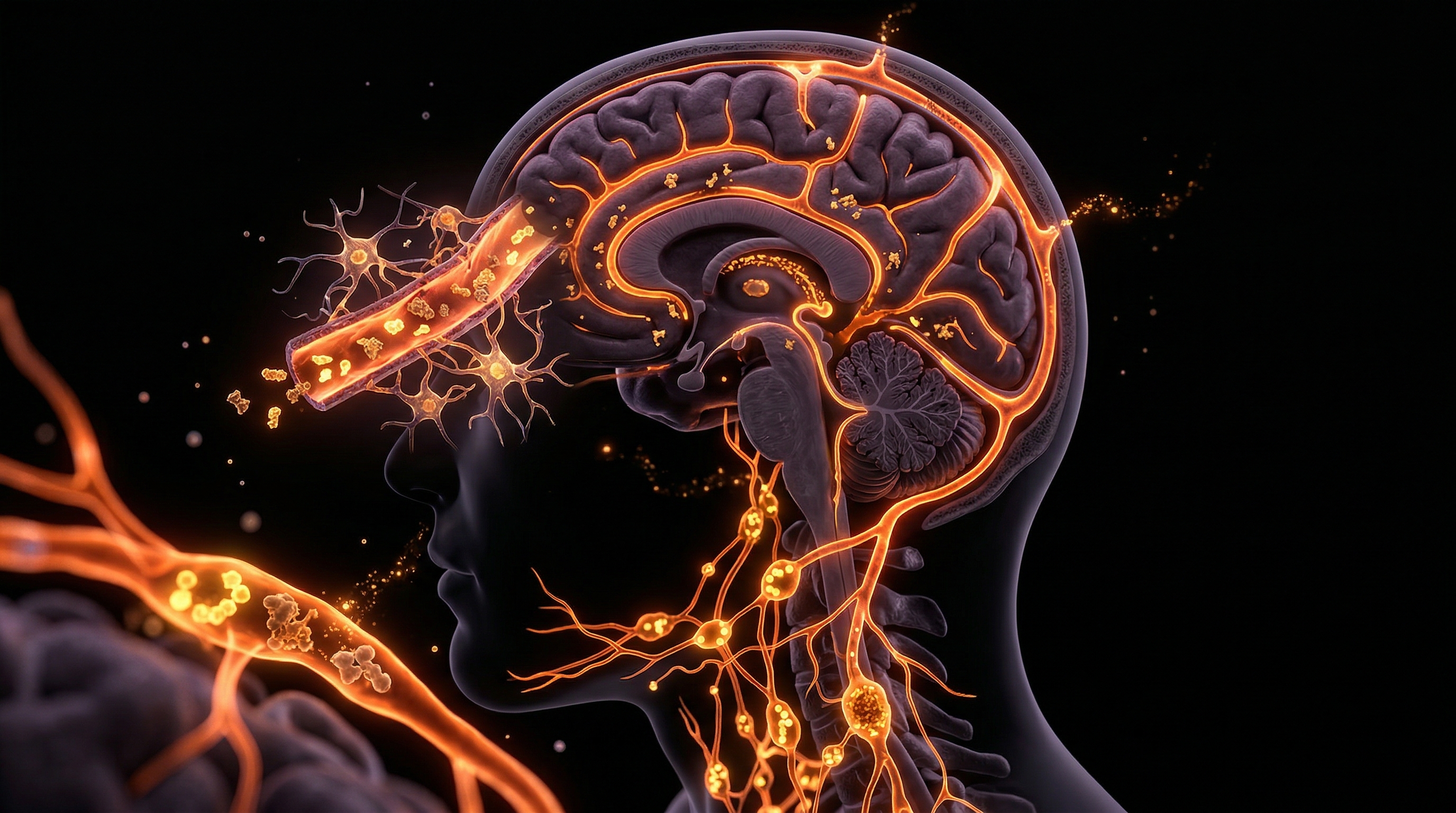
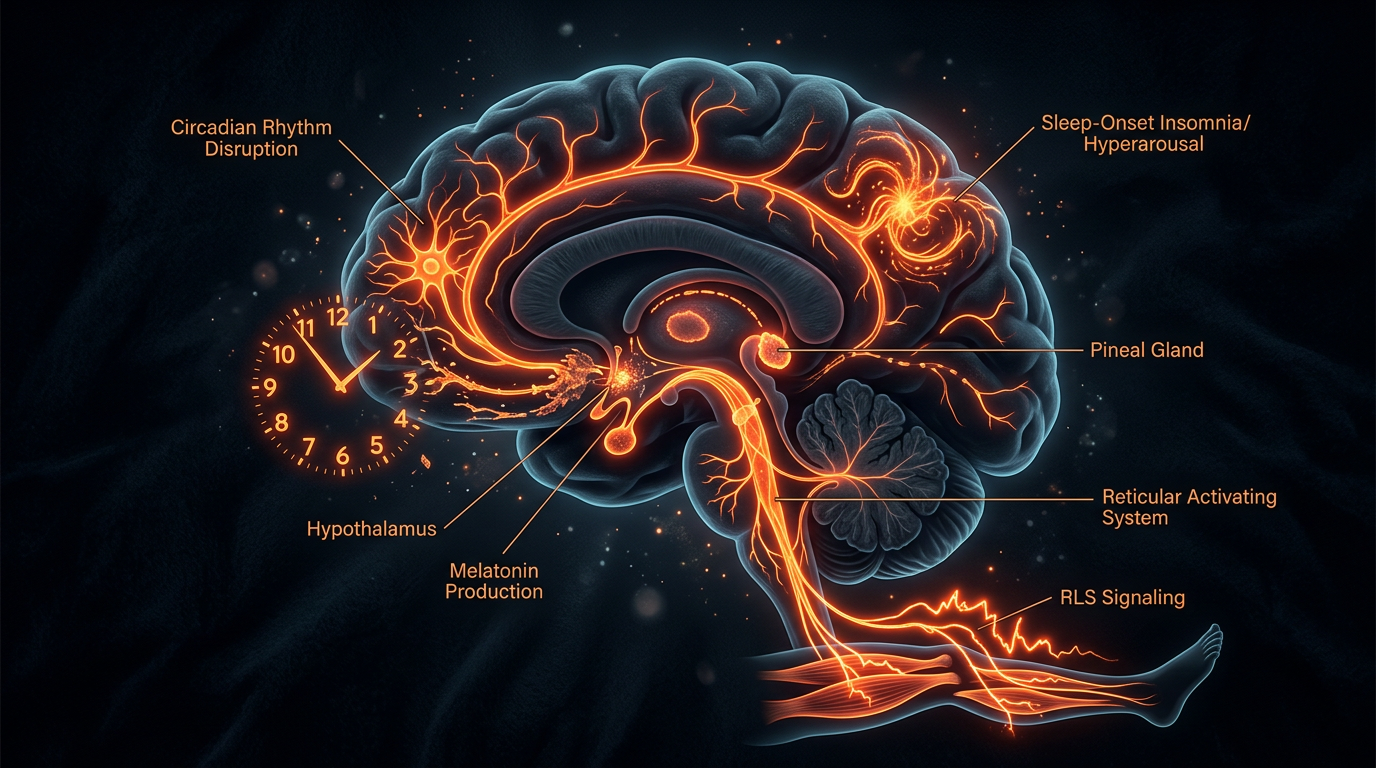
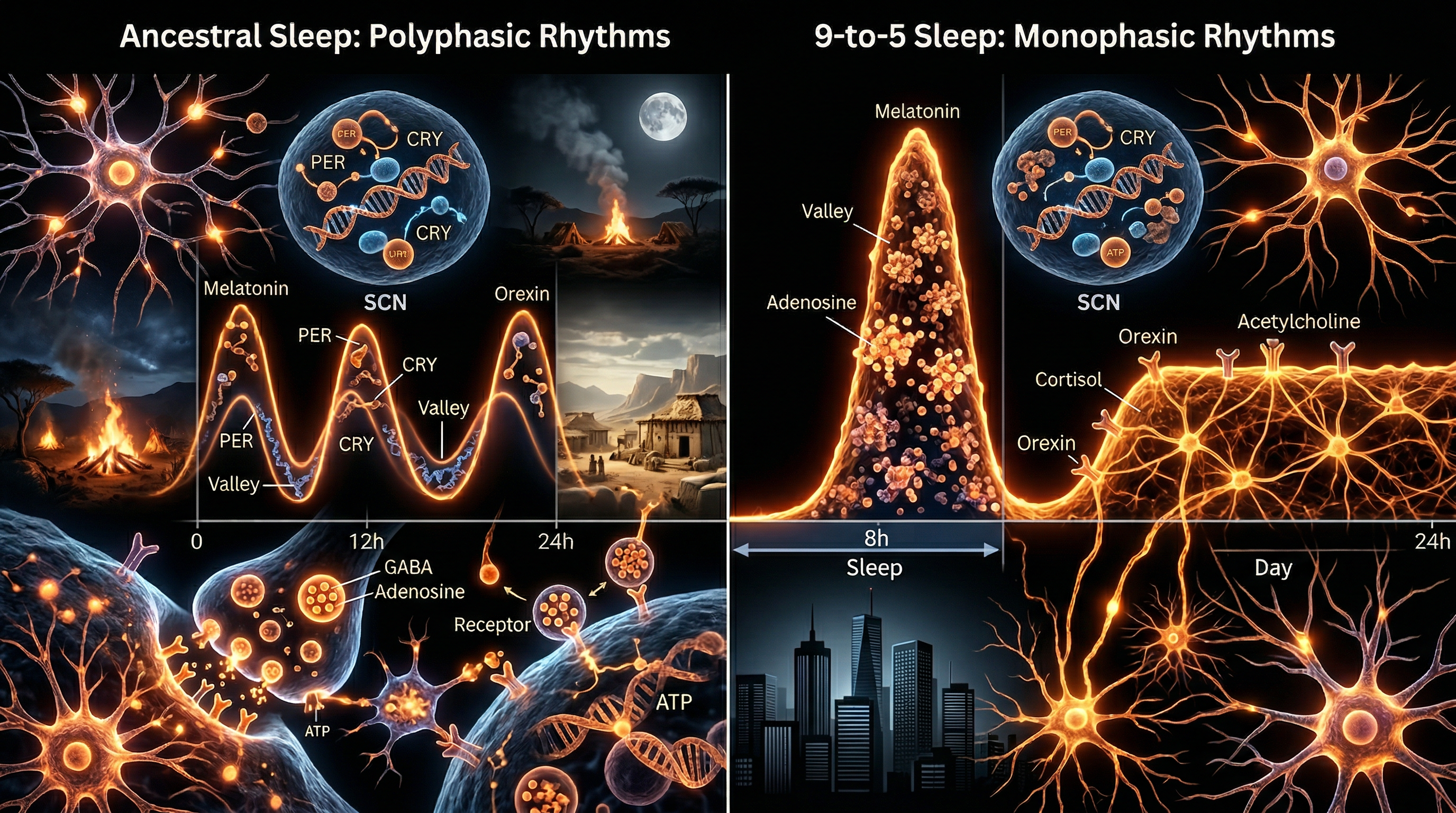
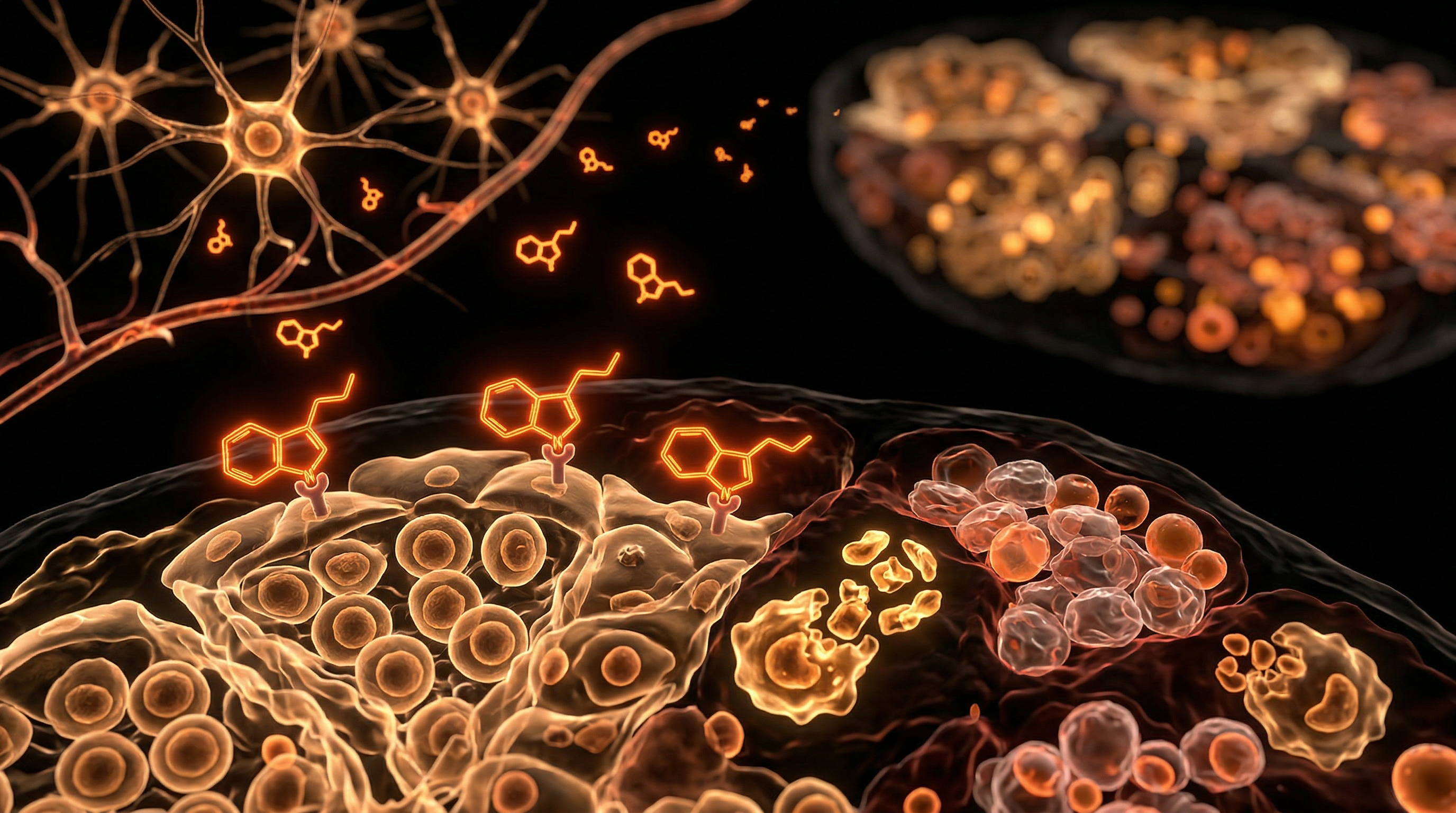
The pineal gland — a pea-sized neuroendocrine structure in the geometric centre of the brain, lacking a blood-brain barrier and therefore uniquely exposed to blood-borne chemicals — synthesises melatonin from serotonin in a light-regulated process governed by the suprachiasmatic nucleus, producing the daily melatonin surge that regulates the circadian rhythm, suppresses tumour cell proliferation, stimulates natural killer cell activity, acts as a potent antioxidant in neural tissue, and maintains the temporal architecture of every physiological process. Fluoride's unique affinity for calcium-rich calcifying tissues causes its accumulation in the pineal gland at concentrations that can reach 300 times those found in blood plasma, progressively calcifying the gland and suppressing its melatonin output — a state now so ubiquitous in the UK population that calcified pineal glands are found on routine CT scans and normalised without consideration of biological consequence. The oncological, immunological, neurological, and sleep implications of widespread pineal calcification remain almost entirely unaddressed in mainstream medicine.