
CHRONIC PAIN & PAIN SCIENCE
Pain Is a Brain Output. Not a Tissue Signal.
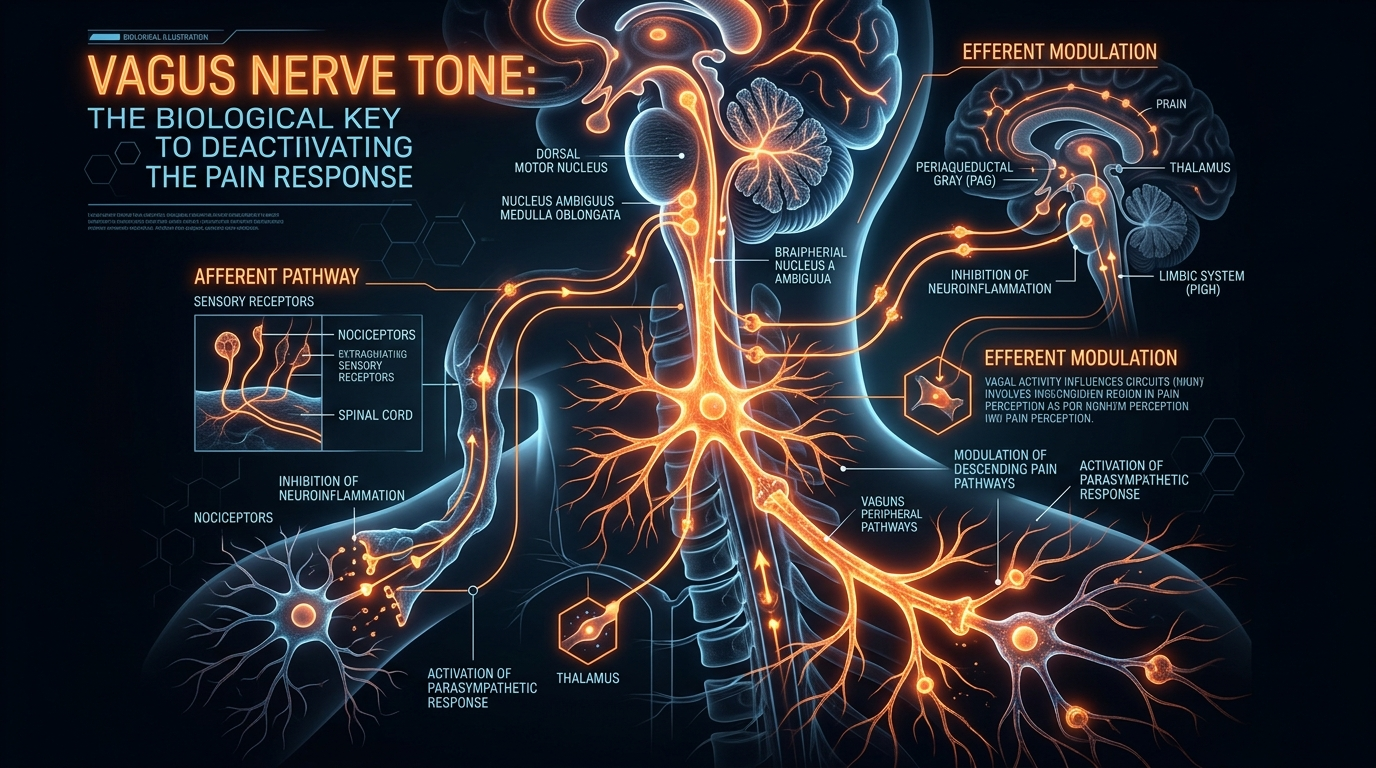
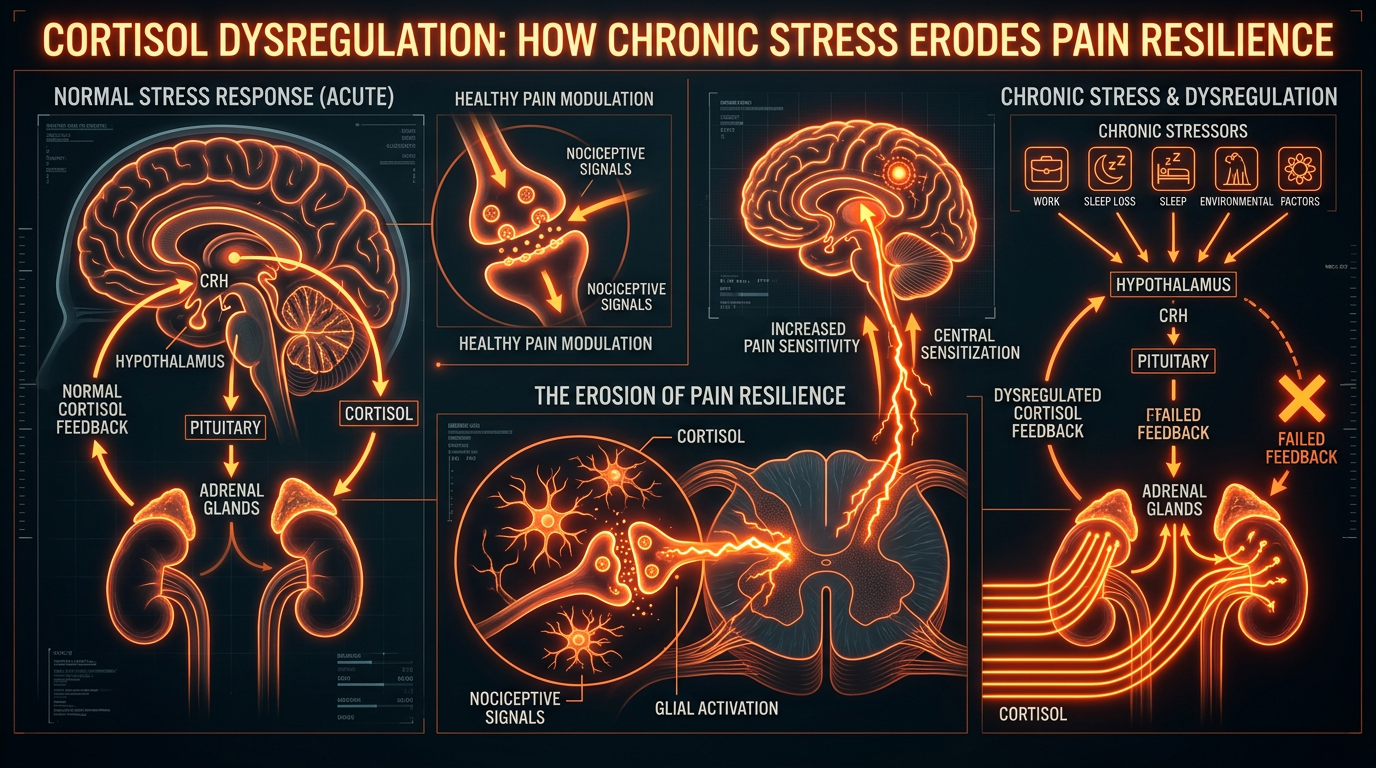
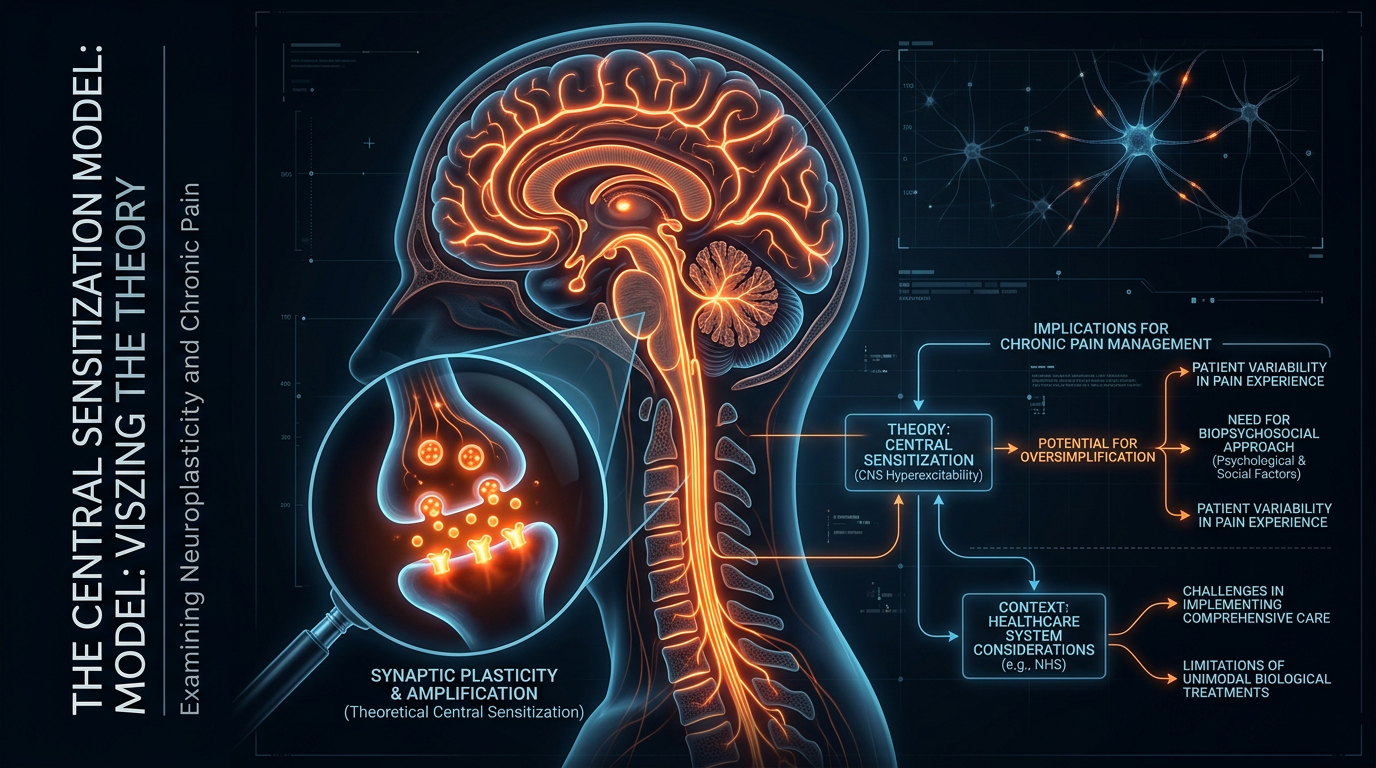
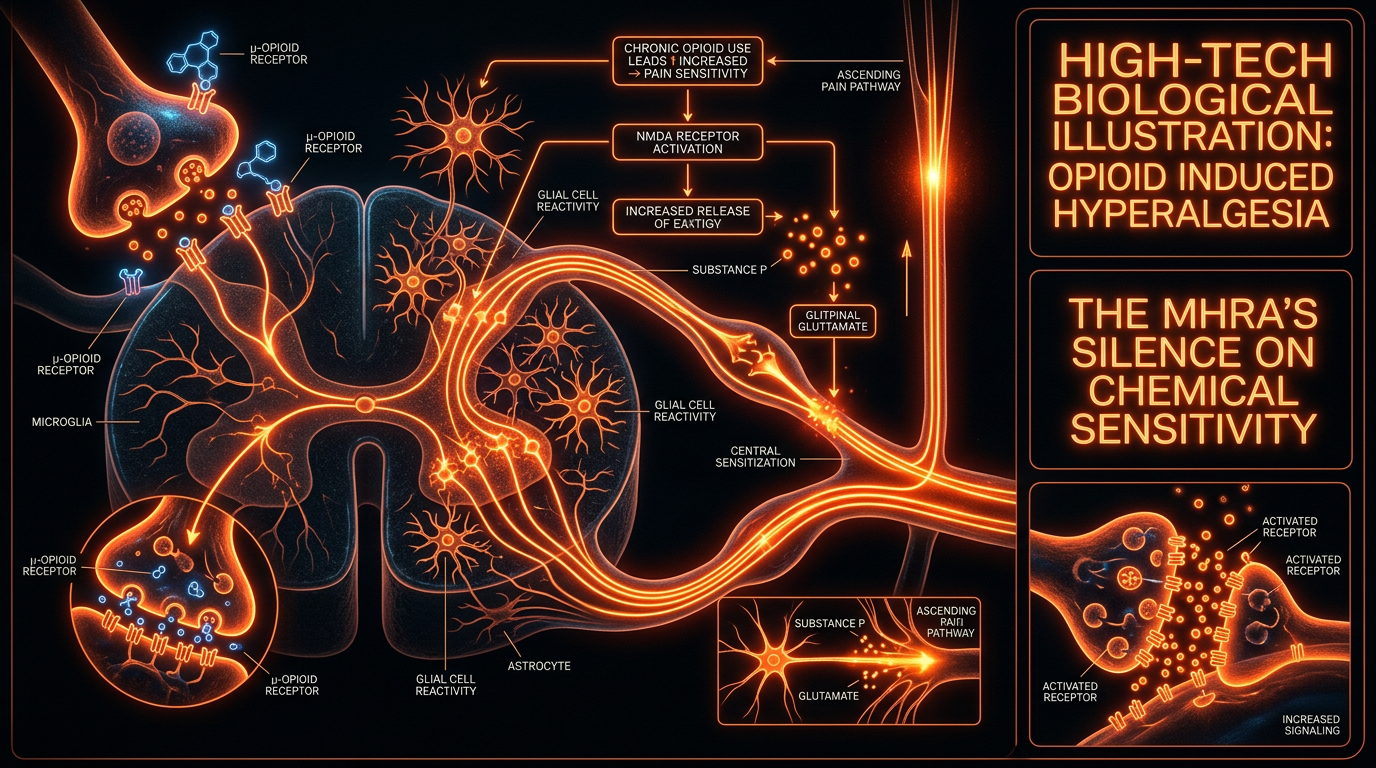
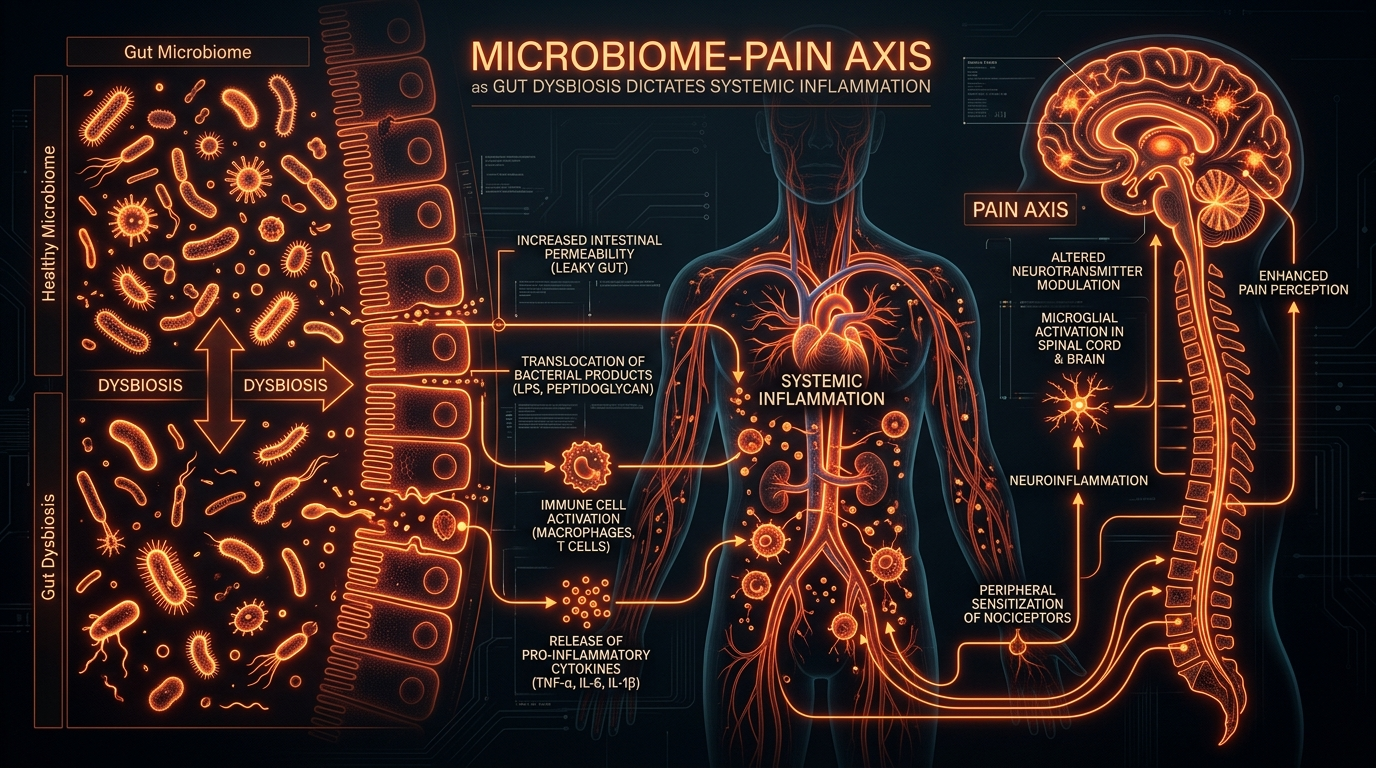
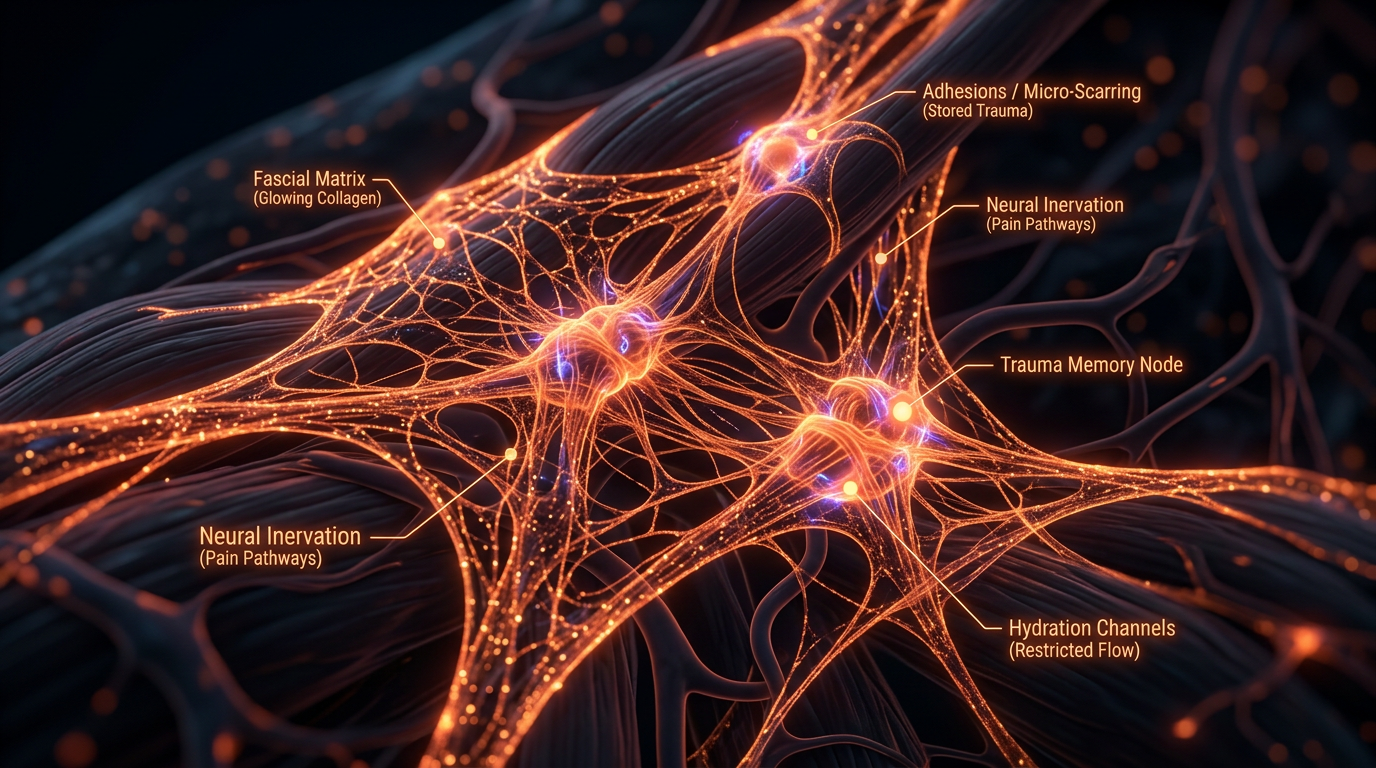
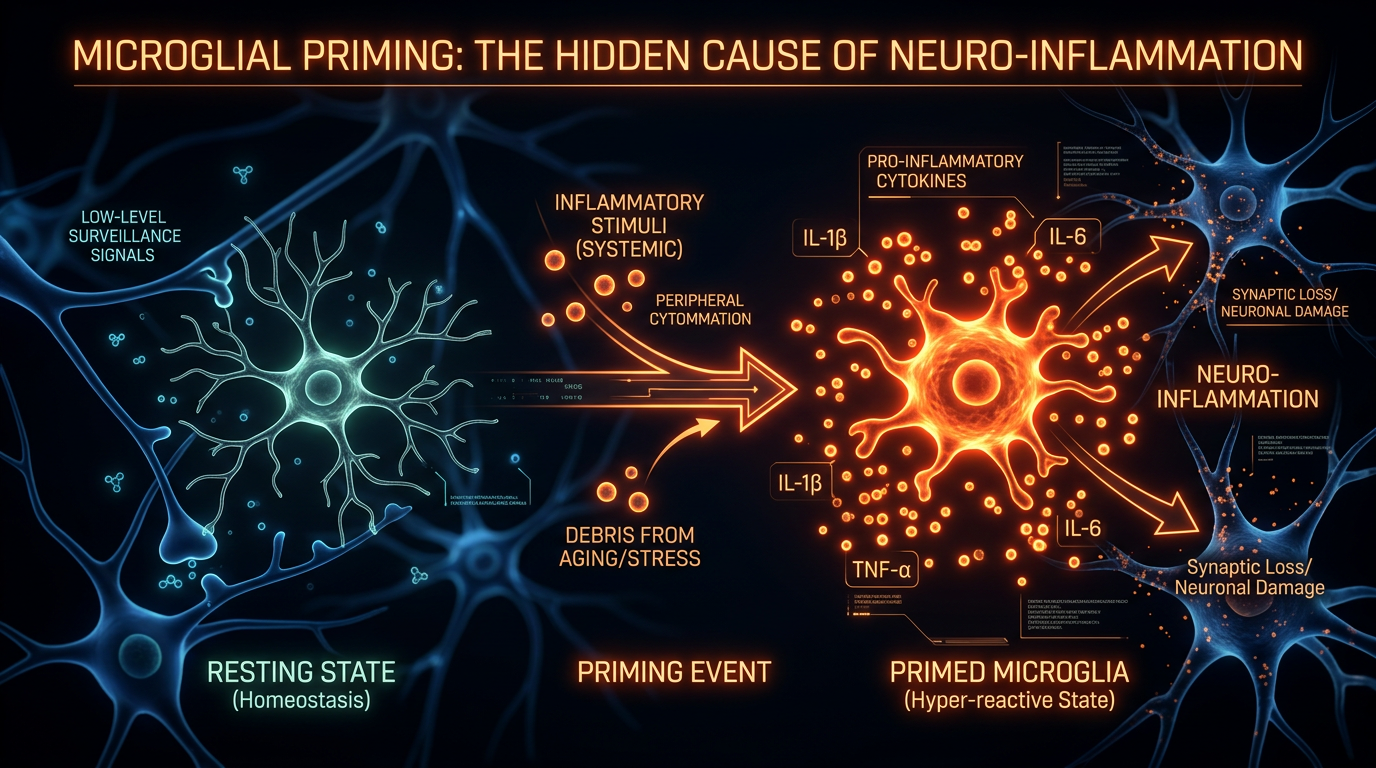
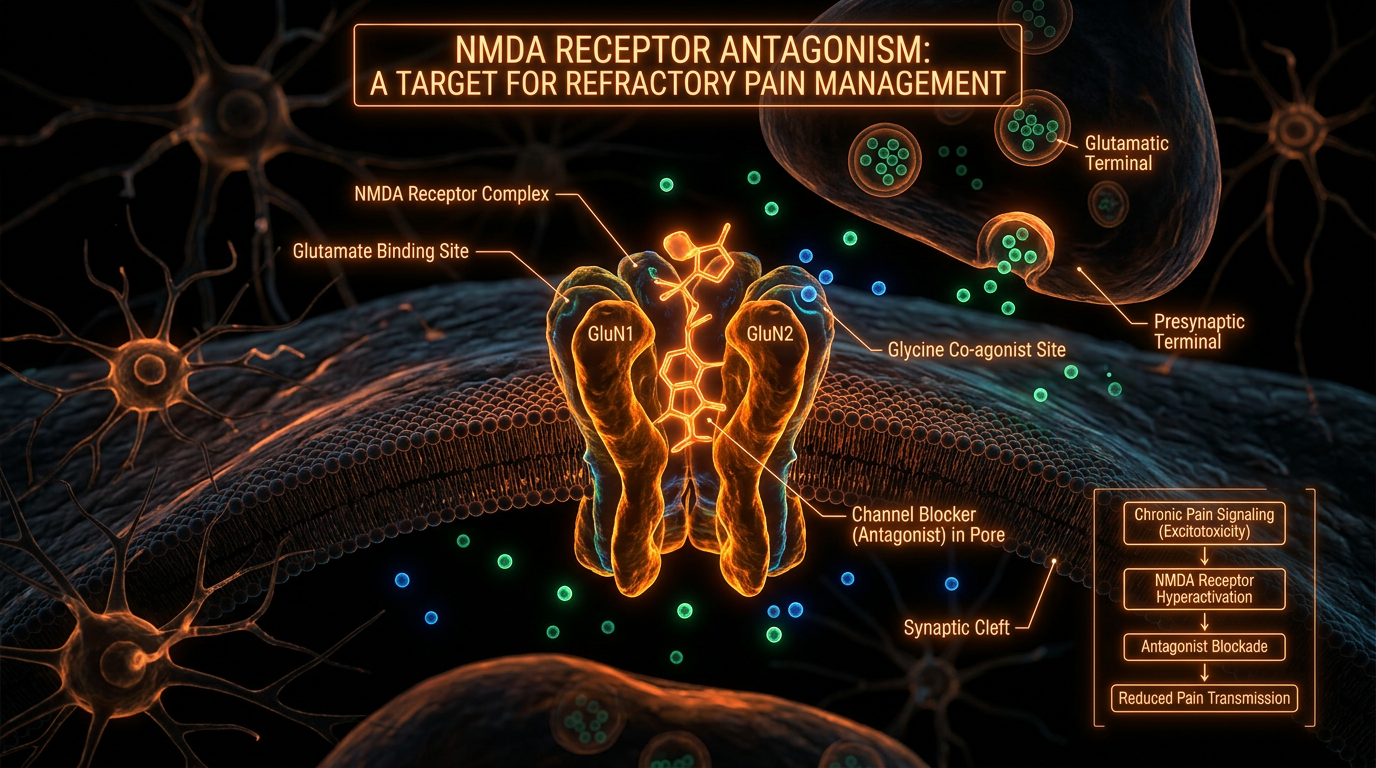
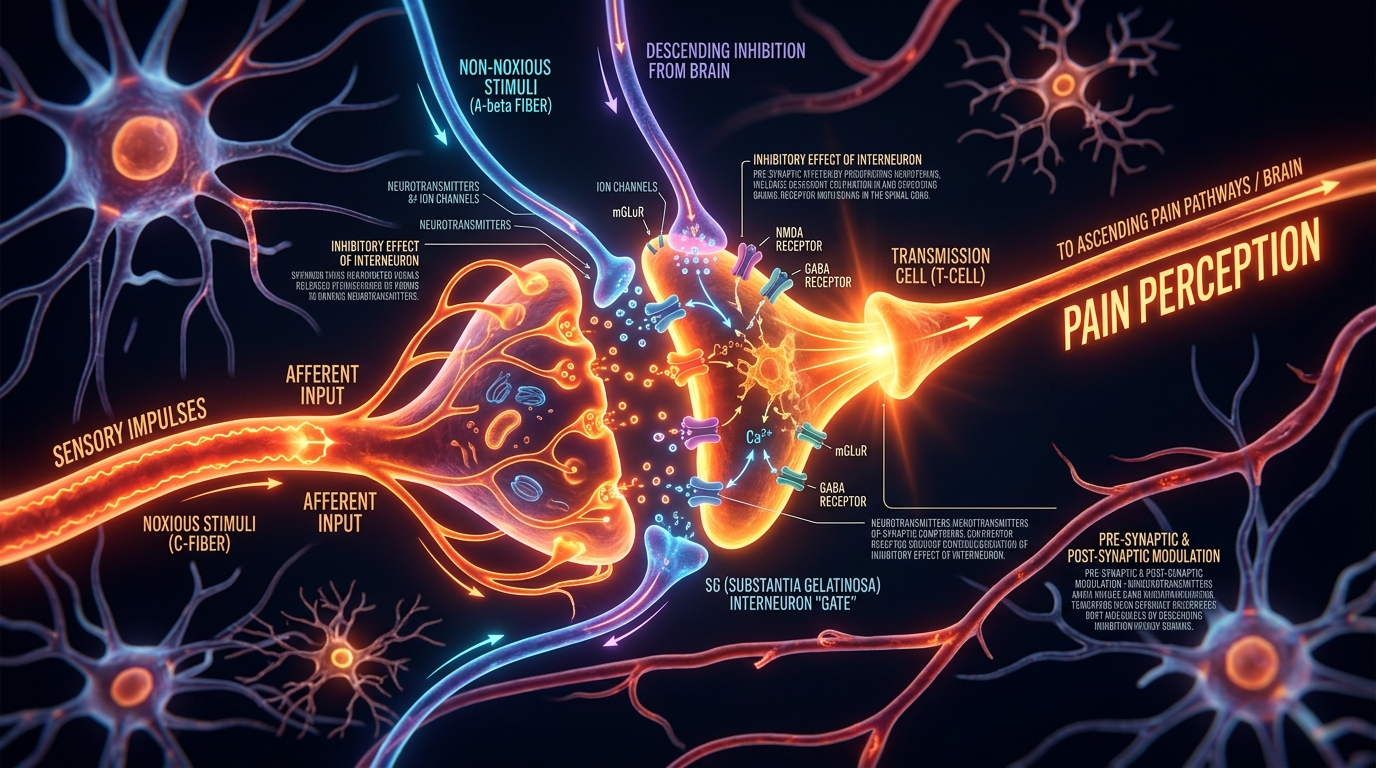
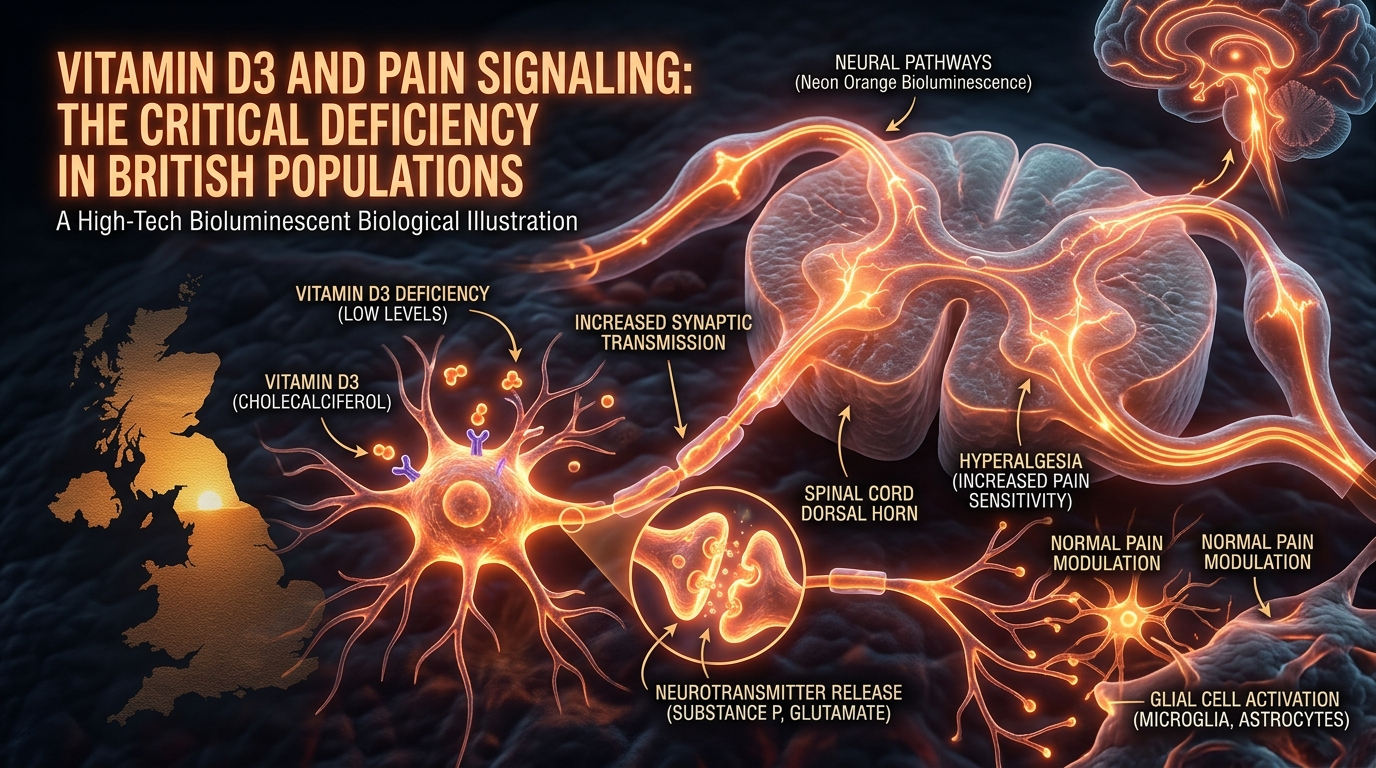
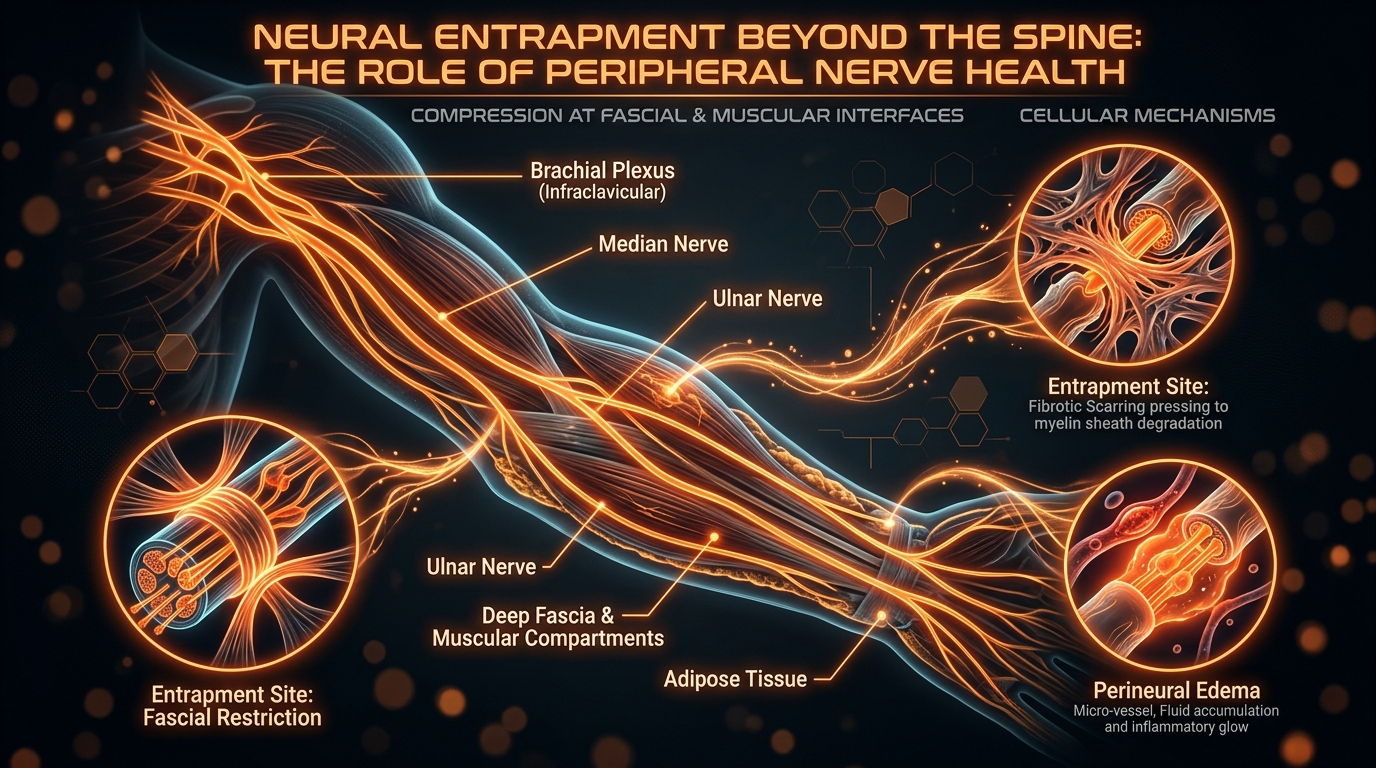
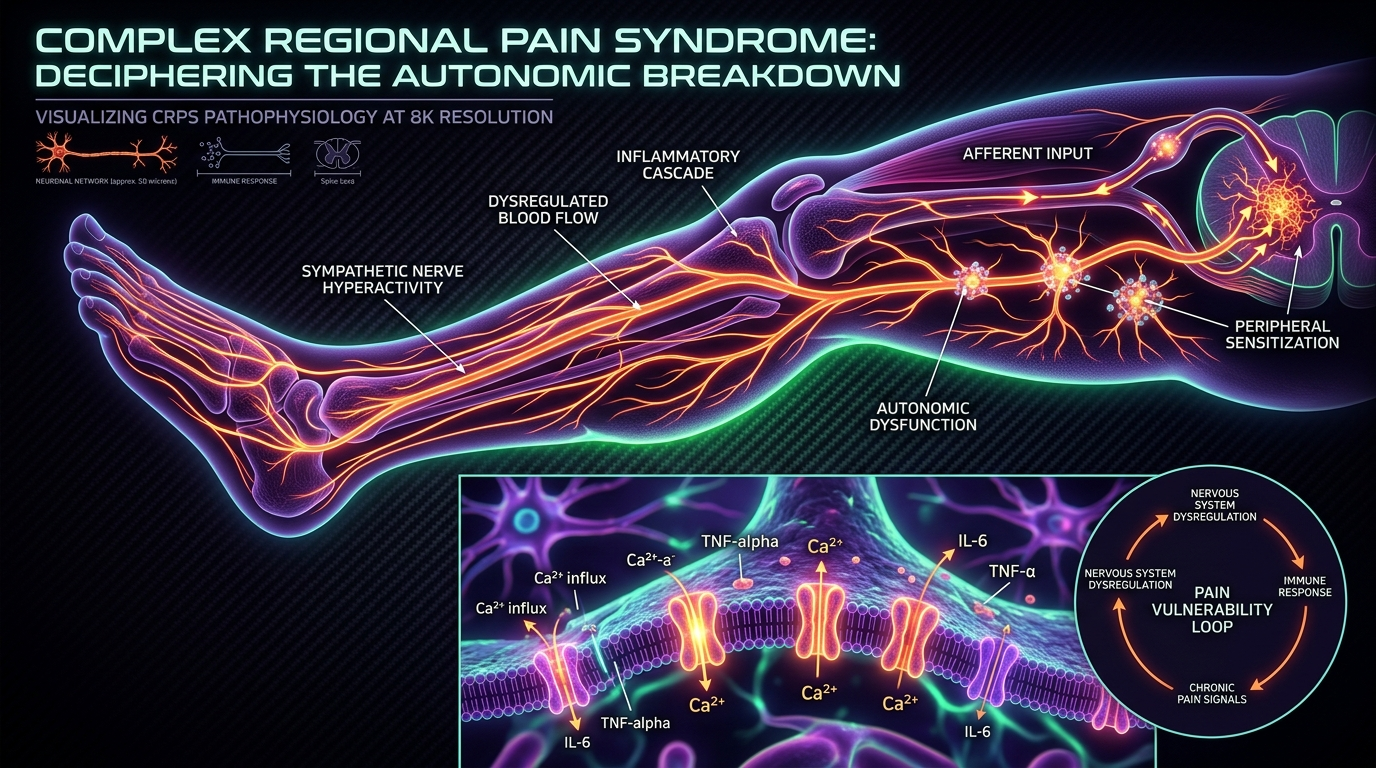
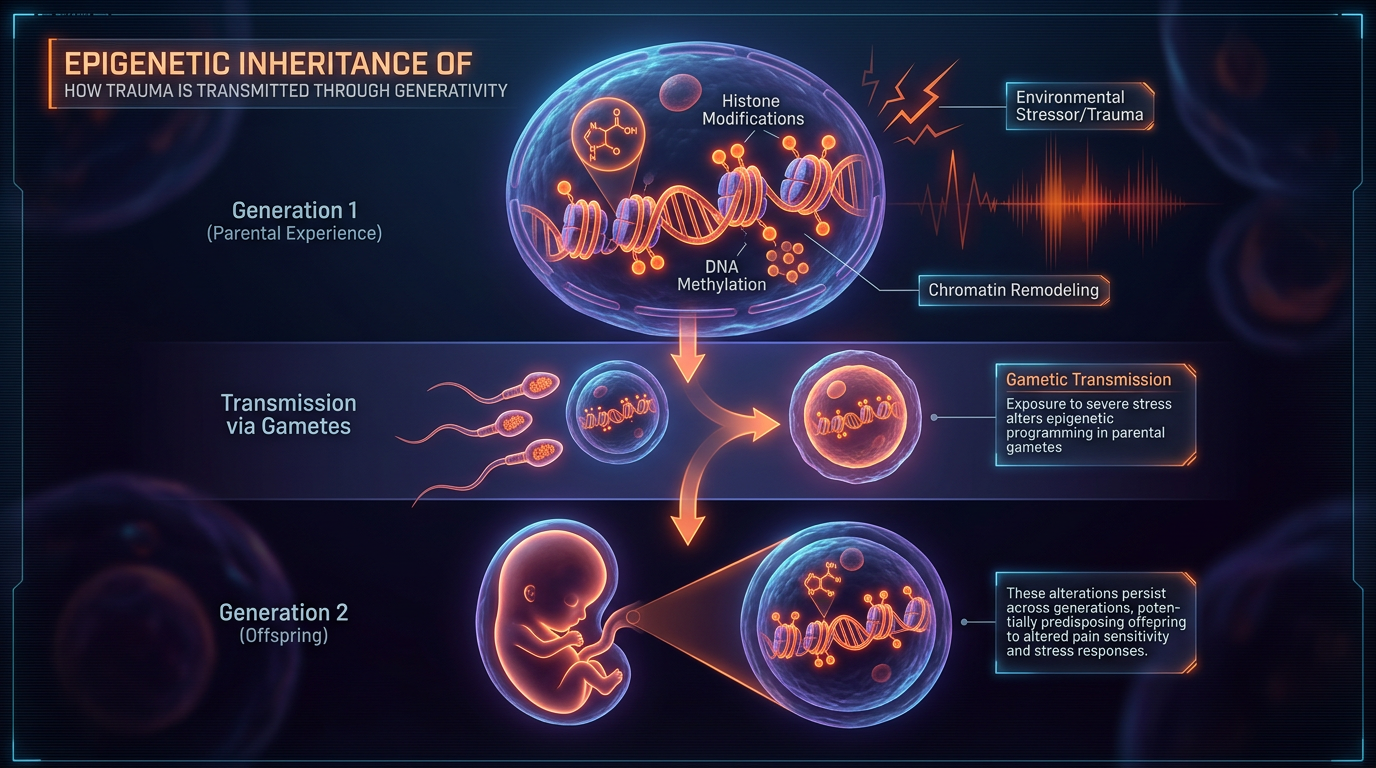
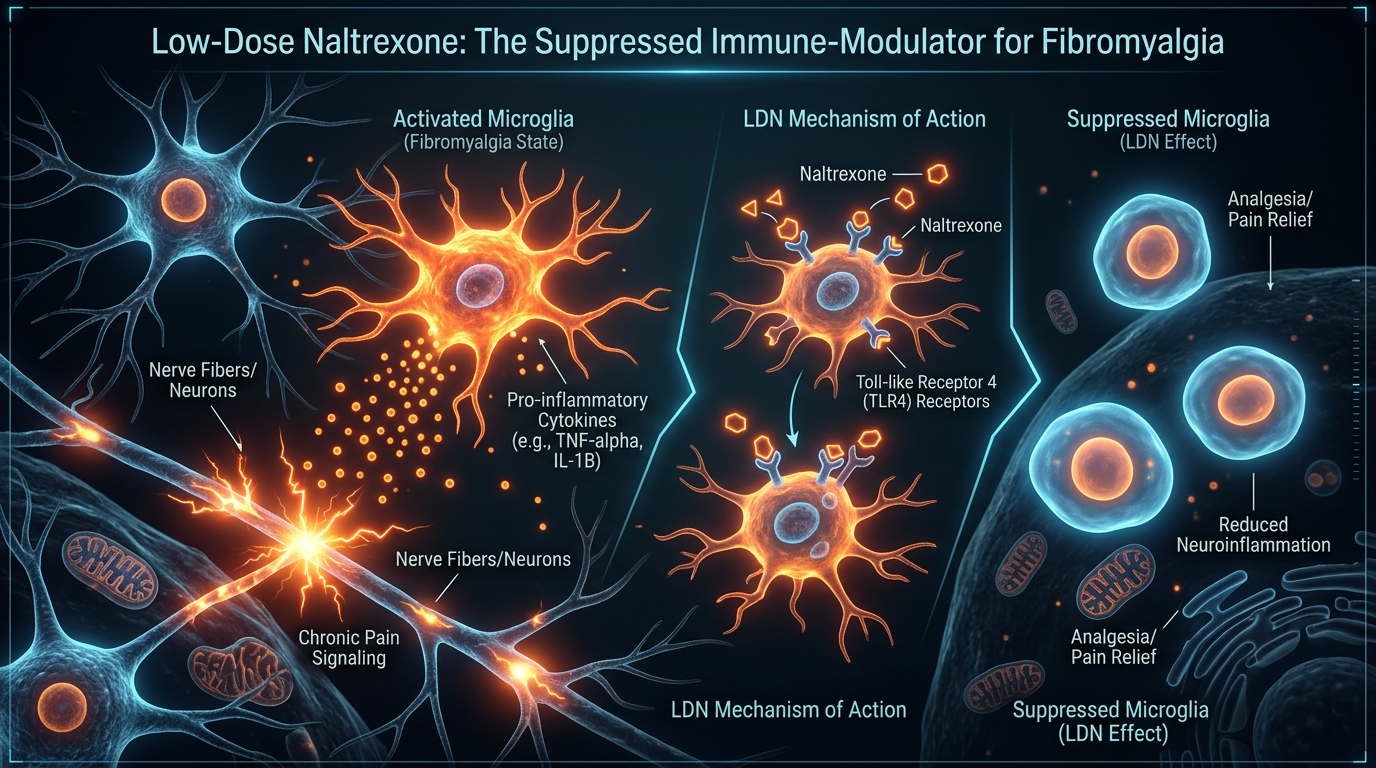
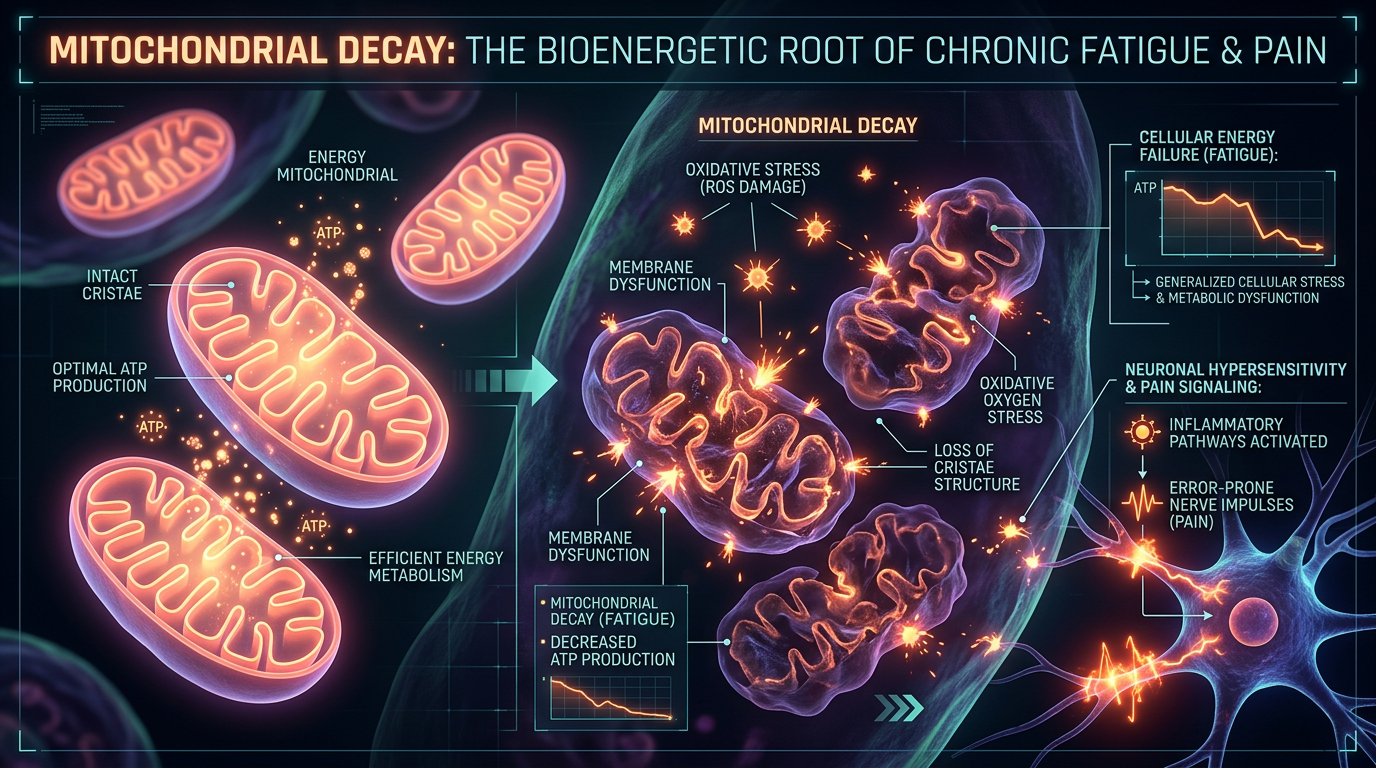
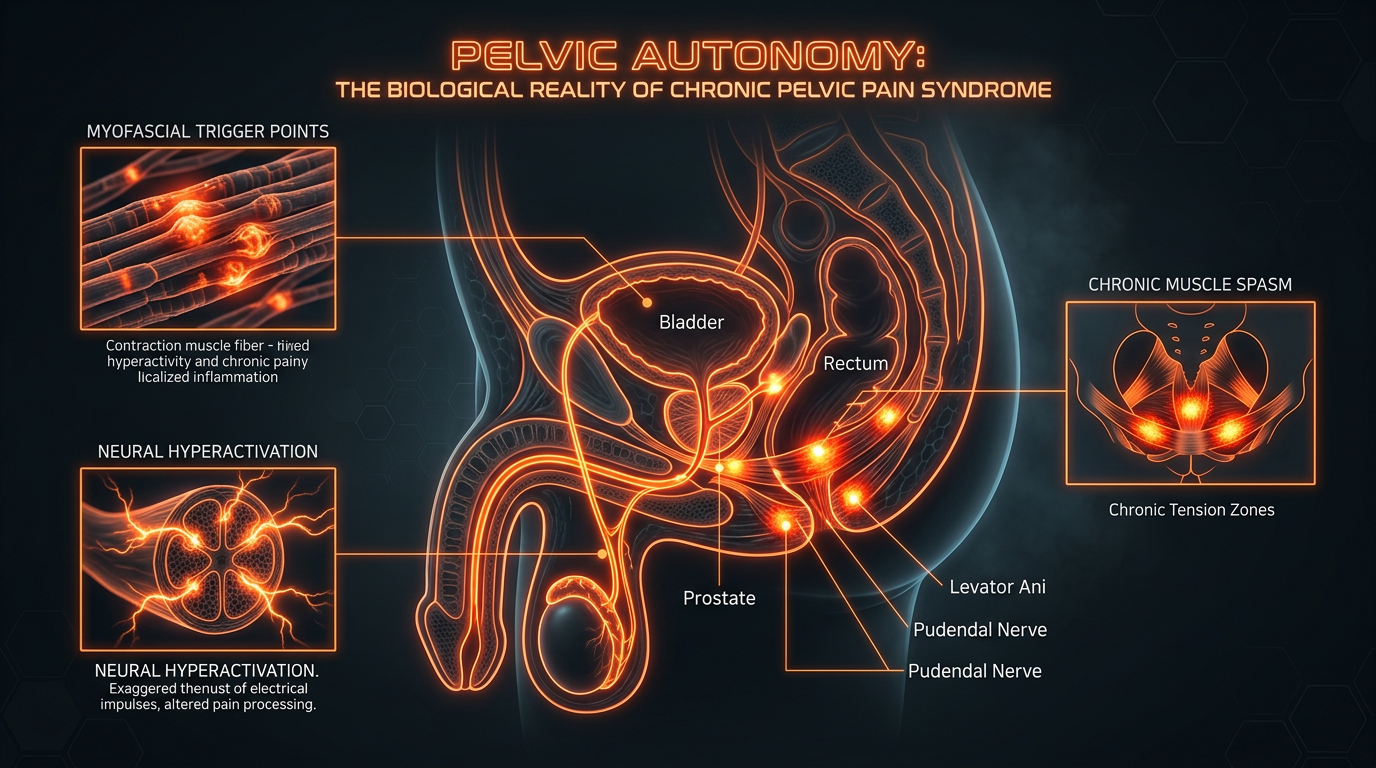
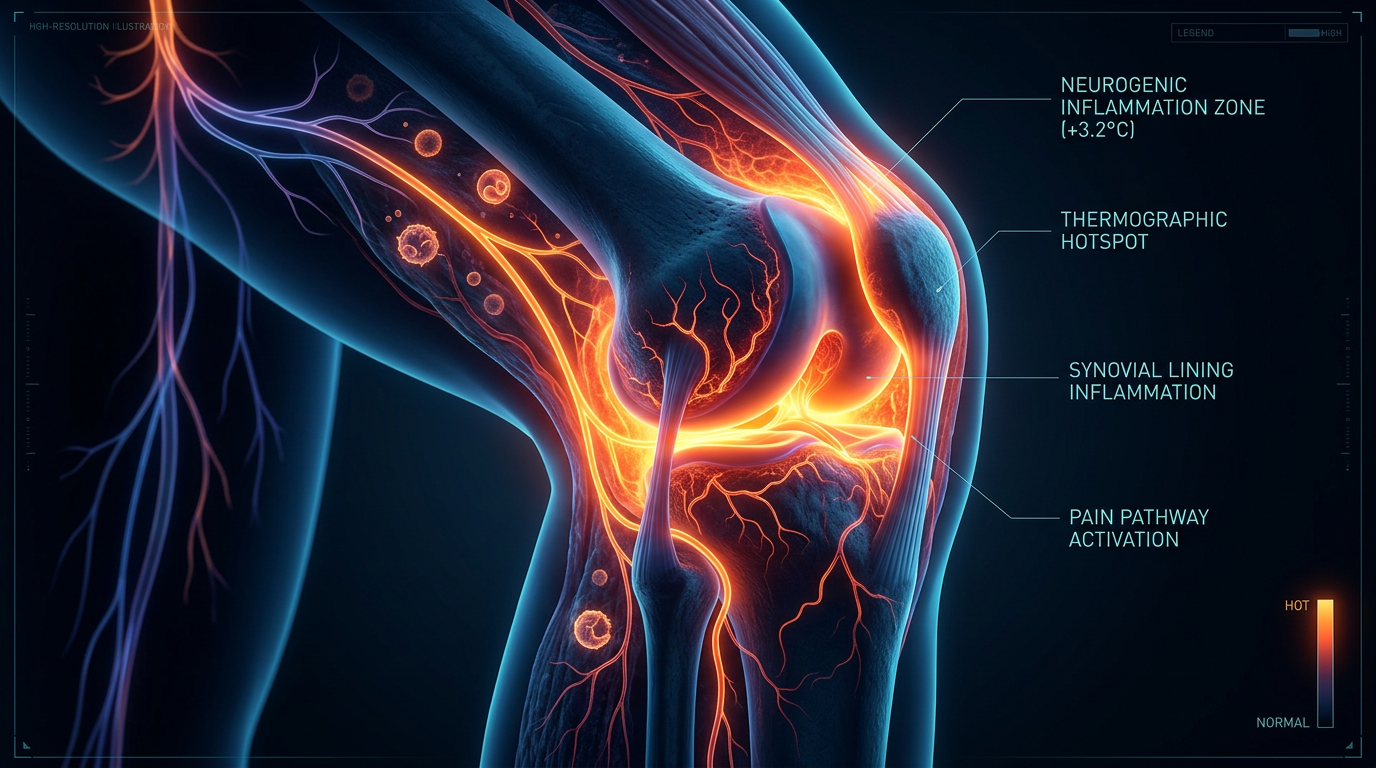
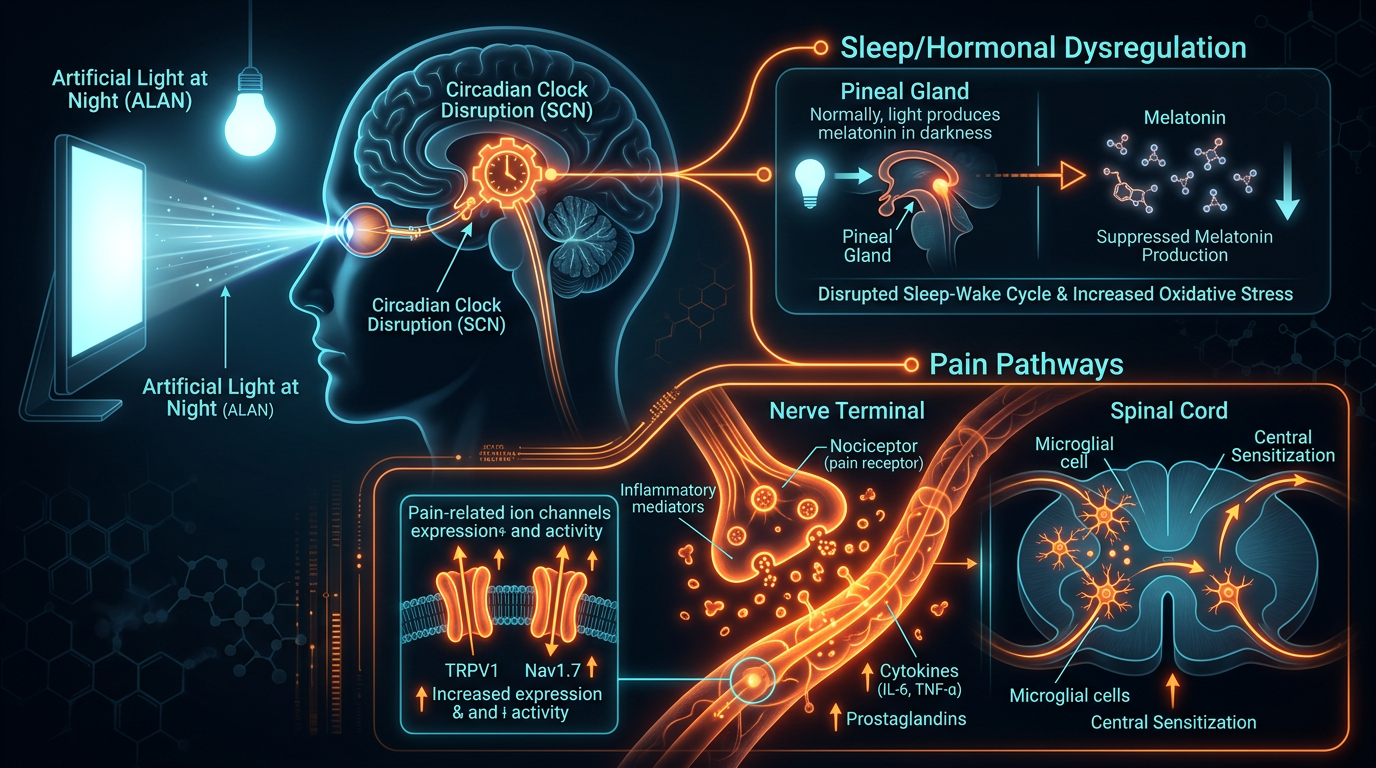
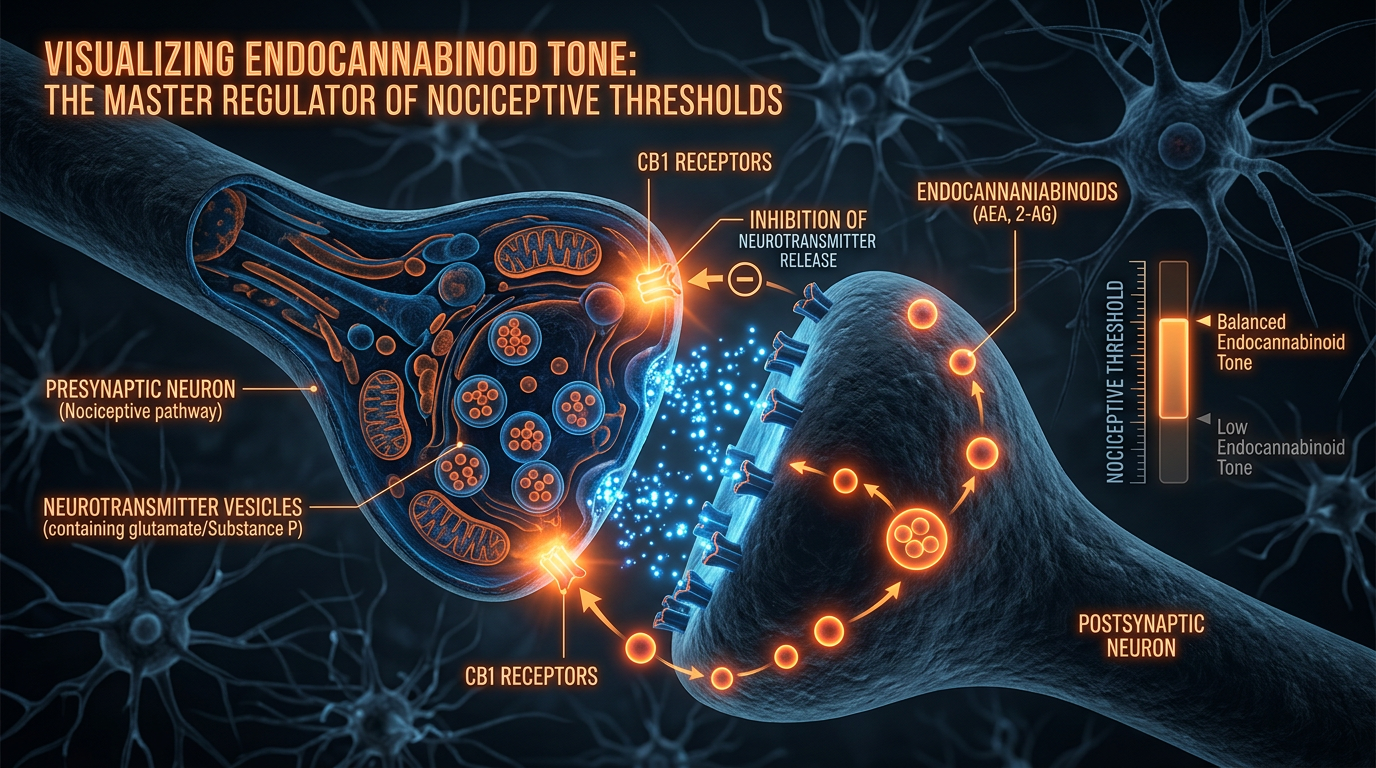
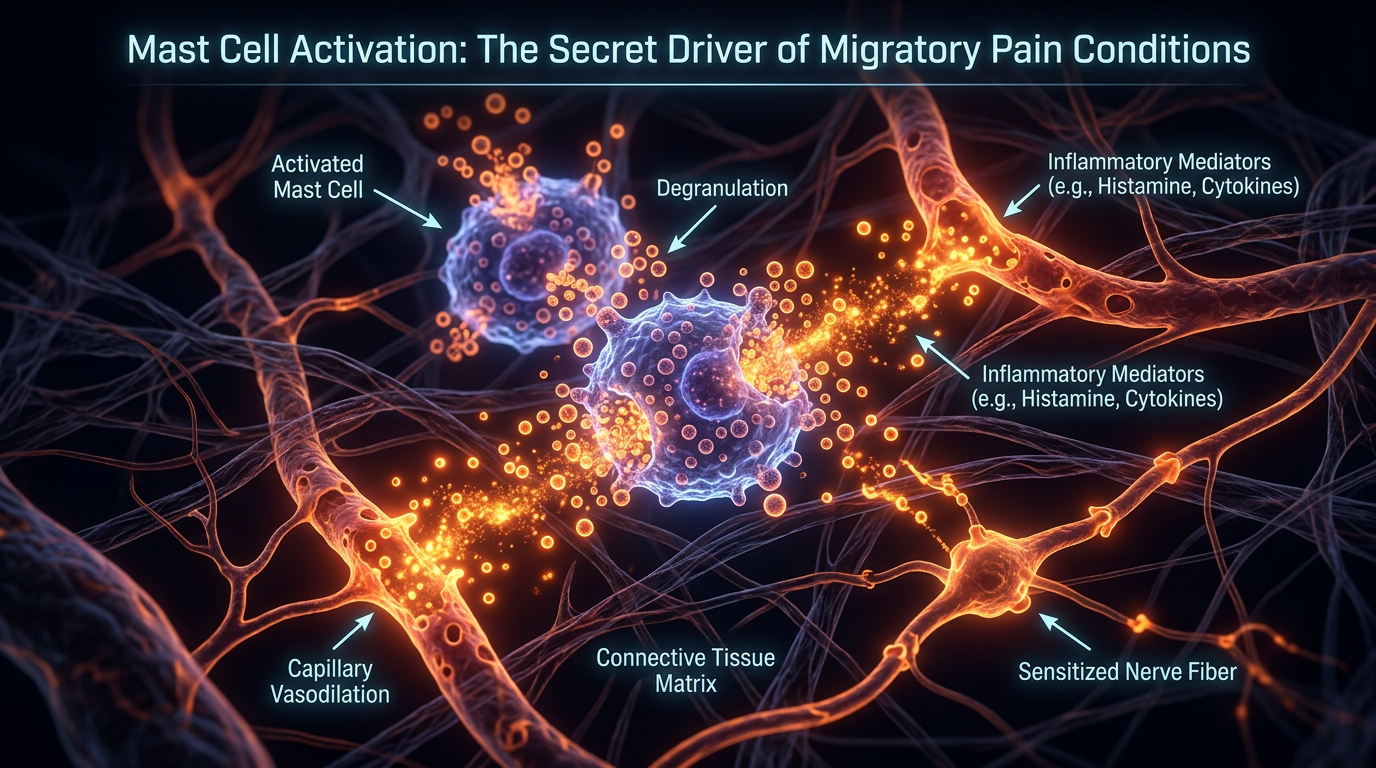
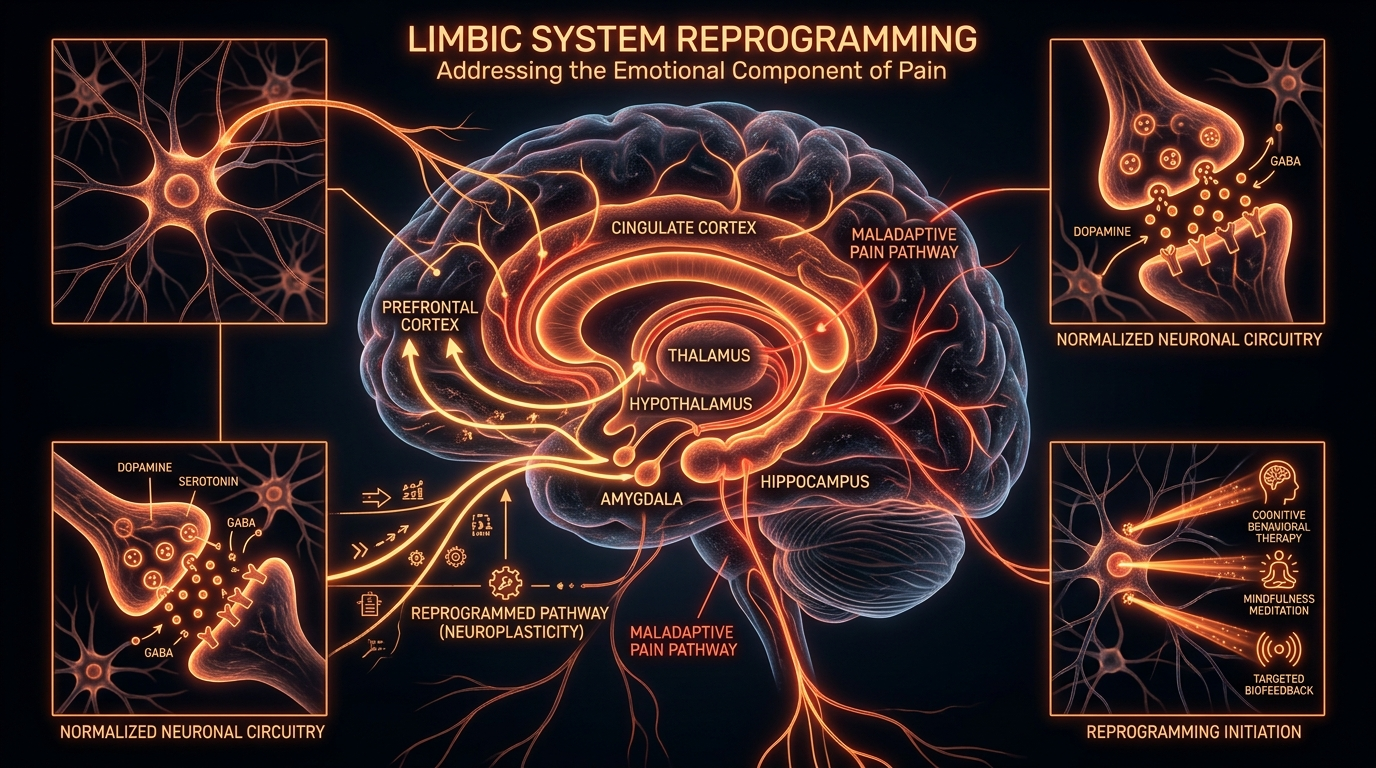
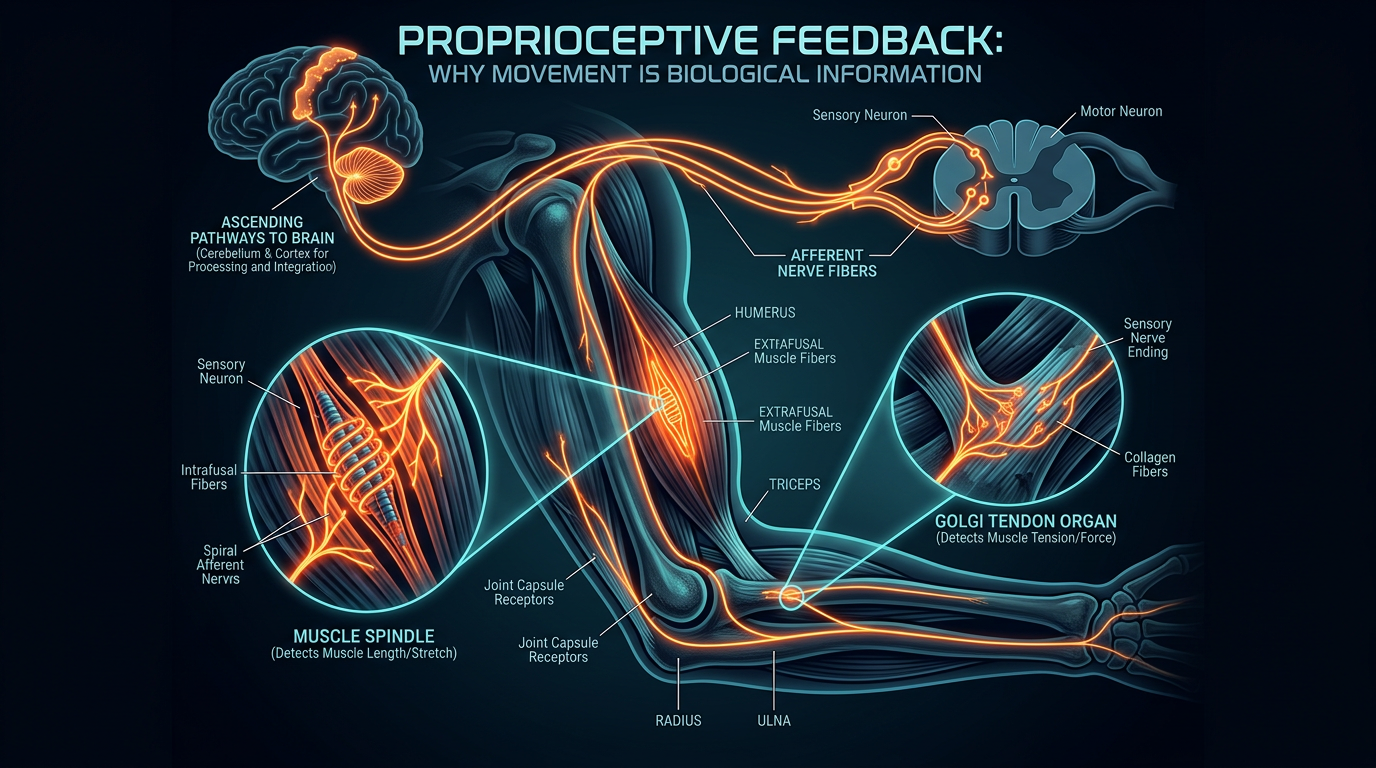
The neuroscience of chronic pain has undergone a paradigm shift that mainstream medicine has been extraordinarily slow to incorporate into clinical practice. Pain is not simply a signal transmitted from damaged tissue to the brain — it is a protective output generated by the brain when it perceives threat, regardless of whether tissue damage is present or absent. Central sensitisation — a state of amplified neural signalling in the spinal cord and brain — explains the disproportionate, widespread, and often migrating pain of fibromyalgia, complex regional pain syndrome, and central sensitisation syndrome. In the UK, over 28 million adults live with chronic pain — roughly half the adult population — yet the dominant treatment paradigm remains opioid pharmacology, which does not address the central nervous system changes driving pain chronification and which creates its own epidemic of dependency and opioid-induced hyperalgesia. Neuroinflammation, gut dysbiosis, trauma, sleep deprivation, and nutritional deficiencies are all measurable drivers of central sensitisation that functional approaches can address.
Keep this domain close
Follow Chronic Pain & Pain Science to see new published articles in My INNERSTANDIN.
LATEST RESEARCH
In-depth analysis of biological systems and environmental factors.
THE ARSENAL
Based on Chronic Pain & Pain Science content — products curated by our research team for educational relevance and biological support.

Magnesium Blend – The Most Important Mineral

Methylene Blue – Advanced Cellular Chemistry

Canadian Pine Needle and Spruce Tip Tincture – Wild Harvested
INNERSTANDING may earn a commission on purchases made through these links. All products are selected based on rigorous educational relevance to our biological research.